Stainless Steel Export Packing for Coil, Plate, Pipe and Bar
A practical stainless steel export packing guide for coil, plate, pipe and bar, covering surface protection, moisture control, traceability and container loading.
In This Guide
- Introduction
- Quick answer: packing requirements by product form
- Four layers of a workable ocean-freight packing specification
- Stainless steel coil packing: protect the eye, edges and identity
- Stainless steel sheet and plate packing: support the stack and preserve the finish
- Stainless steel pipe packing: define bundle and end requirements
- Stainless steel bar packing: length and surface change the method
- 20ft or 40ft container: confirm length, payload and handling
- Moisture planning for Southeast Asia and Middle East routes
- Keep MTC, heat number, labels and packing list connected
- Pre-shipment packing and loading checklist
- Mixed containers need separation, not only spare space
- RFQ wording example for stainless steel export packing
- Common packing mistakes
- References and scope
Introduction
A stainless steel order can meet the grade and dimensional requirement and still arrive with scratches, water marks, bent ends or missing batch identification. These problems often begin with vague purchase-order wording such as "standard export packing". That phrase does not tell the packing team how to protect a 2B coil, a polished sheet, a bevelled pipe or a centerless-ground bar.
A useful stainless steel export packing specification starts with the product form, surface, packed length, handling method and destination. It then defines enough protection to control movement, moisture and traceability without adding treatments the buyer does not need. This guide explains what to confirm for coil, plate, pipe and bar moving by ocean freight.
Quick answer: packing requirements by product form
The right packing method depends on what is easiest to damage. Coil buyers should focus on the eye orientation, ID and OD edges, slit edges and coil labels. Sheet and plate need flat support plus surface and corner protection. Pipe orders need secure bundles and clearly stated end requirements. Bar packing changes with length, shape and surface condition.
| Product form | Main transit risk | Packing details to state on the order | Evidence to request |
|---|---|---|---|
| Coil | Edge damage, telescoping, surface marks and movement | Eye orientation, coil ID and weight, edge protection, wrapping, skid or support method | Coil labels, packed-coil photos and loading photos |
| Sheet / plate | Scratches, bent corners, strap marks and pallet sag | Finish, protective film, interleaving, pallet or case, corner guards and lift points | Surface photos, package dimensions and pallet photos |
| Pipe / tube | Bent ends, contaminated bores, thread or bevel damage and loose bundles | Bundle method, separators, wrapping, end protection and maximum bundle weight | End photos, bundle labels and loaded-bundle photos |
| Bar | Bent lengths, scratched bright surfaces, mixed sizes and lost pieces | Bundle or case, cut length, end protection, surface barrier and shape labels | Bundle tags, package count and heat-number photos |
The evidence should match the risk. A photo of the closed container does not prove that polished sheets were protected between layers, and a clear MTC does not prove that the correct heat number appears on the physical package.
Four layers of a workable ocean-freight packing specification
A good packing instruction covers four separate jobs. Treating them as one generic request is where misunderstandings start.
1. Surface protection: film, paper, separators, wrapping or another barrier suited to the ordered finish. 2. Structural support: skids, pallets, cases, chocks, dunnage and strapping selected for the cargo geometry and handling route. 3. Moisture control: dry cargo and packing materials, suitable wrapping and a desiccant or VCI plan where the route and surface justify it. 4. Identification and handling: grade, size, heat number, package number, weight, lifting marks and any keep-dry or stacking instruction.
More material is not automatically better packing. An oil coating may protect a bright bar but create extra cleaning work for a food-equipment component. A tightly sealed film can keep outside moisture away, yet it can also trap moisture if the cargo or timber was wet when packed. Confirm how each layer supports the receiving process.
Stainless steel coil packing: protect the eye, edges and identity
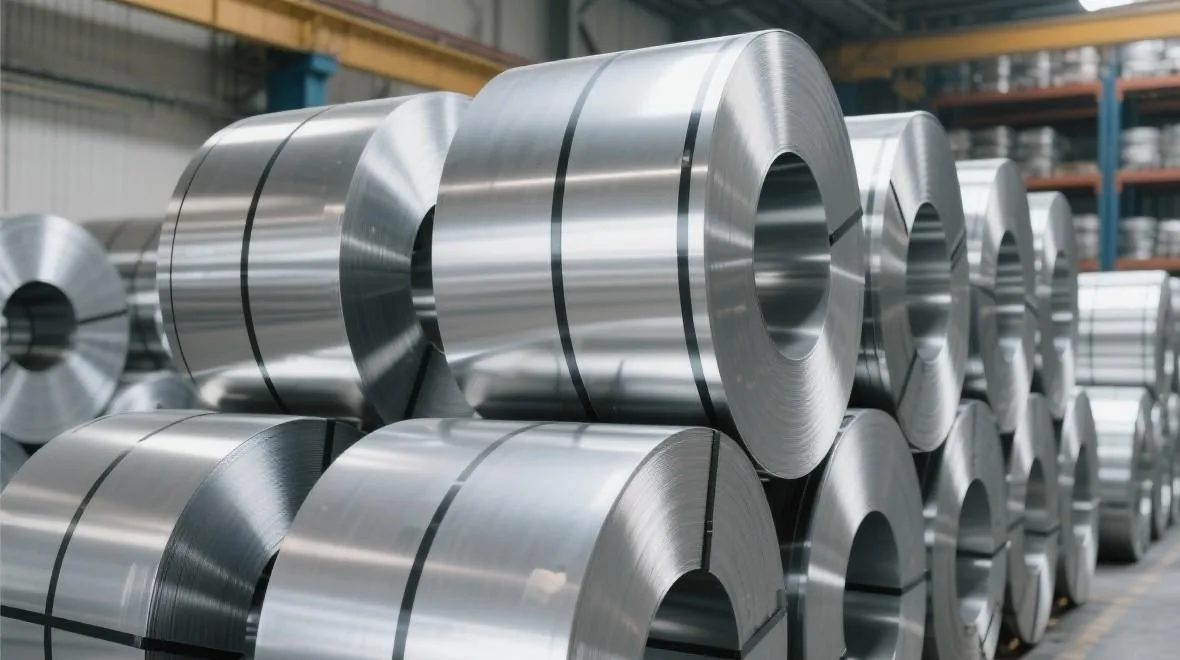
For stainless steel coil packing, specify the coil eye orientation before the supplier designs the skid and securing method. Eye-to-sky and eye-to-side arrangements require different lifting access and support. The right choice depends on coil weight, container plan and the equipment available at both loading and discharge points.
ID and OD edges need protection from strap pressure and handling impact. This matters even more for slit coil, where burr direction, narrow width and edge condition affect downstream feeding. The package should also keep the coil from shifting or losing shape during handling. Do not prescribe a universal number of steel bands; ask the supplier to confirm the securing pattern for the actual coil weight and packing system.
For 2B, BA, No.4 or HL material, state whether protective film is required and which side receives it. Film type, peel direction and compatibility with the buyer's process should be agreed before packing. Our stainless steel surface finish guide explains why the finish name alone is not enough.
Every packed coil should remain identifiable. Ask for grade, dimensions, net weight, heat number or traceable coil number and package number on the label. For a practical specification path, compare the stainless steel coil range and the 304 stainless steel coil page.
Stainless steel sheet and plate packing: support the stack and preserve the finish
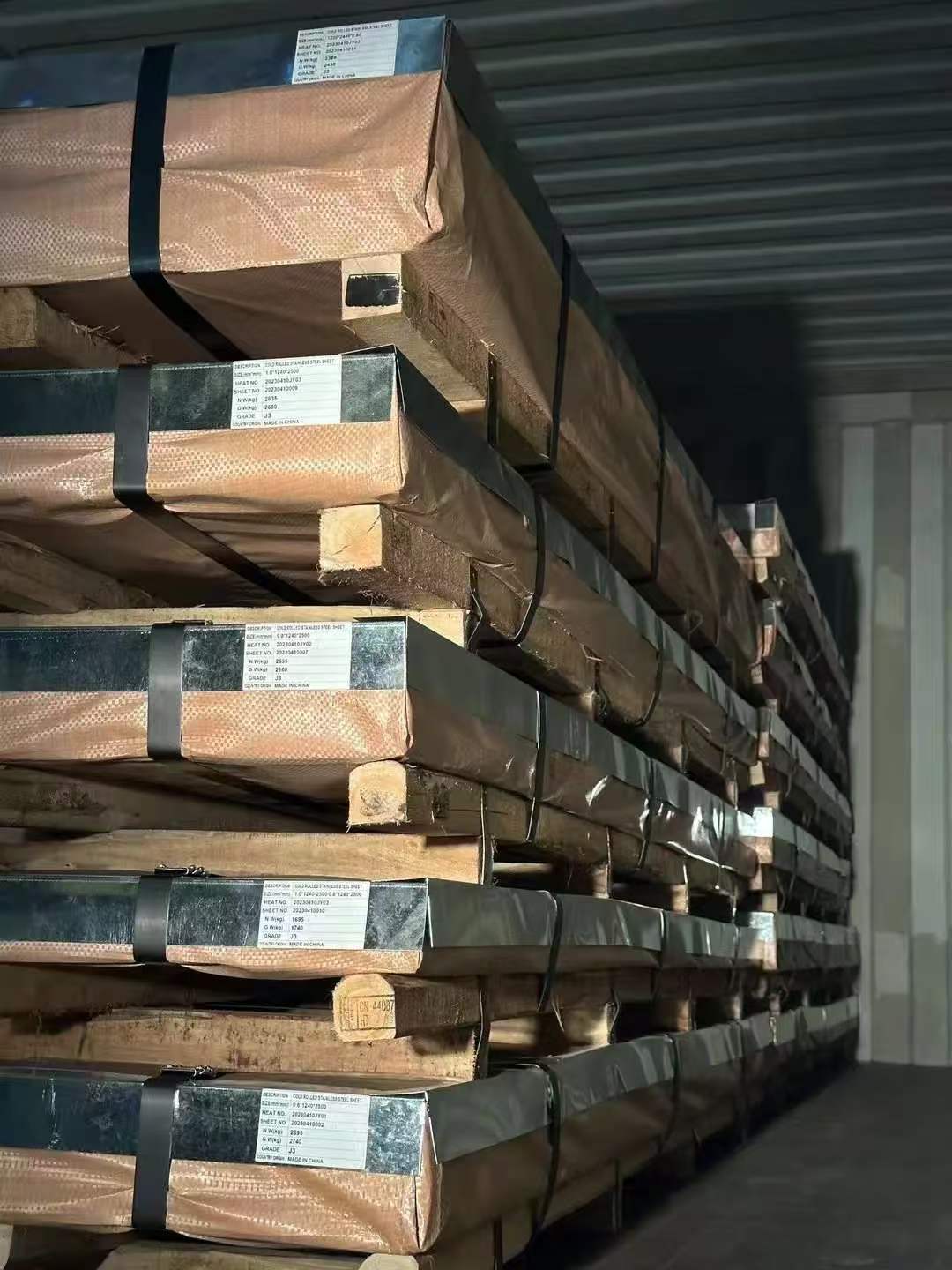
Stainless steel plate export packing must keep the stack flat and prevent local pressure at corners and strap positions. The supplier needs the sheet or plate dimensions, piece count, unit weight, finish and unloading method before selecting a pallet, skid or case. Thin sheets and polished surfaces require a different approach from heavy No.1 plate.
Protective film is common for visible 2B, BA, No.4, HL and mirror surfaces, but the order should name the film requirement rather than assume one generic grade. Interleaving paper or separators may help reduce metal-to-metal rubbing. Corners and edges need enough protection to stop bands, forklift contact or handling tools from marking the material.
The base must support the loaded weight without sagging or leaving long unsupported spans. Mark safe fork or sling positions when the package geometry makes the lifting point important. Buyers should also state whether stacked pallets are allowed and whether the receiving warehouse has a weight or height limit for each package.
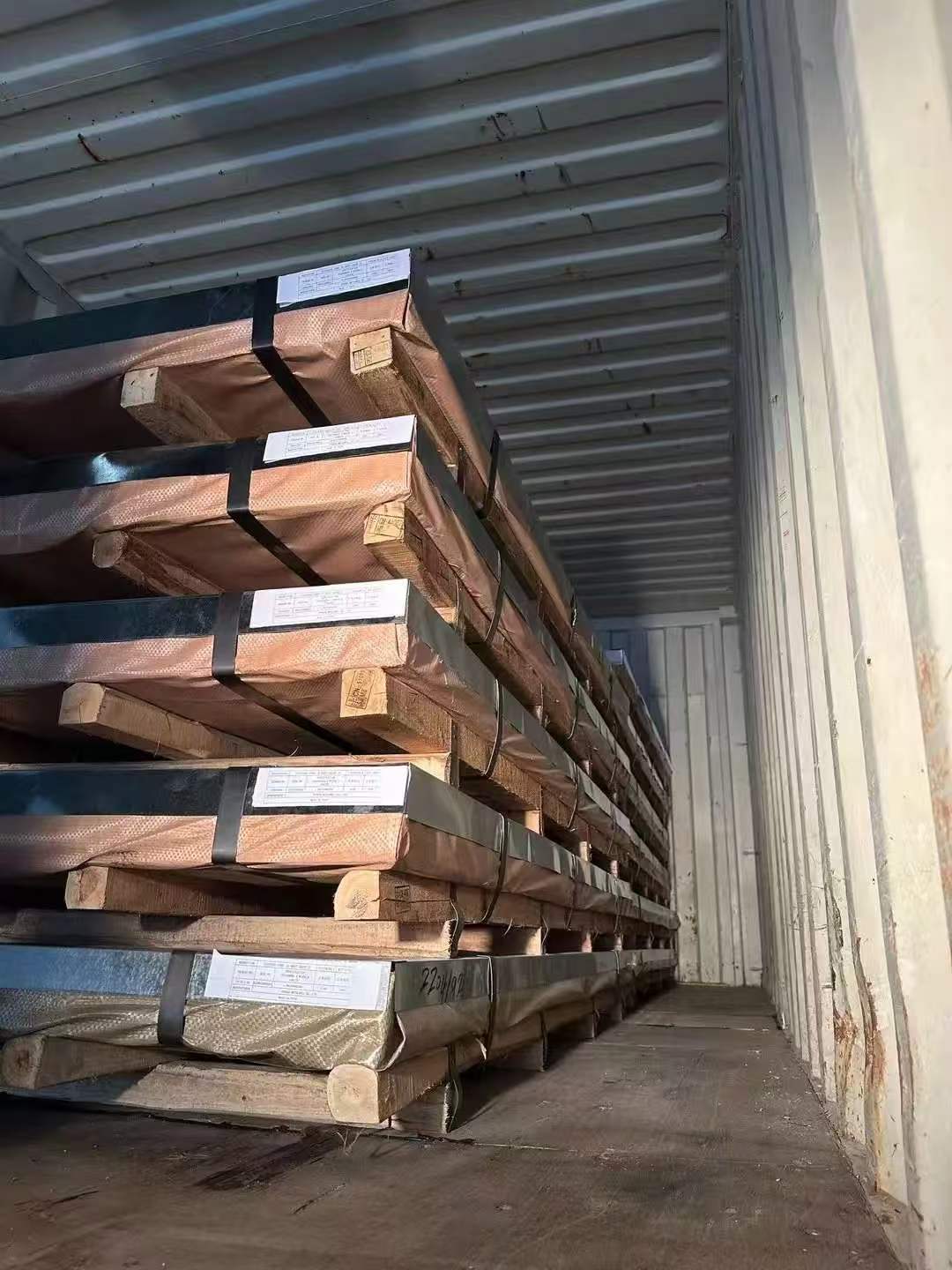
The stainless steel plate range provides the product context for grade, finish and cutting details that belong in the same RFQ.
Stainless steel pipe packing: define bundle and end requirements
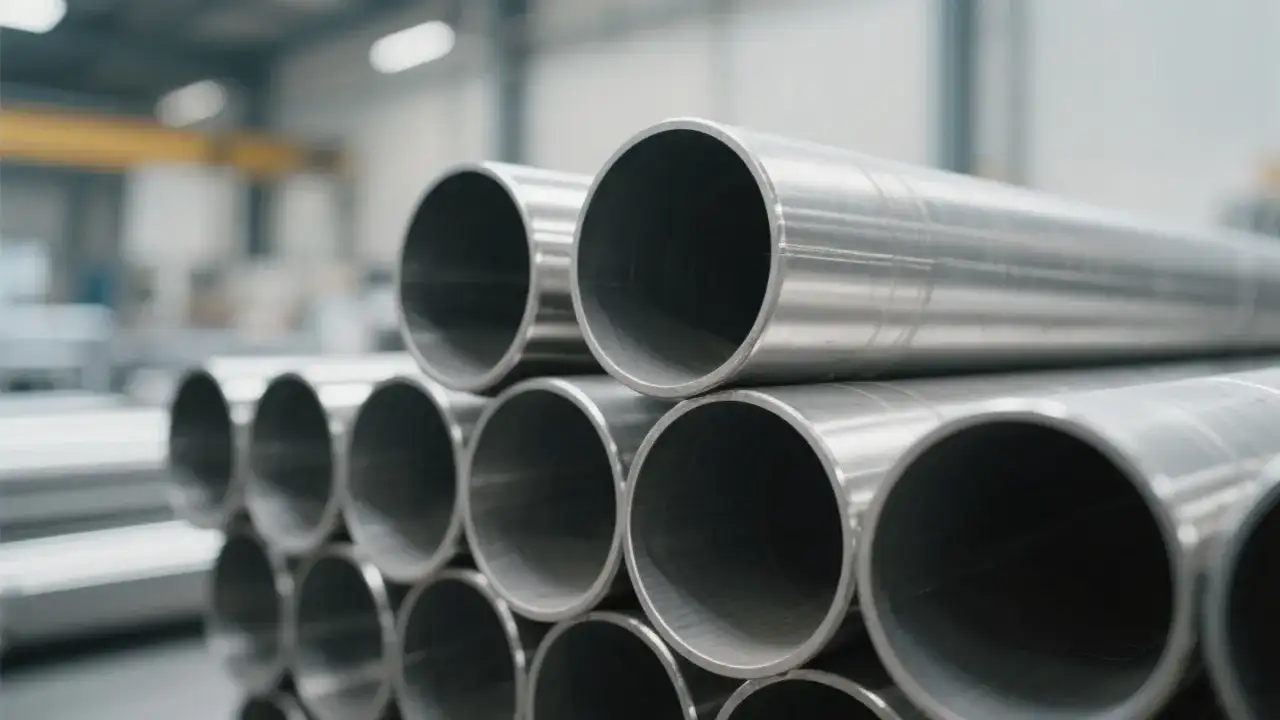
For stainless steel pipe packing, the first decision is whether the pipe needs routine bundle protection or controlled cleanliness and end condition. Plastic end caps make sense for clean bores, threads, bevels and ends that could be damaged or contaminated. They are not a universal requirement for every structural or decorative tube order.
Small-diameter pipe may be grouped in compact bundles, with suitable protection between the steel bands and the pipe surface. Separators or collars can reduce rubbing where the finish is visible. Thin-wall, bright, precision or short-cut tube may need a wooden case or another rigid outer package because a normal bundle offers less protection against crushing and lost pieces.
Write the required end type, surface, maximum bundle weight, package dimensions and lifting method into the order. A fabricator receiving bevelled process pipe has different concerns from a workshop receiving decorative tube. The stainless steel pipe range and 304 stainless steel pipe page show the size, schedule and end details to settle before packing.
Stainless steel bar packing: length and surface change the method
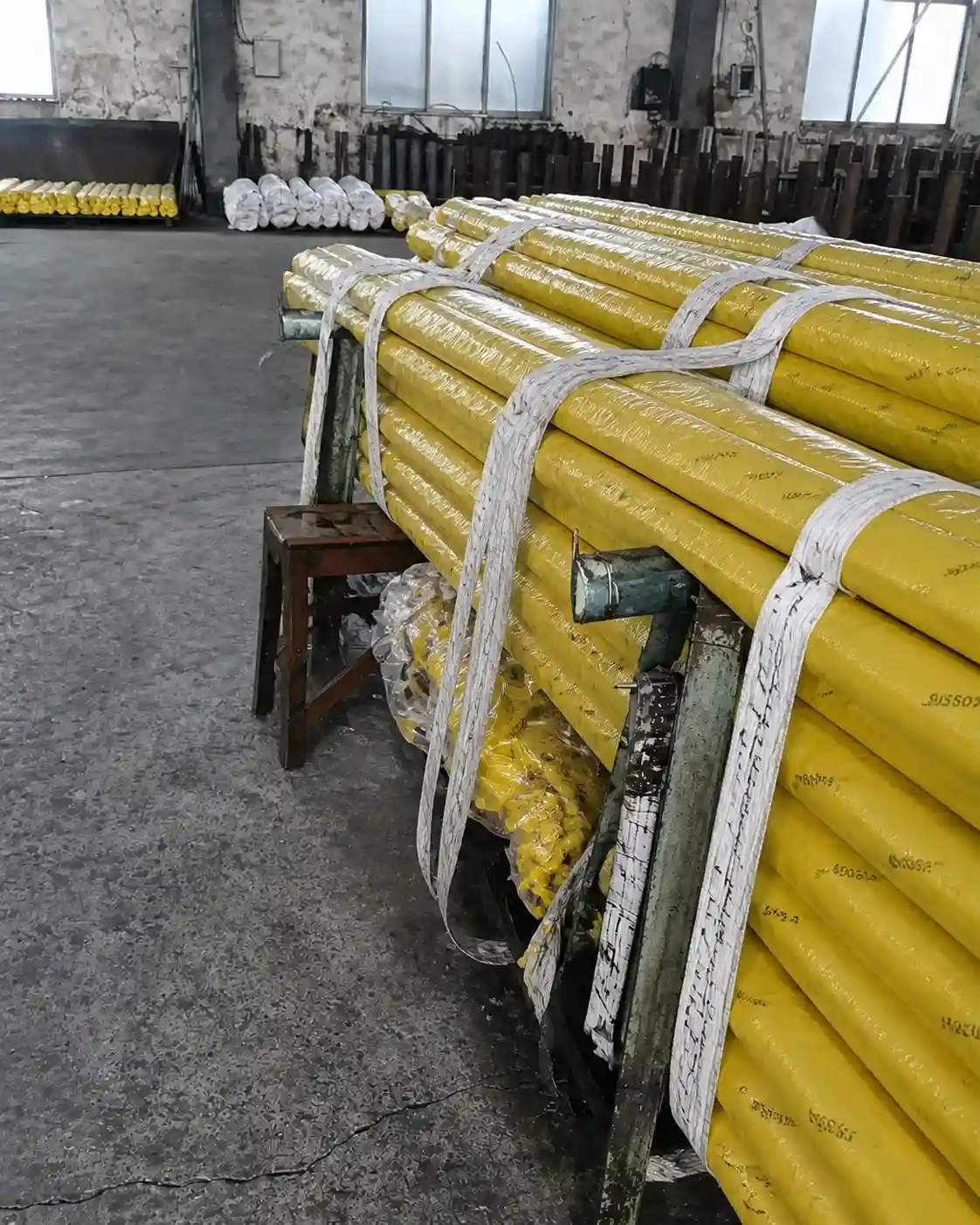
Long hot-rolled bar, cut machining blanks and centerless-ground bar should not share one packing description. For routine long bar, the bundle must stay straight enough for handling, keep different sizes separate and carry readable identification. Short pieces need a case or enclosed package so that individual parts cannot escape during terminal handling.
Ground and bright bar surfaces need more care than rough hot-rolled stock. A barrier film, wrapping or compatible protective oil may be specified when moisture and surface staining are concerns. Confirm any oil with the downstream cleaning, coating or food-contact process before using it. Machined or threaded ends may also need individual guards.
For mixed shapes, label round, hex, square and flat bar clearly; dimensions alone can become confusing after the packages are stacked. The stainless steel bar range, stainless steel round bar page and bar weight calculator can help prepare the size and weight information needed for bundle planning.
20ft or 40ft container: confirm length, payload and handling
A 20ft dry container is often considered for dense cargo such as coils, short bars and plate because its volume is compact relative to the cargo weight. A 40ft container provides more internal length and volume, which can suit long pipe or bar. That is only a starting point; the actual container and inland route decide what can be loaded.
A typical standard 20ft dry container has an internal length of about 5.9 meters. A nominal 6-meter pipe or bar bundle therefore does not fit straight inside it. Diagonal loading may appear possible on paper, but packed length, door opening, lifting clearance, floor contact, dunnage and lashing can make the arrangement unsafe or impractical. Before accepting a 6-meter order in a 20ft container, obtain the actual equipment dimensions and a workable loading method. Cutting to a shorter length or using a 40ft container may be the cleaner option.
Do not quote a universal container payload. Check the CSC safety approval plate and the carrier's equipment specification, then confirm container-floor limits, chassis limits, port rules and destination road or axle restrictions. A container that can carry the cargo at sea may still be unsuitable for inland delivery.
| Planning question | What the buyer should confirm |
|---|---|
| Will the cargo fit? | Packed dimensions, door opening, lift clearance and unloading method |
| Is the weight acceptable? | CSC plate, carrier limit, floor loading and inland transport rules |
| Can the cargo move? | Dunnage, chocks, lashing arrangement and concentrated-load control |
| Can the receiver unload it? | Forklift or crane capacity, lifting points and package weight |
Moisture planning for Southeast Asia and Middle East routes
Routes through tropical ports such as Laem Chabang, Cat Lai and Port Klang can expose cargo to high humidity and repeated temperature changes. Shipments moving to Jebel Ali or Dammam may also pass through humid port environments before entering a drier inland climate. Stainless steel resists many ordinary environments, but trapped water and chloride contamination can still leave stains or localized surface damage.
Start with a clean, dry container and dry cargo. Keep rainwater off the material during packing and loading. Wood packaging and dunnage should be dry enough for use and compliant with the destination's phytosanitary requirements. Where regulated wood packaging is used, specify compliant ISPM 15 treatment and marking; do not assume the word "fumigated" is the only acceptable route.
Desiccant quantity should follow container volume, voyage, packaging permeability, cargo moisture and supplier instructions. A fixed kilogram figure copied into every PO is not reliable. VCI can add protection for selected bright or precision surfaces, but it must be compatible with the metal, wrapping system and downstream cleaning.
Keep MTC, heat number, labels and packing list connected
Packing is also a traceability system. The grade and heat number on the Mill Test Certificate should connect to the physical label and packing list. Mixed heats, grades or sizes need package numbers that let the receiving team find the correct material without opening every bundle.
At minimum, agree which label fields are required: grade, standard where needed, dimensions, heat number or traceable batch number, package number, net and gross weight, and purchase-order reference. Weather-resistant labels and a protected duplicate label can help where the outer wrapping may be removed or damaged.
Before shipment release, compare label photos with the MTC and packing list. The stainless steel MTC checklist before shipment separates this document check from the physical packing inspection.
Pre-shipment packing and loading checklist
Before the container is sealed, ask for evidence that addresses the actual risks in the order. The following checklist works for many FCL shipments, but the inspection scope should still match the contract.
- Container condition: container number, CSC plate, clean floor, dry interior and no visible holes or serious damage.
- Package condition: wrapping complete, corners and ends protected where specified, bands secure and package dimensions within plan.
- Identification: grade, size, heat number and package number readable and consistent with the packing list.
- Cargo placement: heavy packages supported, concentrated loads controlled and unloading access considered.
- Securing: suitable dunnage, chocks or lashing installed so packages cannot shift into the doors or each other.
- Weight distribution: declared cargo weight and package positions consistent with the loading plan and transport limits.
- Release record: photos taken before closing, seal number recorded and final package count confirmed.
Ask who is responsible for each check. A supplier packing photo, a warehouse loading record and a third-party survey are different levels of evidence. The PO should state which one the buyer expects.
Mixed containers need separation, not only spare space
Coil, plate, pipe and bar can share a container, but filling unused space is not the main objective. Heavy products need independent support and securing. Finished surfaces must not rub against rough bundles or exposed steel bands. Long products should not block the removal of pallets that need to come out first.
Keep grade and heat-number labels visible, and map package numbers to the packing list. The loading sequence should also follow the receiving warehouse's unloading equipment. A mixed shipment can reduce freight per product line, but poor access or unclear identification can move that cost into unloading and sorting.
RFQ wording example for stainless steel export packing
Use the clause below as a starting point, then remove anything that does not fit the order:
Sea-freight packing required for the stated product and finish. Please confirm the proposed wrapping, edge or end protection, pallet / skid / bundle method, package dimensions and weight before production. Regulated wood packaging must carry compliant ISPM 15 treatment marks where required. Each package must show grade, size, heat number or traceable batch number, package number and net weight. MTC heat numbers, physical labels and packing list must match. Please provide package photos, container condition photos, loading photos and seal number before shipment release. Destination: Laem Chabang, Thailand. Container type and maximum packed length to be confirmed before order.
For a quotation, send the product form, grade, dimensions, finish, quantity, package-weight limit, destination and unloading method through the contact page.
Common packing mistakes
- Writing only "standard export packing" and expecting both sides to imagine the same method.
- Selecting film, VCI or protective oil without checking finish and downstream cleaning.
- Treating a nominal 6-meter length as if it fits straight in every 20ft container.
- Checking total cargo weight but ignoring floor concentration, inland road rules and unloading capacity.
- Using regulated wood packaging without confirming destination treatment and marking requirements.
- Photographing the closed container but not the labels, surfaces, supports and securing points.
- Packing mixed grades or heats without a package-number map.
References and scope
Container packing and securing should follow the contract, carrier instructions, applicable regulations and competent loading practice. The IMO/ILO/UNECE Code of Practice for Packing of Cargo Transport Units (CTU Code) provides international guidance for packing and securing cargo transport units. ISPM 15, published under the International Plant Protection Convention, covers regulated wood packaging material used in international trade.
This article gives purchasing guidance, not a container engineering calculation. Final packing, lashing, payload and inland transport decisions must follow the actual cargo, container, carrier and destination rules.
Conclusion
The best packing specification is specific enough to protect the ordered product and simple enough for the packing team to follow. Start with product form, surface, packed dimensions, handling and destination. Then define the necessary barrier, support, identification and loading evidence.
For stainless steel moving by ocean freight, the final check is not whether the package looks heavy-duty. It is whether the material can arrive with its finish, shape and heat-number identity intact and can be unloaded safely at the destination.
Frequently Asked Questions (FAQ)
Q. What should a stainless steel export packing specification include?
A. State the product form, dimensions, surface finish, protective film or wrapping requirement, edge or end protection, bundle or pallet method, label fields, heat-number traceability, container type and destination. Add any cleanliness, lifting or wood-packaging requirement that the receiving site actually needs.
Q. Does all stainless steel need VCI packing for ocean freight?
A. No. VCI paper or film may be useful for ground, bright or moisture-sensitive cargo, but it is not an automatic requirement for every stainless steel order. The supplier and buyer should confirm surface condition, voyage, downstream cleaning limits and the complete moisture-control plan.
Q. Can 6-meter stainless steel pipe or bar be loaded in a 20ft container?
A. A nominal 6-meter bundle does not fit straight within the typical internal length of a standard 20ft dry container, which is around 5.9 meters. Some diagonal arrangements may be geometrically possible, but door clearance, packed length, lifting access, floor loading and safe securing can make them unsuitable. Confirm the actual container dimensions and loading plan before fixing the material length.
Q. Do stainless steel pipe ends always need plastic caps?
A. No. Caps are useful when the order requires clean bores, protected threads, preserved bevels or controlled end condition. Routine structural or decorative tube may use a different packing method. Put the required end protection on the purchase order instead of assuming it is standard.
Q. Can stainless steel coil, plate, pipe and bar share one container?
A. They can be combined when the loading plan separates heavy items, protects surfaces, supports concentrated loads, preserves lifting access and keeps every package identifiable. The carrier, container rating, floor limits and destination road rules still control the final arrangement.
CTA
Preparing a stainless steel shipment? Send the product form, grade, dimensions, finish, quantity, destination, container preference and unloading limits to FX Stainless Steel through the contact page. We will check the suitable supply and packing options for quotation.