
Cut-to-Length Stainless Steel Round Bar: Buyer's Guide
Ordering cut-to-length stainless steel round bars changes length tolerance, end condition, kerf and yield pricing, and MTC traceability. This guide shows buyers how to specify length, ends, weight basis and sea-freight packing.
In This Guide
Introduction
Ordering cut-to-length stainless steel round bars looks simple from the outside: a long bar goes in, a saw shortens it, the job is done. On a purchase order the picture is different. Length tolerance, end condition, kerf loss, the billing basis and heat-number traceability all change the moment a full-length bar meets the saw, and each of them reappears later as either a smooth receiving day or a dispute.
This guide is written for procurement teams and CNC workshops buying stainless steel round bars from China, particularly buyers shipping into Vietnam, Thailand, Malaysia, Indonesia and the Middle East, where cut bars often feed straight into machining cells after customs clearance. It covers how to specify length, what cutting does to the ends and the price, how MTC traceability survives the saw, and how cut bars should be packed for sea freight. A copy-ready RFQ template sits near the end.
Quick answer
Three details decide whether a cut-to-length order lands smoothly:
- Put the length formula in writing. Nominal length + allowed tolerance + weight basis (theoretical or actually weighed). A PO that only says 500 mm long leaves each side free to assume a different tolerance.
- Say what the ends must look like. Saw-cut ends carry minor burrs and slight squareness deviation. If the bars feed into a collet or an auto-feeder, the cutting route changes, so the feeding method belongs in the RFQ.
- Agree heat-number tagging before cutting starts. A cut piece does not automatically carry its Heat Number identity. Tagging each bundle, or stamping larger diameters, has to be planned while the order is still on the desk, not after the bars are already short.
Cut-to-length or exact length: two different orders
The two phrases sound interchangeable. In practice they buy different things:
- Cut-to-length means the saw cuts where the process naturally lands, usually with a positive-only tolerance such as +10 mm / -0 mm. The allowance arrives on your floor and your machining takes it off.
- Exact length means every piece must land inside a tight window. That usually takes a second end-facing operation after sawing, which adds cost and lead time.
Standards such as ASTM A484 set general requirements for stainless steel bars, including baseline length practice. Machining demands usually go beyond those baselines, so the tolerance written in the PO is what the workshop actually works to.
Kerf allowance is the other half of the length conversation. A band saw blade removes roughly 2 to 5 mm of material per cut depending on the blade. A 6-meter bar ordered into ten 600 mm pieces will not yield ten usable pieces: nine kerfs consume about 27 mm, so the last piece comes up short unless the supplier plans a longer parent bar or accepts a shorter final piece. This is why the RFQ should state whether random short ends are acceptable and who owns the offcuts.
| Request type | Typical tolerance | Best suited to | What to watch |
|---|---|---|---|
| Standard cut-to-length | +10 mm / -0 mm | Fabrication blanks, forging stock, general engineering | The allowance is yours to machine off |
| Exact length | +1 mm / -0 mm, or ±0.5 mm with machined ends | Direct CNC feeding, assembly-critical parts | Extra end-facing operation; confirm the route per order |
| Random lengths | Mixed lengths, e.g. 2000-4000 mm | Stocking, non-critical structural work | Cheapest, lowest precision; sorting happens on arrival |
Cutting method and end condition
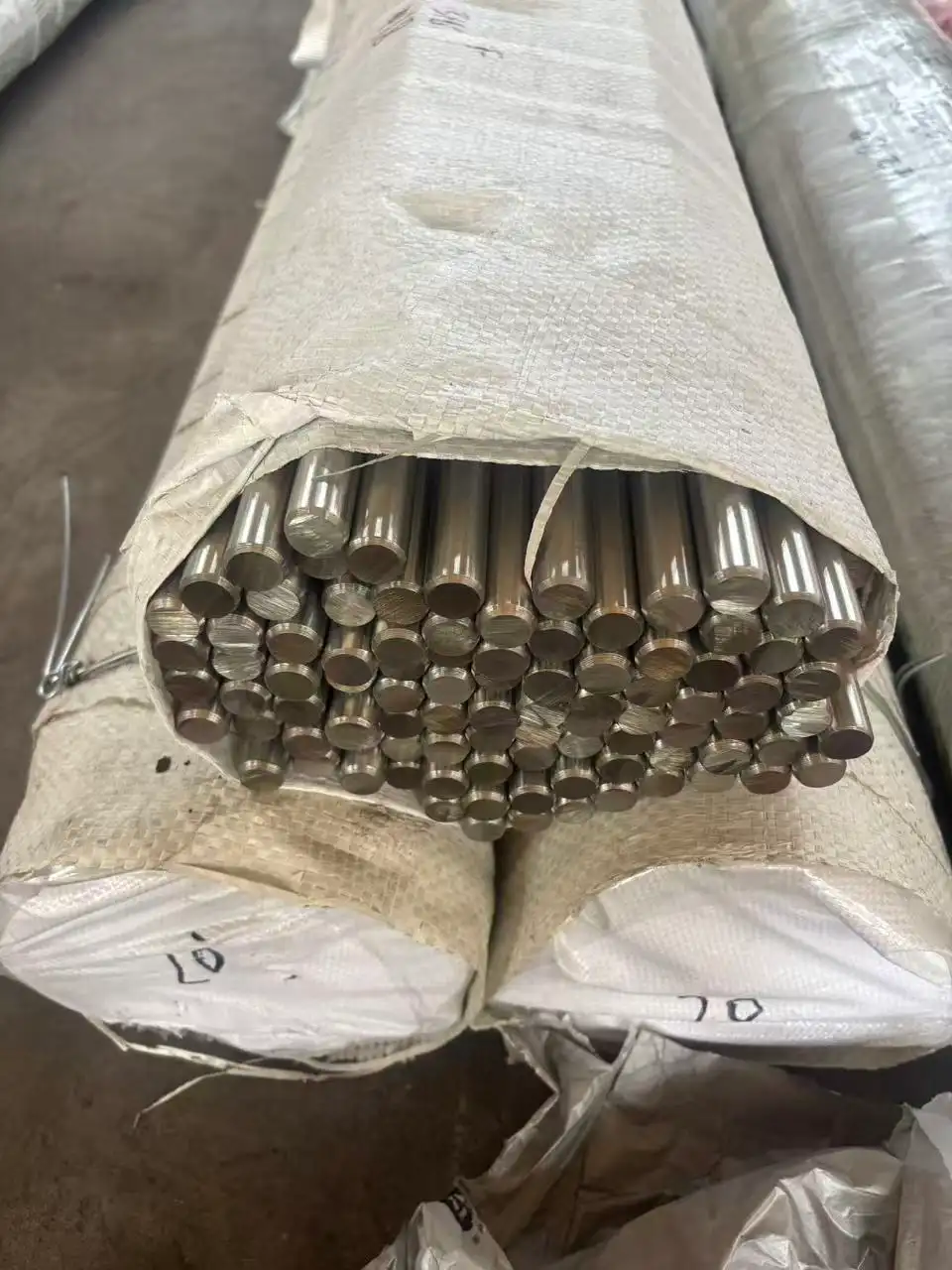
The end face is where machining trouble starts. A rough sheared end can pinch the material, sit out of square and jam a collet on the first feed attempt. The cutting method decides the end condition, so the RFQ should describe how the bars will be fed, not just how long they must be.
| Cutting method | End condition | Best suited to | Cost effect |
|---|---|---|---|
| Band saw | Square within saw accuracy, minor burr | Machining blanks, general engineering | Economical; ends faced during your machining |
| Shearing (cropping) | Pinched, out-of-square ends | Small diameters, rough forging stock | Fastest and cheapest; unsuitable for auto-feeding |
| Saw cut + end facing | Square, burr-free, optional chamfer | Direct CNC feeding, assembly-critical pieces | Adds an operation, priced accordingly |
Chamfers, deburring and squareness limits all belong in the RFQ. They are cheap to agree early and expensive to negotiate after the bars are cut.
What cutting changes about weight and price
Billing is where most cut-to-length disputes start, because cutting breaks the link between a tonnage price and what physically arrives:
- Per-piece or per-ton. Exact-length work is often quoted per piece, which absorbs kerf loss and handling into a predictable unit price. Tonnage pricing still works for standard cuts, but the weight rule must be stated.
- Theoretical or actually weighed. If the invoice follows theoretical weight, the calculation basis (diameter, length, density) belongs in the PO. If it follows the scale, the packing list should show actual weights per bundle.
- The offcut rule. Kerf loss and the unusable tail of the parent bar have to go somewhere. A workable quote builds the yield into the unit price, and the packing list separates usable cut pieces from any agreed scrap so receiving can verify both.
MTC and heat number after the saw
Cutting does not invalidate the 3.1 MTC. The certificate follows the heat, and every piece cut from that heat belongs to it. What needs agreement is how the identity travels with the pieces:
- Large diameters can carry the heat number as a stamp or paint mark on each piece.
- Smaller diameters are usually tagged per bundle, with the tag listing grade, diameter, cut length, piece count and heat number.
- The packing list, the physical labels and the MTC should mirror each other: the same heats, the same dimensions, the same quantities.
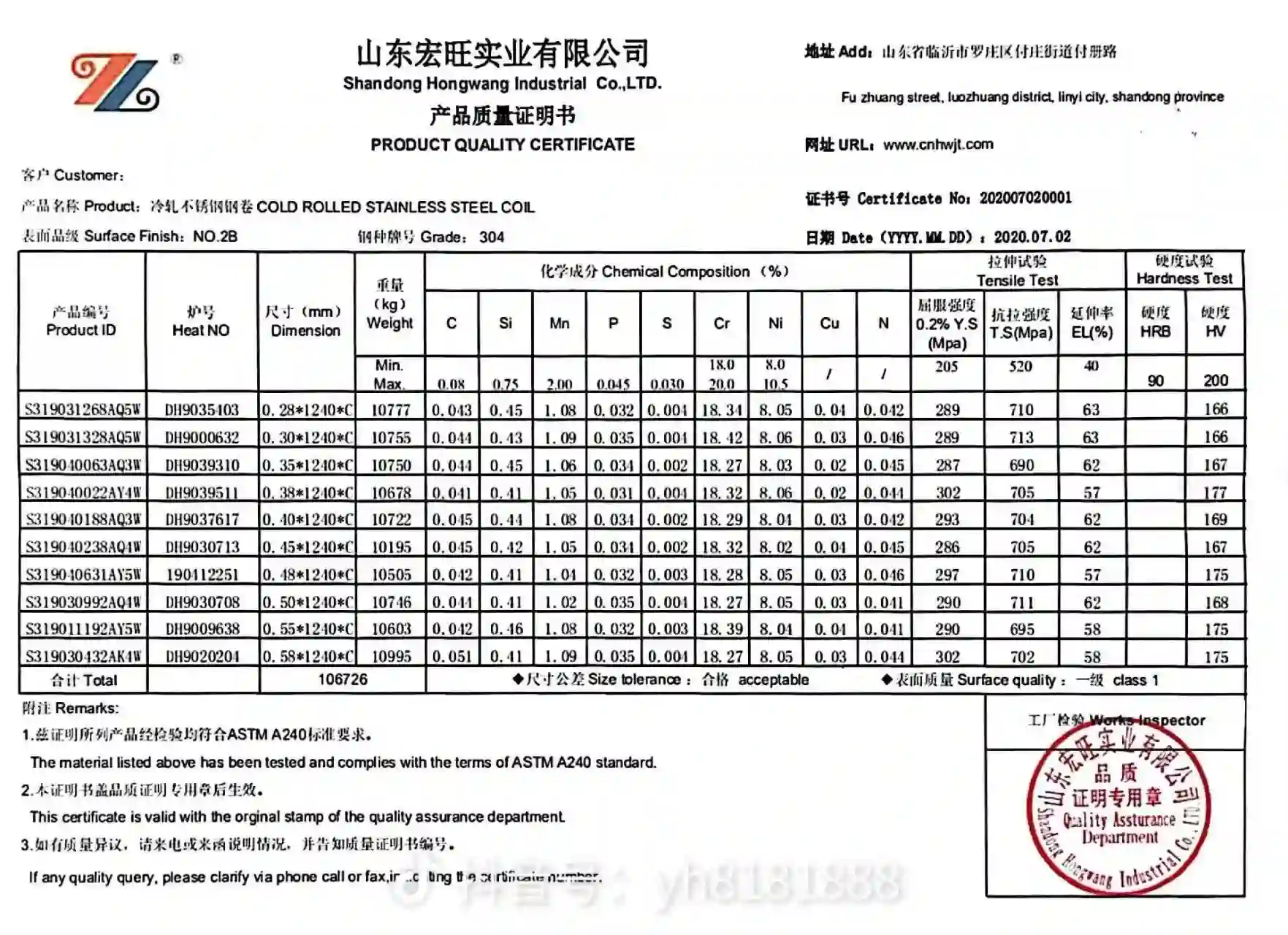
A useful receiving test: pick any bundle, find its heat number on the tag, then find the same heat on the MTC and the packing list. If that chain breaks anywhere, hold the shipment and ask before payment or release. Our MTC checklist before shipment covers this in depth, and how to read a stainless steel MTC explains the certificate line by line.
Packing cut bars for sea freight
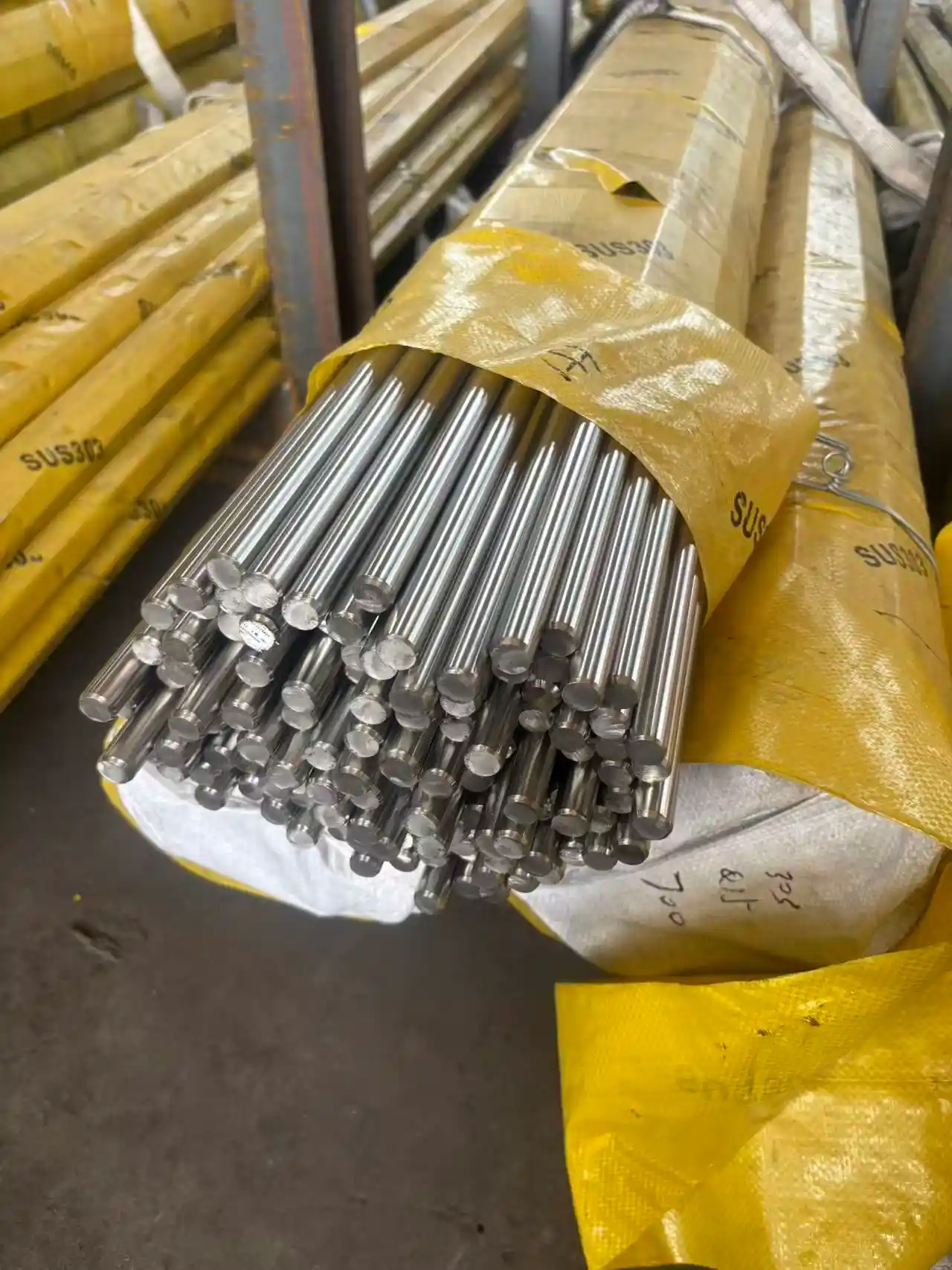
Cut bars behave differently from full-length bars in transit. Shorter pieces shift more easily inside a bundle, and machined end faces are exactly the kind of surface that suffers from rubbing. For shipments to ports such as Laem Chabang, Cat Lai, Port Klang or Jebel Ali, packing is planned for the sea leg, not the workshop:
- Bundles are segregated by diameter, cut length and heat number so unloading and stock-taking run without opening every strap.
- Machined or chamfered ends get plastic caps or heavy wrapping when requested.
- Timber supports and pallets follow ISPM 15, and solid blocking inside the container stops bundles from shifting while the vessel works.
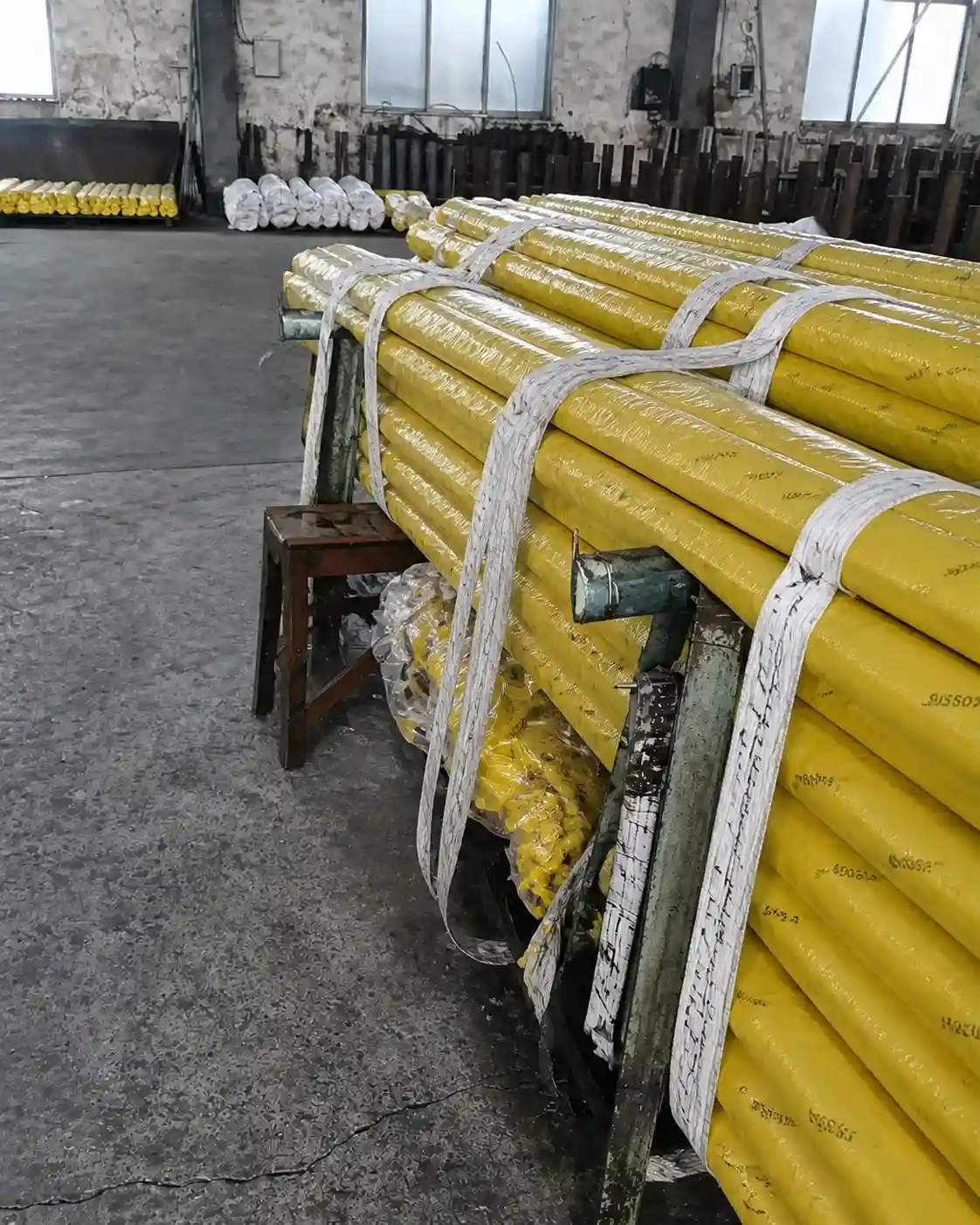
The broader packing routine, including moisture protection and loading photos, is covered in our stainless steel export packing guide.
A copy-ready RFQ template
The fastest way to a usable quote is an RFQ that already contains the details suppliers would have to ask about anyway:
Please quote cut-to-length stainless steel round bars, CFR Cat Lai: - Grade and standard: 304, ASTM A276 / A484 - Diameter and condition: 50 mm, cold drawn - Cut length and tolerance: 500 mm, +2 mm / -0 mm - End condition: band saw cut, deburred - Quantity: 1,200 pieces (about 9.3 MT theoretical) - Pricing basis: per piece, theoretical weight stated - Certification: EN 10204 3.1 MTC, heat number tagged on every bundle - Packing: ISPM 15 timber, sea-freight packing - Destination port: Cat Lai, Ho Chi Minh City
Fill in your own grade, sizes and port, and the quote that comes back will already reflect the cutting route, the tagging plan and the packing cost.
Frequently asked questions
Q. Can stainless steel round bars be cut to an exact drawing length?
A. Yes. Saw cutting holds a few millimetres reliably, and tighter windows are held by adding an end-facing operation. The route depends on diameter, quantity and the surface condition you need, so send the tolerance with the RFQ and the quotation will name the cutting process behind it.
Q. Is cut-to-length bar priced the same as full-length bar?
A. No. Cutting adds blade wear, handling and kerf loss, so the per-ton or per-piece rate sits above the full-length price. A workable quotation shows the cutting effect instead of hiding it inside a vague loading.
Q. Do cut pieces still come with the MTC?
A. Yes, provided the order asks for it. The EN 10204 3.1 MTC covers the parent heat, and the supplier keeps the heat number attached to every piece or bundle through tagging, stamping and the packing list. Agree the tagging format before cutting starts.
Q. Who pays for the kerf loss and the leftover offcuts?
A. Usually the yield is built into the quoted rate, so the buyer covers it inside the unit price and receives no surprise at packing. If your workshop can use the offcuts, say so; the packing list should then show usable pieces and offcuts as separate lines.
Q. What length tolerance does a CNC auto-feeder need?
A. It depends on the feeding mechanism. Collet and magazine feeding tolerates less than manual loading, and out-of-square ends cause more feeding faults than length deviation itself. State the feeder type in the RFQ so the cutting route can be matched to it.
Conclusion
Cut-to-length round bars are a normal part of buying stainless steel from China. The orders that run smoothly are the ones where length, tolerance, end condition, weight basis and heat-number tagging were written down before the first cut. Send us your size list, cut lengths, end condition, MTC requirement and destination port, and we will confirm the cutting route, the yield and the packing plan with the quotation.
For grade selection and stock shapes, start from the stainless steel round bar page or the full bar product range. If a specification sheet is already prepared, the bar quote page is the direct route.