
Stainless Steel Bar Price Guide 2026 for Southeast Asia Buyers
Compare stainless steel bar prices on the same basis, from a dated 304, 304L or 316L reference through processing, packing, FOB, CFR, CIF and destination costs.
In This Guide
- Quick answer
- Dated 304, 304L and 316L bar reference
- Wuxi 304 coil reference on 17 August 2026
- How a bar reference becomes an export quote
- Shape, size and weight basis
- Processing route and tolerance premiums
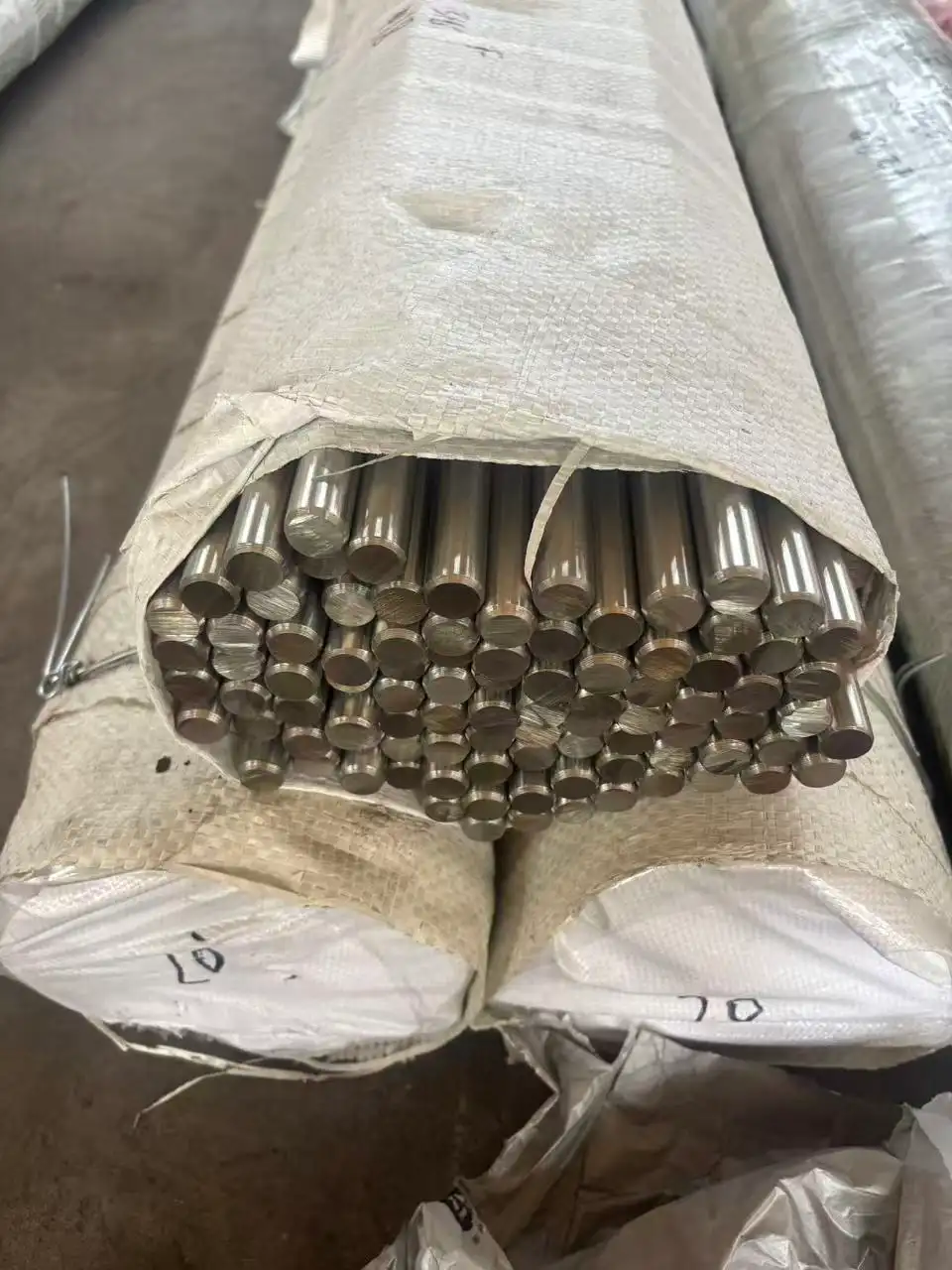
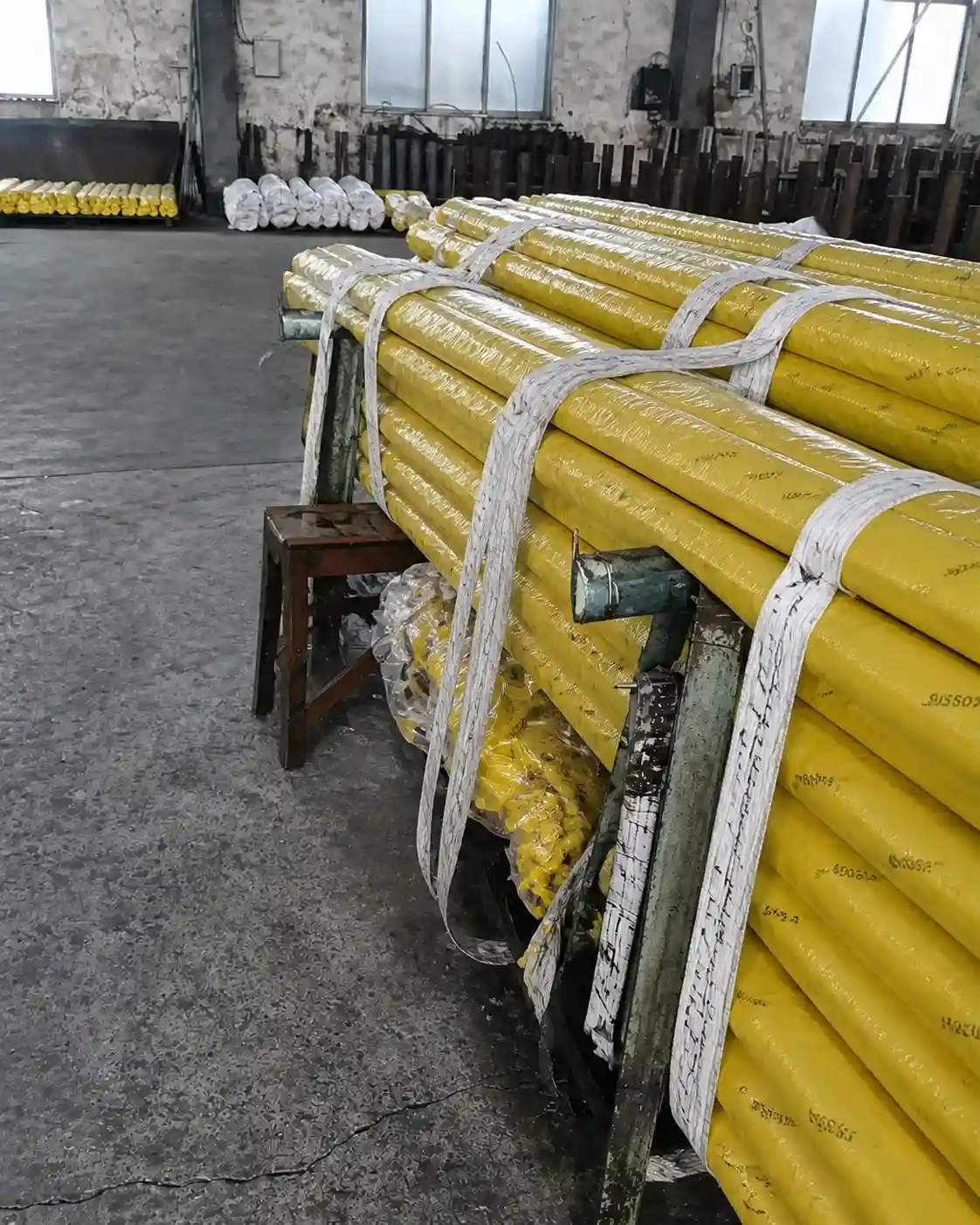
- Cutting, packing and container length
- Small orders and cost per kilogram
- FOB, CFR and CIF are different cost points
- Build a Southeast Asia landed-cost worksheet
- Destination details that change the comparison
- Compare two quotations line by line
- MTC and inspection costs need separate wording
- RFQ example for a comparable bar quote
- Data method and limits
- Request a current stainless steel bar quote
Quick answer
There is no reliable stainless steel bar price per kg without a quotation basis. Grade, shape, size, surface route, tolerance, length, quantity, weight basis, packing and Incoterm all change the number.
For a dated benchmark, FX Stainless Steel recorded tax-inclusive EXW China supplier-market references on 13 August 2026 equivalent to USD 2,114/MT for 304, USD 2,129/MT for 304L and USD 4,295/MT for 316L. The conversion uses USD 1 = RMB 6.74.
Those figures are market references, not standing offers. They do not automatically include a specific diameter, cold drawing, h9 grinding, cut lengths, export packing, inland transport, port charges or ocean freight. A usable comparison starts only after every supplier prices the same specification and delivery term.
As a separate upstream check, the Mysteel Wuxi table dated 17 August 2026 showed 304 cold-rolled 2B four-foot mill-edge base prices equivalent to USD 2,107-2,166/MT. These are coil base prices, not stainless steel bar prices, and the report says applicable mill thickness surcharges must still be added.
Dated 304, 304L and 316L bar reference
The table records one supplier-market snapshot. Dividing USD/MT by 1,000 gives the reference per kilogram.
| Grade | Tax-Inclusive EXW China Reference | Converted Reference | Per-Kilogram Equivalent | Not Defined by the Source |
|---|---|---|---|---|
| 304 | RMB 14,250/MT | USD 2,114/MT | USD 2.114/kg | Shape, size, surface, tolerance, packing and export charges |
| 304L | RMB 14,350/MT | USD 2,129/MT | USD 2.129/kg | Low-carbon or dual-certification wording for a particular heat |
| 316L | RMB 28,950/MT | USD 4,295/MT | USD 4.295/kg | Molybdenum value for a specific heat, finish, size and availability |
Data date: 13 August 2026. Exchange rate: USD 1 = RMB 6.74. Rounding: nearest whole US dollar per metric ton.
The USD 15/MT gap between 304 and 304L does not mean every 304 batch also qualifies as 304L. The MTC chemistry must support the designation on the purchase order. Likewise, the 316L premium is a dated grade gap, not a fixed multiplier for every diameter and finish.
No dated 303 or duplex figure was supplied, so this guide does not derive either grade from 304 by a fixed percentage. 303 stainless steel bar follows its own free-machining chemistry, size and stock route. Duplex stainless steel bar is normally quoted against the exact grade, heat treatment, dimensions and project documents.
Wuxi 304 coil reference on 17 August 2026
The Mysteel Stainless Steel Price Evening Report dated 17 August 2026 lists the following Wuxi base prices in its 15:10 plate and coil table. We converted them at the same USD 1 = RMB 6.74 rate used above.
| Product and Wuxi Basis | Mill | RMB/MT Base Price | Converted USD/MT | Converted USD/kg |
|---|---|---|---|---|
| 304 cold rolled 2B, four-foot mill edge | Zhangpu | 14,600 | 2,166 | 2.166 |
| 304 cold rolled 2B, four-foot mill edge | Yongjin | 14,400 | 2,136 | 2.136 |
| 304 cold rolled 2B, four-foot mill edge | Beicai / Hongwang / Delong | 14,200 | 2,107 | 2.107 |
| 304 hot rolled, five-foot mill edge | Tsingshan / Delong | 13,900 | 2,062 | 2.062 |
| 304 hot rolled, 1800 or 2000 mm mill edge | Delong | 14,150 | 2,099 | 2.099 |
| 304 hot rolled, 1800 mm mill edge | TISCO | 14,650 | 2,174 | 2.174 |
The report labels these figures as base prices. Its note says the relevant mill thickness surcharge must be added before arriving at the coil price. Surface, width, thickness, mill origin and local transaction terms therefore remain part of the comparison.
This table is useful as a Wuxi material-market cross-check, but it is not evidence that round, hex, square or ground bar should be sold at the same USD/MT. Bar production and stock routes add their own yield, rolling or drawing, straightening, grinding, cutting and inspection costs.
The separate 304 stainless steel bar price trend update explains the market date, nickel context and Indonesian supply news. This page has a different job: turning a material reference into a comparable export and landed-cost worksheet.
How a bar reference becomes an export quote
A converted EXW reference is only the starting line. A normal export quotation may contain the following layers:
| Cost Layer | What Changes It |
|---|---|
| Material basis | Grade, heat, mill or stock route, current availability and quotation date |
| Bar form and size | Round diameter, hex across-flats size, square side size, or flat-bar thickness and width |
| Processing | Hot rolling, peeling, cold drawing, polishing, centerless grinding and straightening |
| Dimensional control | Commercial tolerance, h11/h10/h9, straightness, roundness and inspection records |
| Cutting | Full length, fixed length, short blanks, deburring, piece counting and machining allowance |
| Documents and inspection | MTC, heat-number traceability, dimensional report, PMI or third-party inspection |
| Export packing | Bundles, waterproof wrapping, wooden supports or cases, end protection and shipping marks |
| Origin logistics | Inland transport, customs work, terminal handling and charges at the named loading port |
| Main carriage | LCL or FCL ocean freight under CFR/CIF, plus insurance under CIF |
| Destination costs | Port and carrier charges, customs broker, duty, tax, unloading and local delivery |
A practical FOB worksheet is:
FOB order value = export-adjusted material value + processing + cutting + packing + inland transport + export and origin-port charges
FOB unit price = FOB order value / agreed billable weight
The phrase "export-adjusted material value" matters. A tax-inclusive domestic EXW reference and an export sale may use different tax and commercial arrangements. Currency conversion alone does not reconcile them. The exporter must issue the actual offer on a declared basis.
Shape, size and weight basis
Bar prices move differently from coil or plate prices because section size and finishing yield matter. A common stainless steel round bar may follow a different stock route from hex bar, square bar or flat bar.
Small cold-drawn sections can carry more conversion cost per ton. Large hot-rolled diameters may have a different mill minimum, machining allowance or availability. Hex and square bar also need the correct measurement language: across flats for hex and side size for square. "20 mm bar" is not enough when the shape is missing.
The quotation should state whether settlement uses actual shipped weight, theoretical weight or a piece-weight calculation. Nominal dimensions can differ from measured dimensions within the permitted tolerance, so two suppliers may reach different totals even when their USD/kg rates look similar.
Use the stainless steel bar weight calculator for planning, then put the commercial weight basis on the PO. The final invoice method should not be discovered after production.
Processing route and tolerance premiums
The finish name should describe the supplied route, not just say "bright."
| Supply Route | Typical Cost Addition | What to Confirm |
|---|---|---|
| Hot rolled | Basic rolling and stock handling | Surface scale, machining allowance, size tolerance and straightness |
| Peeled or turned | Outer-surface removal and straightening | Finished diameter, remaining allowance and surface defects |
| Cold drawn | Drawing, straightening and dimensional control | Diameter tolerance, straightness, surface and work-hardened condition |
| Centerless ground | Grinding, measurement and tighter control | h9/h10 requirement, roughness, straightness and inspection method |
| Polished | Surface finishing for appearance or handling | Grit or finish description, directional marks and protection |
Tighter is not automatically better. If a CNC job will remove several millimetres, commercial peeled stock may be more economical than h9 ground bar. If the bar feeds directly through a collet or becomes a precision shaft, controlled diameter and straightness can reduce buyer-side preparation. The drawing decides.
The h9, h10 and h11 bar tolerance guide explains the tolerance route. For finished shaft stock, see the centerless-ground bar guide.
Cutting, packing and container length
Length changes cutting cost, packing design and freight feasibility. State whether the order needs mill lengths, 3 m pieces, 6 m pieces or short CNC blanks.
A nominal 6 m bundle normally does not fit straight inside a standard 20ft dry container because the usable internal length is usually below 6 m. Published dimensions vary slightly by carrier and equipment, and door access reduces the practical loading envelope. Shorter lengths or a 40ft container are usually cleaner unless the carrier and loading team confirm another arrangement.
This is not only a container-size question:
- LCL operators may apply long-cargo handling rules.
- A 3 m bundle may need wooden supports or a case to protect ends and simplify forklift handling.
- Mixed diameters should remain separated and clearly marked.
- Different grades or heat numbers need distinct tags and packing-list lines.
- Maximum payload depends on container tare, carrier limits, local road rules, port handling and the buyer's unloading equipment.
Do not assume that every 20ft shipment should be loaded to the same tonnage. Confirm the carrier's maximum gross weight and the practical receiving limit before fixing the order quantity.
Small orders and cost per kilogram
A 100kg MOQ is available for selected stainless steel bar stock items. It is useful for CNC trials, first-batch inspection and supplier qualification, but it does not create the same landed cost per kilogram as a multi-ton order.
Export documentation, pickup, warehouse handling, packing and LCL minimum charges are spread over fewer kilograms. Cutting five sizes from separate stock batches can add more handling than one 500 kg line, even when the total order weight is the same.
For a trial order, separate these numbers:
1. material and processing value; 2. cutting and packing; 3. origin handling; 4. freight and destination charges.
That breakdown shows whether the high USD/kg comes from the bar itself or from moving a small shipment. The 100kg stainless steel bar MOQ guide covers the stock and trial-order boundaries.
Mixed orders can improve freight use when grades, lengths and packing remain manageable. They can also create errors if heat numbers, labels and quantities are not separated. Saving space is not useful when receiving inspection cannot identify each bundle.
FOB, CFR and CIF are different cost points
The named port and Incoterm must appear together. "FOB China" is incomplete; "FOB Shanghai, Incoterms 2020" or another agreed loading port is clearer.
| Term | Seller-Priced Transport | Main Buyer Cost Still Outside the Price | Risk Point for Sea Shipment |
|---|---|---|---|
| EXW | Material at the named seller location | Pickup, export formalities where applicable, origin handling, freight and destination costs | At the named place, subject to the agreed rule |
| FOB | Delivery on board at the named loading port | Main freight, insurance and destination costs | When goods are on board |
| CFR | FOB-side obligations plus main ocean freight | Insurance and destination costs | When goods are on board, not when they arrive |
| CIF | CFR plus seller-arranged cargo insurance under the agreed term | Destination charges, import duty/tax and local delivery unless separately included | When goods are on board, not at destination |
The risk point under CFR and CIF often surprises buyers. The seller pays the main freight under both, but risk normally transfers at loading. CIF is therefore not the same as delivered duty paid or an all-inclusive warehouse price.
For containerized cargo handed to a carrier before vessel loading, FCA may be more suitable than FOB in some transactions. Confirm the term with the forwarder and contract documents. The International Chamber of Commerce Incoterms page is the authoritative starting point.
Build a Southeast Asia landed-cost worksheet
Landed cost should be calculated for the full shipment and then divided by the usable or billable quantity.
Estimated landed order cost = supplier invoice + destination carrier/port charges + customs broker + import duty and tax + unloading + inland delivery
For a CIF order, ocean freight and agreed insurance sit in the supplier invoice. They should not be added a second time. Destination terminal, documentation, demurrage, storage and delivery charges may still be outside CIF.
Use these five steps:
1. Convert every supplier quote to the same currency and date. 2. Align EXW, FOB, CFR or CIF to one comparison point. 3. Add destination costs from the buyer's broker or forwarder. 4. Apply the correct HS classification, origin documents, duty and tax treatment. 5. Divide the total by the net usable kilograms, not only the gross bundle weight.
Stainless steel bars, rods, angles, shapes and sections generally begin under HS heading 7222, but the exact national subheading depends on product form and processing. Confirm it with the importing broker. The WCO Chapter 72 nomenclature provides the international heading structure.
Preferential tariff treatment under a China-ASEAN arrangement is not automatic because a shipment has a Form E. Origin rules, HS classification, certificate accuracy and the importing country's schedule all matter. Check the current route through the ASEAN Tariff Finder and the buyer's customs broker before placing the order.
Destination details that change the comparison
Country names alone are not enough for freight. Use the real port and final delivery point.
| Market | Useful Port Wording | Cost Detail to Confirm |
|---|---|---|
| Vietnam | Hai Phong or Cat Lai / Ho Chi Minh City | North or south delivery route, LCL handling, broker charges and final factory transport |
| Thailand | Laem Chabang | Bundle length, 20ft or 40ft equipment, unloading limit and delivery beyond the port |
| Malaysia | Port Klang | LCL/FCL basis, warehouse handling and onward delivery outside the Klang Valley |
| Indonesia | Tanjung Priok, Belawan or the actual island port | Port choice, domestic onward freight and local import handling |
| Singapore | Singapore | LCL minimums, warehouse handling, delivery access and project documentation |
A CFR Laem Chabang quote cannot be compared directly with CIF Port Klang or a local-stock pickup in Ho Chi Minh City. First bring them to the same destination and responsibility point.
Compare two quotations line by line
Before choosing the lower USD/kg, place the quotations side by side.
| Field | Quote A | Quote B |
|---|---|---|
| Quote date and validity | ||
| Grade, standard and UNS/JIS wording | ||
| Shape and exact size | ||
| Hot rolled, peeled, cold drawn or ground | ||
| Tolerance and straightness | ||
| Length and cutting allowance | ||
| Quantity by size | ||
| Actual or theoretical weight basis | ||
| MTC, PMI and inspection scope | ||
| Packing and bundle length | ||
| Named Incoterm and port | ||
| Freight and insurance | ||
| Destination charges excluded |
If one column is blank, ask for clarification before treating the prices as comparable. A low material line can be offset by grinding, short cuts, a wooden case or LCL freight. Conversely, a higher finished-bar price may remove work that the buyer would otherwise perform after arrival.
MTC and inspection costs need separate wording
A standard MTC for traceable material and a paid inspection service are not the same item. State what the order actually needs:
- mill or material test certificate and required standard wording;
- heat number on the MTC, bundle tag and packing list;
- actual chemistry and mechanical values required by the PO;
- diameter, length, tolerance or straightness report;
- PMI, XRF or another agreed verification scope;
- SGS, BV or another third-party inspection, including who pays and when it occurs.
Special testing and third-party attendance can add cost and time. They should appear as separate quotation lines or clearly included scope, not disappear inside a vague "certificate included" note.
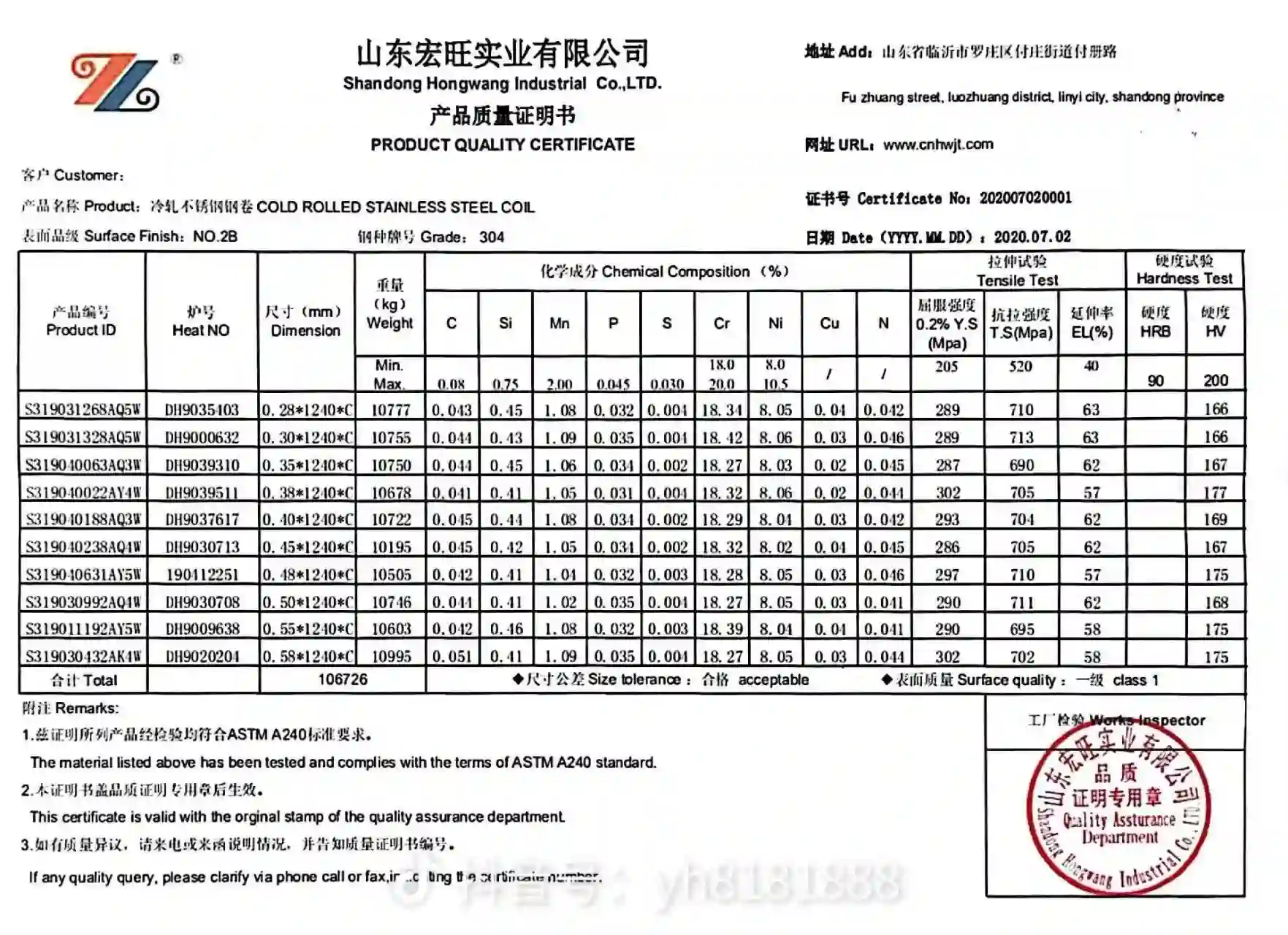
Use the MTC checklist before shipment release when the supplier sends the certificate.
RFQ example for a comparable bar quote
The following wording gives suppliers enough information to price the same route:
ASTM A276 304 stainless steel round bar, diameter 20 mm, cold-drawn finish, commercial diameter tolerance, 3 m fixed length, 2 MT. Quote in USD/MT based on actual shipped weight. Please state the named China loading port and quote FOB, Incoterms 2020. Include standard export bundle packing, MTC and heat-number tags. State quotation validity, loading port and any excluded origin charge. Destination for freight comparison: Laem Chabang, Thailand.
For h9 bar, add the exact tolerance, straightness and roughness from the drawing. For mixed sizes, list the quantity for each line. For 6 m material, state whether the buyer accepts a 40ft container or wants the supplier to propose a shorter shipping length.
Data method and limits
The 13 August figures came from a supplier-market reference provided to FX Stainless Steel:
- 304: RMB 14,250/MT tax-inclusive EXW China;
- 304L: RMB 14,350/MT tax-inclusive EXW China;
- 316L: RMB 28,950/MT tax-inclusive EXW China.
We converted them at USD 1 = RMB 6.74 and rounded to the nearest US dollar per metric ton. The source did not assign one shape, diameter, finish or tolerance to all three values. We therefore use them only as a dated benchmark.
For an upstream market cross-check, we also used the Mysteel Stainless Steel Price Evening Report (20260817) screenshot supplied to FX Stainless Steel. The Wuxi plate and coil table is timestamped 15:10 and quotes mill base prices in RMB per metric ton. We converted only the clearly identified Wuxi 304 lines and did not treat them as bar quotations.
This article does not publish live inventory, freight, duty or a binding quotation. Exchange rates, stock routes, port charges and tax treatment change. A final commercial offer needs the complete specification and a current freight basis.
Frequently asked questions
Q. What was the 304 stainless steel bar reference price on 13 August 2026?
A. FX Stainless Steel recorded a supplier-market reference equivalent to USD 2,114 per metric ton, or USD 2.114 per kilogram, for 304 stainless steel bar on 13 August 2026. It was converted from a tax-inclusive EXW China reference at USD 1 = RMB 6.74. It is not a standing offer or an FOB price.
Q. Why is there no single stainless steel bar price per kg?
A. The final price depends on grade, bar shape, size, finish, tolerance, length, quantity, weight basis, packing, documents, delivery term and destination. A 304 hot-rolled round bar and a 316L centerless-ground shaft are different commercial products even when both are quoted per kilogram.
Q. Does a tax-inclusive EXW China reference equal an FOB price?
A. No. The export quotation must reconcile its tax and commercial basis, then account for the ordered bar, processing, cutting, export packing, inland transport, customs work and port handling. Dividing an RMB EXW reference by an exchange rate produces a currency conversion, not an FOB offer.
Q. What is the difference between FOB, CFR and CIF for a bar order?
A. FOB excludes the main ocean freight, CFR includes that freight, and CIF adds seller-arranged cargo insurance under the agreed term. Under all three sea terms, risk normally transfers when the goods are on board at the loading port. CIF does not include every destination charge, import tax or local delivery cost.
Q. Can a standard 20ft container take 6 m stainless steel bars?
A. A nominal 6 m bundle normally does not fit straight inside a standard 20ft dry container because the usable internal length is usually below 6 m. Container dimensions and loading access vary, so confirm them with the carrier. Shorter lengths or a 40ft container are usually the cleaner options.
Q. Can a 100kg stainless steel bar trial order be quoted?
A. Yes, for selected stock grades and sizes. The available route depends on shape, size, finish, cutting and current stock. Export handling and LCL freight are spread over fewer kilograms, so a trial order normally carries a higher landed cost per kilogram than a larger shipment.
Q. What details are needed for a usable stainless steel bar quote?
A. Send grade and standard, shape, dimensions, finish, tolerance, length, quantity by size, actual- or theoretical-weight basis, MTC and inspection needs, packing, destination port and Incoterm. Add a drawing when straightness, machining allowance, fixed cuts or surface condition matters.
Request a current stainless steel bar quote
Send the grade, standard, shape, size, finish, tolerance, length, quantity, weight basis, packing, destination port and Incoterm through the stainless steel bar quote page. We will confirm the available material route, certificate basis, packing and named-port quotation before issuing an offer.