
Machinability Comparison: 303 vs 304 Stainless Steel for CNC Parts
Compare 303 vs 304 stainless steel machinability for CNC parts, including chip control, tool wear risk, h9 tolerance review and hex bar selection.
In This Guide
- Introduction
- Quick Answer
- Video: Why 303 Machines Easier Than 304
- Why 303 and 304 Behave Differently in CNC Machining
- Automatic Screw Machining: Where 303 Really Matters
- 303 vs 304 Quick Comparison
- Cold Drawn h9 Tolerance and Feeding Stability
- Why Hex Bar Can Reduce Extra Milling
- Southeast Asia Buyer Fit
- How to Choose Stainless Steel Bar for CNC Turning in Vietnam
- Verification and Sourcing Tips
Introduction
For many machining buyers, the real question is not whether 303 stainless steel bar or 304 stainless steel bar is the more famous grade. The real question is which one runs more smoothly on the machine, creates less waste and causes fewer interruptions during production.
This matters even more in high-speed CNC work. If the job involves repeated turning, threading or Automatic Screw Machining, the wrong bar grade can slow the whole line. It can also raise tooling cost and create extra work for the operator.
Quick Answer
For high-speed CNC turning, threading and automatic screw machining, 303 stainless steel bar is usually easier to cut than 304 because its sulfur addition improves chip breaking. 304 stainless steel bar is still a better general-purpose choice when the part needs broader corrosion resistance, fabrication flexibility or welding review.
Video: Why 303 Machines Easier Than 304
This short video shows the same core idea visually: added sulfur helps 303 break chips more easily than 304 during CNC machining.
Why 303 and 304 Behave Differently in CNC Machining
The main difference is machinability. 303 stainless steel bar is a free-machining grade. Its sulfur content is usually higher, often around S >= 0.15% by specification direction. That sulfur helps break chips more easily during machining.
304 stainless steel bar is different. It is a widely used general-purpose stainless grade, but it is not built around machining efficiency first. In CNC work, especially at higher speed, it is more likely to create long chips and stronger work hardening pressure than 303.
For a buyer, the result is simple. If the main target is easier cutting, cleaner chip control and smoother repetitive machining, 303 is usually the first grade to review. If the part needs a more general corrosion-resistant grade and the machining route is less demanding, 304 may still be enough.
Automatic Screw Machining: Where 303 Really Matters
This is the scene where 303 shows its value most clearly. In Automatic Screw Machining, buyers care about rhythm, stability and repeatability. A bar that feeds cleanly and cuts more predictably helps the machine stay productive.
That is why many precision-part factories do not compare 303 and 304 only as chemistry grades. They compare them as production inputs. For automatic lathes, screw machines and bar-feeder-based programs, 303 stainless steel bar is often reviewed first because it helps reduce chip handling trouble and makes the process easier to control.
303 vs 304 Quick Comparison
| Feature | 303 Stainless Steel Bar | 304 Stainless Steel Bar |
|---|---|---|
| Main priority | Machining efficiency | General-purpose corrosion resistance |
| Sulfur level | Higher, usually free-machining oriented | Lower than 303 |
| Chip control | Easier to manage in repetitive machining | More likely to form longer chips |
| Work hardening tendency | Lower machining resistance than 304 | More likely to work harden during cutting |
| Common use | Turning, threading, screw-machine parts, hex components | General fabrication, mixed-use machined parts, broader corrosion use |
| Typical buyer review | h9 tolerance, hex bar, feed stability | General supply, fabrication fit, standard machining |
Cold Drawn h9 Tolerance and Feeding Stability
Grade is only part of the decision. In real CNC production, diameter consistency matters just as much. Buyers who use bar feeders or automatic lathes often review cold drawn material because tighter diameter control helps the bar feed more smoothly.
When a job is sensitive to feeding stability, h9 tolerance is worth discussing early. It can help reduce variation between bars, improve the fit with machine setup and give more predictable performance in repeated machining programs. That does not mean every job must use the tightest tolerance. It means the tolerance should match the machine, the part and the production method.
If you want to see how high-precision 303 cold-drawn bars are reviewed for machining-ready supply, you can read our cold drawn stainless steel bar guide.
Why Hex Bar Can Reduce Extra Milling
For many buyers, 303 hex bar is not only a material choice. It is also a process choice. If the finished part already needs a hex profile, buying hex bar can reduce unnecessary milling from round stock.

This is useful for nuts, valve parts, couplings and other wrench-flat components. The benefit is practical. Less extra milling can mean less chip waste, less machine time and a cleaner production route.
Southeast Asia Buyer Fit
This topic is practical for Vietnam, Thailand and nearby manufacturing hubs. In many local markets, buyers can find routine 304 material more easily than precision-focused 303 cold drawn bar. But when the job moves toward tighter machining control, the sourcing logic changes.
In Thailand, this often connects to automotive parts and repeated machined components. In Vietnam, it often connects to electronics hardware, connectors and precision metal parts. In these environments, the buyer may already know the shape, tolerance and machine route before the inquiry is sent.
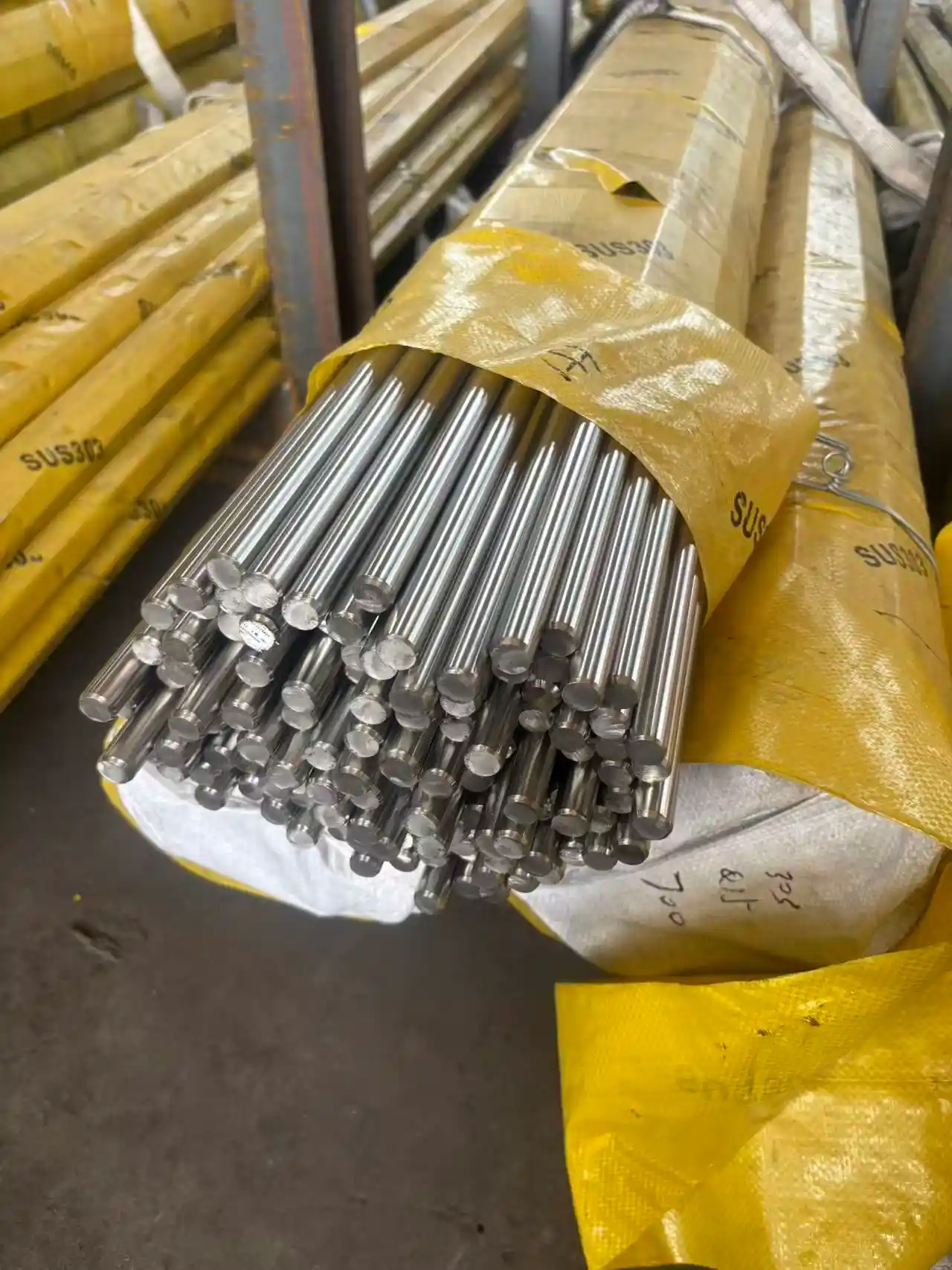
Many Southeast Asia buyers, especially Japanese-invested factories, still ask for SUS303 or JIS G4303 naming when reviewing bar material and documents. This is usually buyer language and document language, not only a chemistry discussion. If the drawing, packing list or internal material approval uses Japanese naming, that wording should be checked early in the sourcing process.
How to Choose Stainless Steel Bar for CNC Turning in Vietnam
For CNC turning in Vietnam, start with the drawing, machine route and expected part environment. 303 stainless steel bar is usually the first grade to review when chip control, faster turning and repeat machining rhythm matter most. 304 stainless steel bar is more practical when the job needs broader daily corrosion resistance, while 316/316L should be reviewed for marine, chloride or chemical exposure.
Verification and Sourcing Tips
When buyers compare 303 and 304, it is better to verify more than the price line. Ask for the Mill Test Certificate first. Then check the heat number, sulfur level, product form and tolerance direction against the drawing or production plan.
If the order is for repeat machining work, it is also worth confirming whether the supply route is round bar, hex bar, cold drawn material or a looser general stock path. A quotation can look acceptable on paper, but still create trouble if the actual bar condition does not match the machining method.
If certificate review is still unclear, read our stainless steel MTC guide. It helps buyers check whether the document side really matches the ordered grade.
Conclusion
303 stainless steel bar and 304 stainless steel bar do not solve the same problem. 303 is usually the better fit when the job is built around CNC machining, Automatic Screw Machining, chip control and tighter process stability. 304 is still useful when the part needs a more general-purpose stainless grade and the machining route is less demanding.
If the part already needs wrench flats, 303 hex bar is often worth reviewing. If the line depends on smoother feeding, h9 tolerance should be part of the discussion early.
Frequently Asked Questions (FAQ)
Q. Is 303 stainless steel bar always better than 304 for CNC machining?
A. Not always. 303 is usually the better fit for high-speed turning, threading and Automatic Screw Machining because it is easier to cut and gives better chip control. 304 is still useful when the part needs more general corrosion resistance and machining efficiency is not the main issue.
Q. When should I use 303 hex bar instead of machining from round bar?
A. Use 303 hex bar when the finished part already needs wrench flats or a hex profile. This can reduce extra milling, reduce chip waste and simplify the process route for nuts, valve parts and similar machined components.
Q. Should I request h9 tolerance for stainless steel bars?
A. Request h9 tolerance when feeding stability, bar straightness and diameter control affect your machining process. It is especially worth reviewing for automatic lathes, bar feeders and repeat production jobs.
Q. How to choose stainless steel bar for CNC turning in Vietnam?
A. For CNC turning in Vietnam, start with the part drawing, machining cycle and corrosion requirement. 303 stainless steel bar is usually reviewed first for easier chip control and faster turning, while 304 is better for general corrosion resistance and 316 is reviewed when chloride or marine exposure matters.
Q. How can I verify whether the bar is really 303 or 304?
A. Ask for the Mill Test Certificate first, then check the heat number, sulfur content and grade identification. If the job is sensitive, buyers can also review spectrometer or XRF confirmation before shipment.
CTA
Send the grade, shape, diameter or across-flats size, tolerance target, quantity and destination to FX Stainless Steel. We can help review whether 303 stainless steel bar or 304/304L stainless steel bar is the better fit for your machining job.