
Beyond Material Grade: 3 Hidden Factors That Determine Stainless Steel Lifespan in Southeast Asia
Grade matters, but it is not the full story. Southeast Asia buyers should also check surface finish, real thickness tolerance and MTC heat-number traceability before approving stainless steel material.
In This Guide
Quick Answer
In Southeast Asia, stainless steel lifespan is not decided by grade alone. 304 and 316L still need the right surface finish, real thickness and MTC heat-number traceability. These checks often explain why two projects using the same grade can age very differently.
3 Hidden Lifespan Factors
Use this table before approving material for coastal, humid or industrial projects.
| Factor | What to Check | Why It Matters | Best Buyer Action |
|---|---|---|---|
| Surface Finish | Brushed, polished, pickled or bright surface | Rougher grain lines can hold salt and dirt | Match finish to cleaning access and exposure |
| Real Thickness | Actual wall, plate or bar size | Lower real thickness reduces corrosion margin | Check tolerance and measure several points |
| MTC Traceability | Heat number and certificate match | Wrong documents weaken material proof | Match MTC, labels and physical marking |
Surface Finish Matters More Than Many Buyers Expect
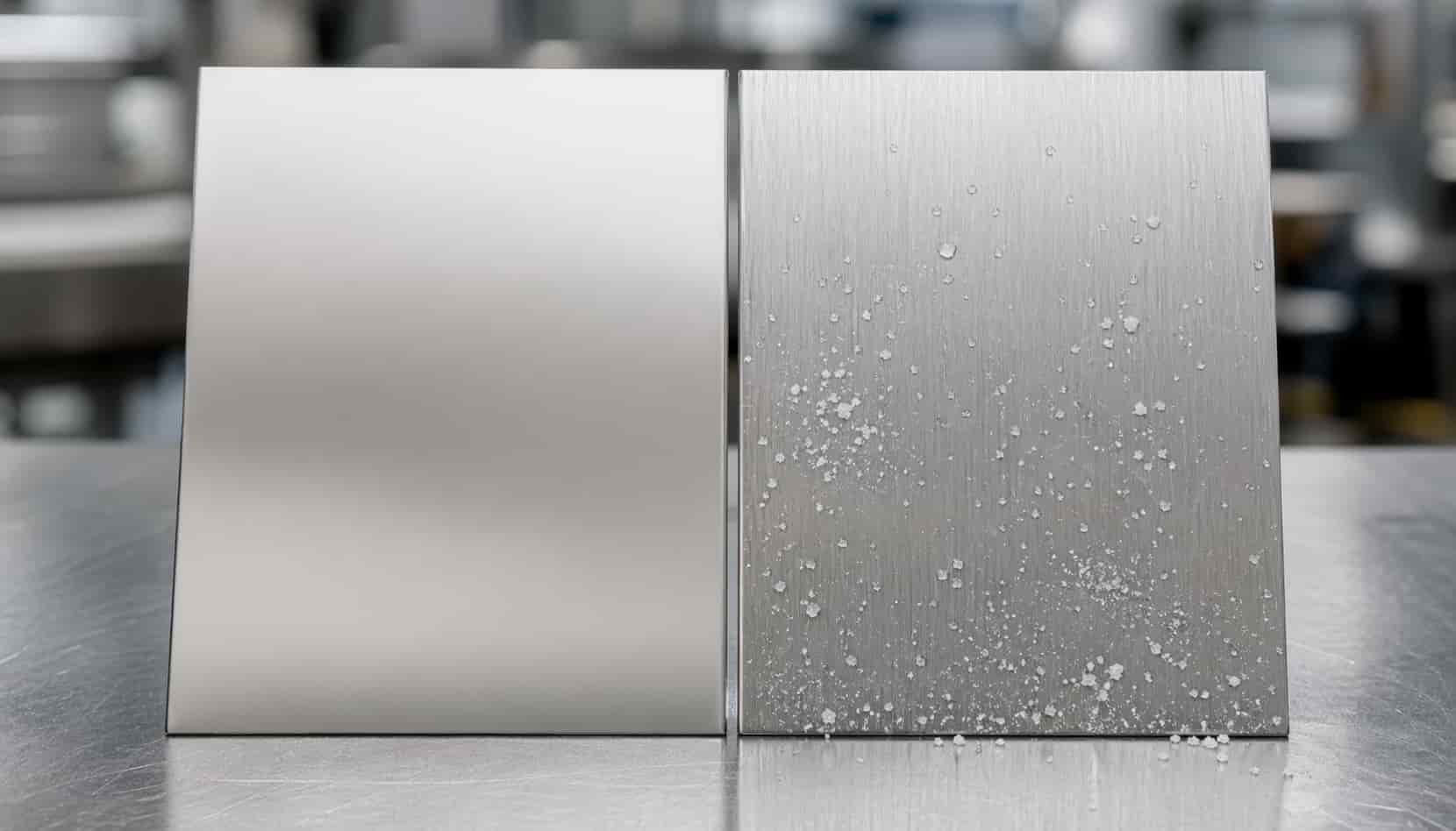
A lot of buyers ask for 304 or 316L first and ask about finish later. Near the coast, that order can be risky. A rough brushed surface can hold salt, moisture and dirt in the grain lines. A smoother finish is often easier to clean.
This is why two lots of 316L may not look the same after service in Singapore, Vietnam or Indonesia. The grade may be correct, but the surface condition changes how fast staining appears.
Thickness Tolerance Is a Service-Life Issue
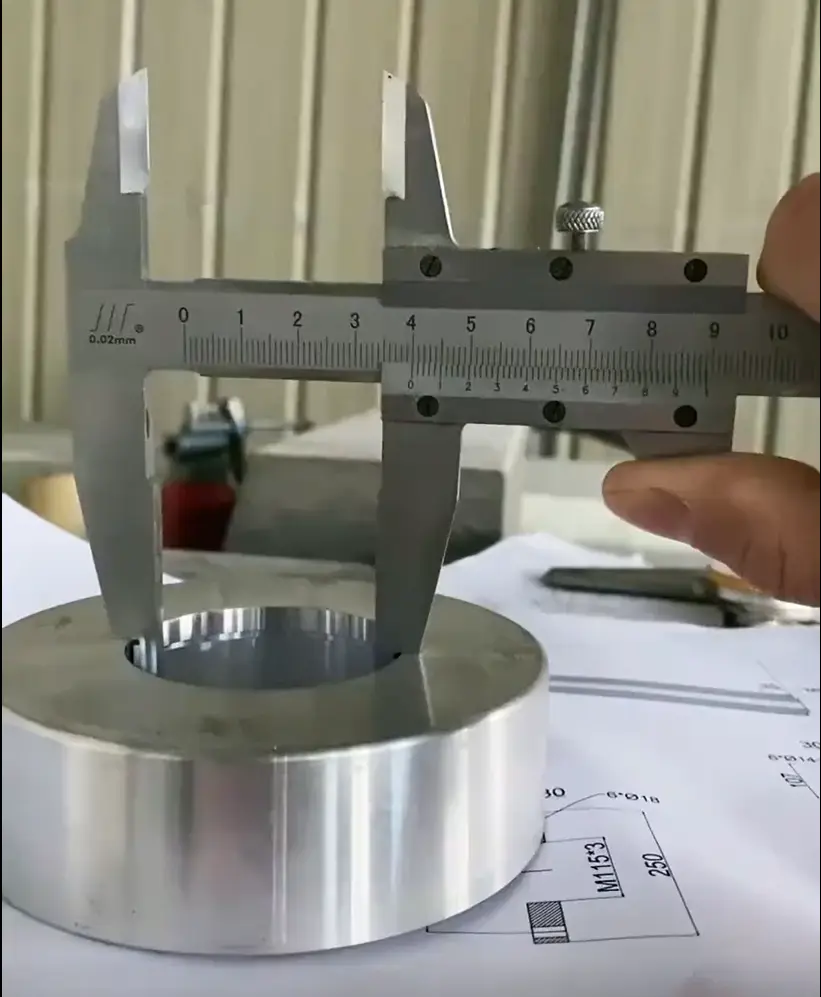
Low prices can hide a lower real thickness. A pipe sold as 2.0 mm may measure close to the low side of tolerance. A plate or bar may still be within tolerance, but have less margin than the buyer expected.
This is not only a strength issue. It is also a corrosion-margin issue. For stainless steel bar parts, this connects directly with tolerance choices such as h9, h10 and h11 for cold drawn bars.
Quick Thickness Check List
- Ask for nominal size and allowed tolerance.
- Check more than one point.
- Compare the result with the drawing and purchase order.
- Treat a thinner wall or undersized bar seriously in coastal service.
MTC vs. Reality
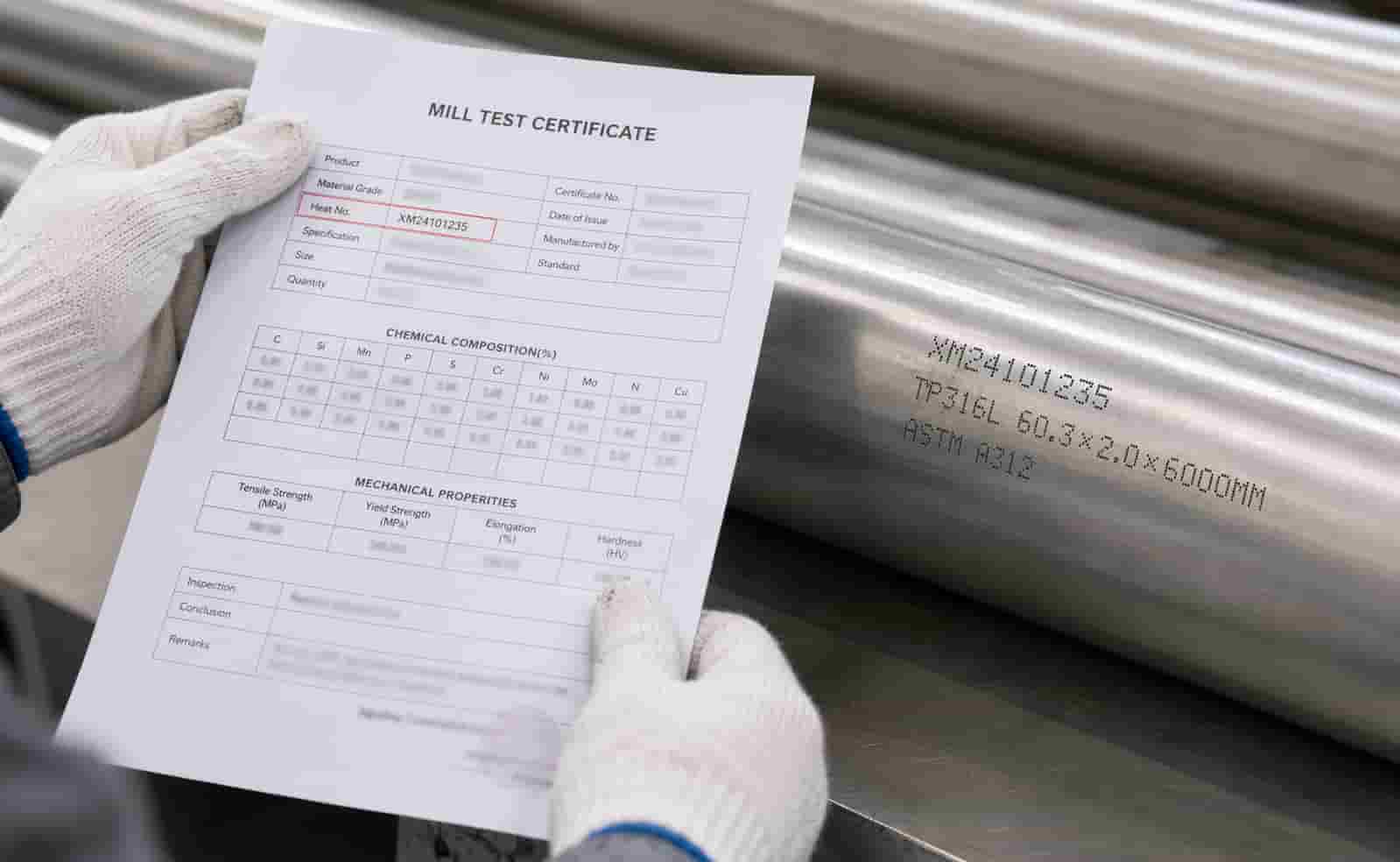
An MTC is useful only when it matches the material. The simple check is this: compare the Heat Number on the document with the marking on the pipe, plate, coil or bar.
If they do not match, stop and ask questions. We explain this with examples in our stainless steel MTC verification guide.
Bar and Shape Decisions Also Matter
For stainless steel bars, service life can also depend on shape, finish and machining route. Round bar, hex bar and square bar may be used in very different parts. A shaft, fastener blank and bracket do not face the same stress or exposure.
If shape choice is still open, review our round bar vs hex bar vs square bar guide before confirming the order.
A Cost-Effective Mixed-Grade Strategy
Not every part of a project needs 316L. Many buyers use 316L for coastal exposure, splash zones, outdoor supports or parts that are hard to replace. They keep 304 for lower-risk indoor areas or sheltered positions.
This can control cost without taking blind risk. The key is to split the application clearly and check finish, thickness and traceability for each area.
Conclusion
Grade still matters. But it is not the full story. If you want longer stainless steel life in Southeast Asia, check the surface finish, check real thickness and match the heat number. These three steps can save more money than arguing over a small price gap.
CTA
If you want a quick review before ordering, send the application, size, finish, quantity and destination to FX Stainless Steel. We can help review whether the grade and specification fit the job before final confirmation.
Frequently Asked Questions (FAQ)
Q. What affects stainless steel lifespan besides grade?
A. Surface finish, real thickness, fabrication condition, cleaning access and MTC heat-number traceability can all affect stainless steel lifespan. Grade is only the starting point.
Q. Why does stainless steel stain faster in coastal Southeast Asia?
A. Salt air, humidity and trapped dirt can speed up staining. Rougher brushed finishes may hold salt in the grain lines, especially in coastal areas such as Singapore and Vietnam.
Q. How does thickness tolerance affect service life?
A. If the real thickness is near the low side of tolerance, the corrosion margin is smaller from day one. This matters for pipe, plate and stainless steel bar parts used in harsher environments.
Q. Why should buyers match MTC heat number before shipment?
A. The Heat Number connects the certificate to the physical material. If the MTC and material marking do not match, the document cannot fully prove the material identity.
Q. Can 304 and 316L be mixed in one project?
A. Yes. Many projects use 316L in coastal, chemical or hard-to-replace areas, and use 304 in lower-risk indoor or sheltered areas to control cost.