
Define the visible finish
State the abrasive grit, target Ra where measurable, polishing direction and any approved sample. The word polished alone does not establish gloss, texture or scratch acceptance.
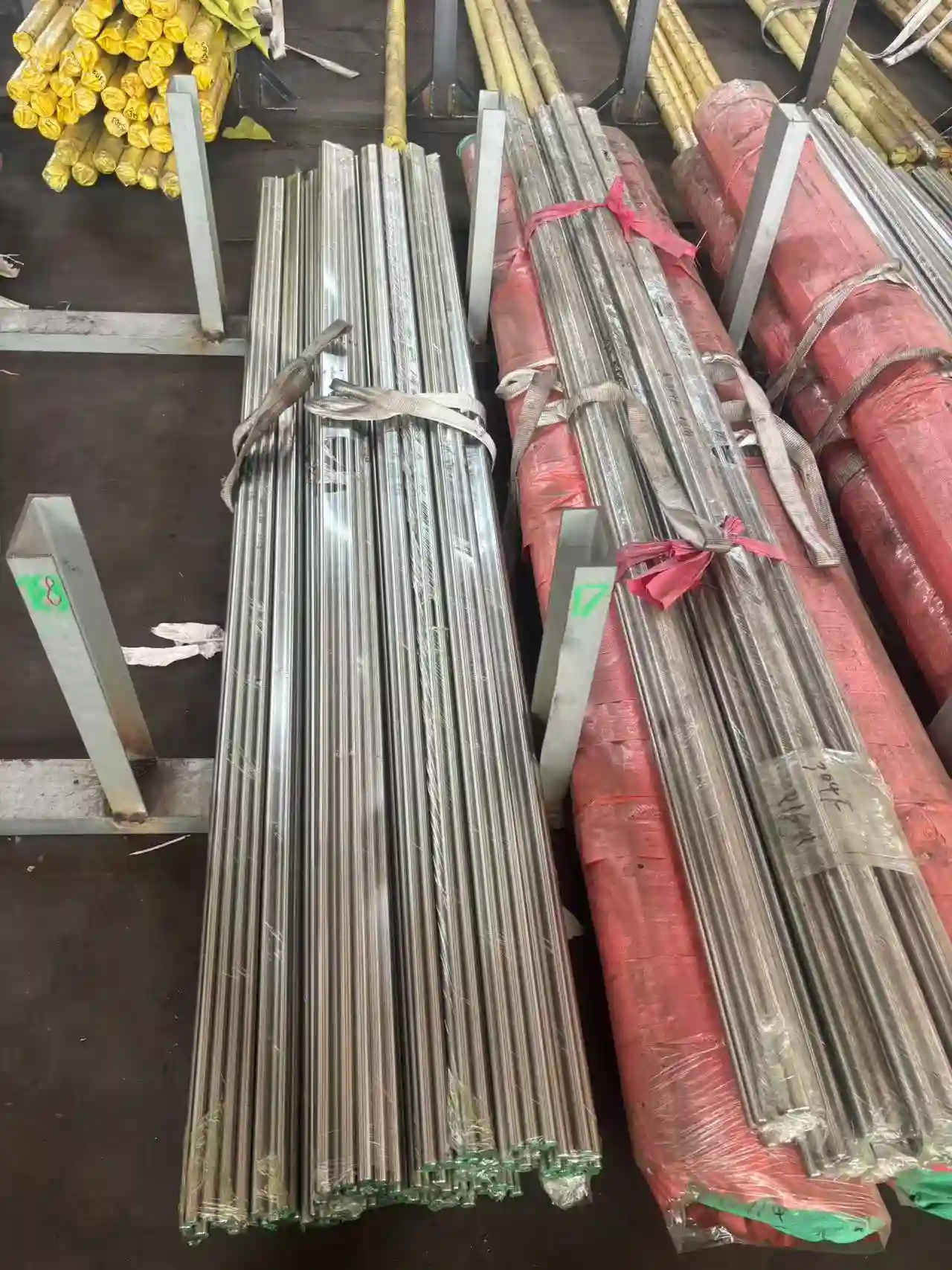
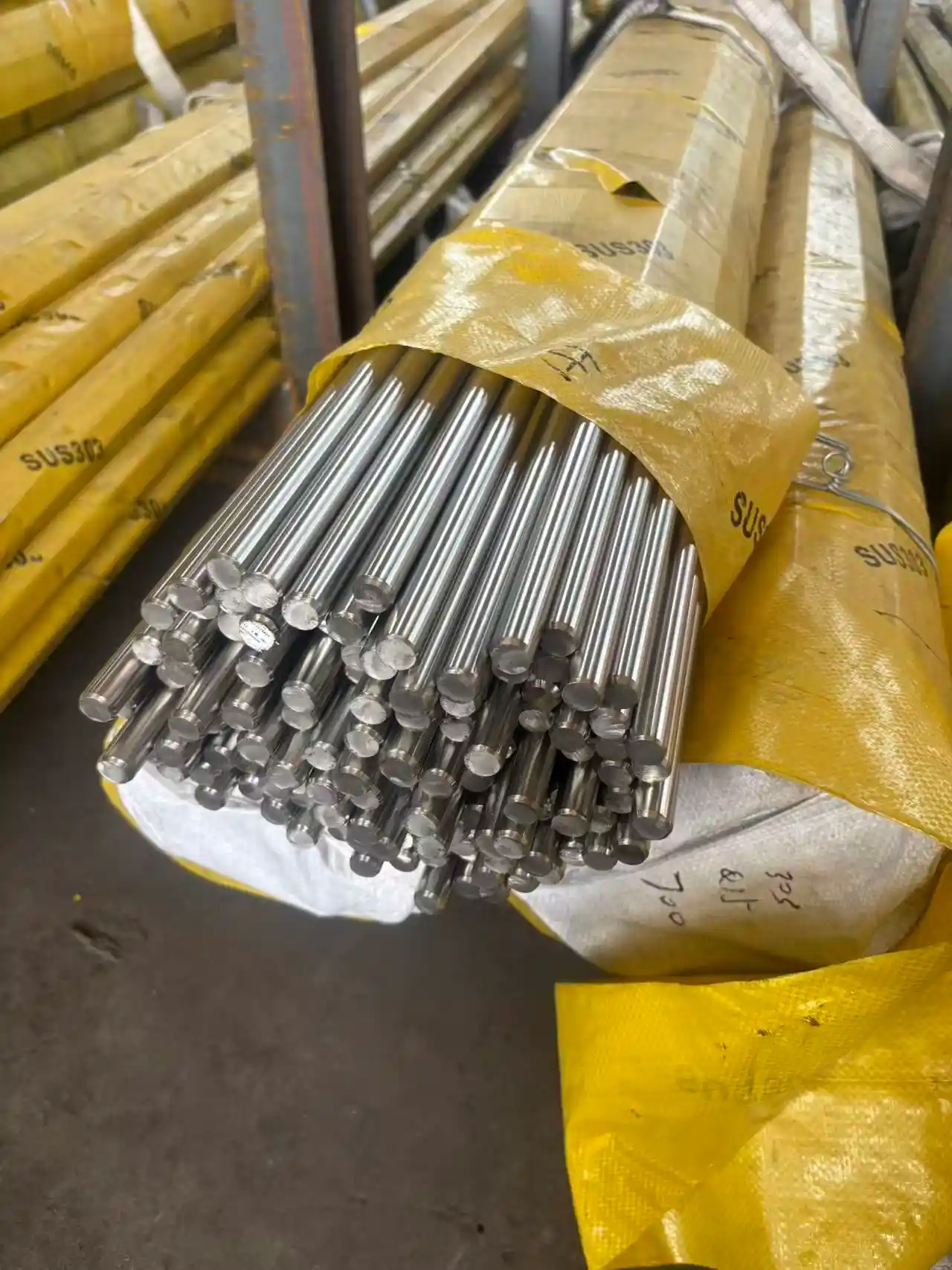
FX Stainless Steel supplies polished round, hex and square bar for equipment makers, fabricators and distributors. We confirm the grade, incoming bar route, final size, grit or Ra requirement, visual acceptance, MTC, length and destination before quotation for Southeast Asia, the Middle East and other export markets.
Common grade routes
Finish acceptance
Bar shapes
Batch traceability
State the abrasive grit, target Ra where measurable, polishing direction and any approved sample. The word polished alone does not establish gloss, texture or scratch acceptance.
Polishing removes a small amount of metal. Put the required diameter, across-flats size or side size after polishing on the RFQ when the finished dimension matters.
304 and 316L answer different service conditions; polishing controls the surface. A smooth appearance does not turn 304 into a marine grade or make every part hygienic.
Start with the finished part. Surface appearance, production route and dimensional precision belong on separate lines of the specification.
| Supply Route | Main Reason to Order It | What It Does Not Prove | Key RFQ Fields |
|---|---|---|---|
| Polished stainless steel bar | Controlled visible texture, gloss, handling surface or cleanup after an earlier bar process | No automatic h9 tolerance, Ra value, passivation or corrosion guarantee | Final size, grit, Ra, direction, sample and scratch acceptance |
| Cold drawn stainless steel bar | Cleaner surface and steadier section size than rough hot-rolled stock | The words cold drawn do not establish final straightness, roundness or h9 | Drawn size, tolerance, straightness and mechanical condition |
| Centerless ground stainless steel bar | Closer cylindrical diameter, roundness and surface control for shafts and CNC feeding | Ground does not mean mirror polished or appearance-matched | Diameter tolerance, roundness, straightness and Ra |
| Peeled stainless steel bar | Outside-layer removal and clean machining stock with allowance for later turning | No decorative finish or precision-ground diameter unless separately specified | Peeled diameter, machining allowance and surface-defect limit |
One order may combine routes, such as cold drawn then polished or peeled then ground. Name the sequence only when it affects the drawing, certificate or inspection plan.
| Order Item | Supply Route | What the Buyer Needs to State |
|---|---|---|
| Grades | 303, 304, 304L, 316, 316L and other specified stainless grades | Exact grade, accepted standard and any low-carbon or dual-certification wording |
| Shapes | Round bar, hex bar, square bar and selected flat profiles | Diameter, across-flats size, side size, or thickness x width |
| Bar standards | ASTM A276 / A484, ASTM A582 where applicable, EN or JIS order wording | Standard required by the drawing, PO or end user |
| Incoming condition | Hot rolled, cold drawn, peeled, ground or another agreed starting route | Any process wording that must appear on the PO or inspection record |
| Polished finish | Abrasive grit, satin or buffed appearance, target Ra, polishing direction or approved sample | Measurable acceptance plus photos or a physical sample for appearance-sensitive work |
| Final size and geometry | Commercial tolerance or stated limits after polishing | Final size, tolerance, straightness, roundness, twist or corner condition as applicable |
| Surface acceptance | Agreed limits for scratches, pits, dents, chatter, spiral lines and color variation | Inspection lighting, viewing distance, reference area or signed sample when appearance controls acceptance |
| Length and ends | Random length, fixed length or cut pieces | Length tolerance, end condition, burr limit and quantity by size |
| Documents | MTC, Heat Number labels, packing list and agreed inspection records | Certificate type, PMI or third-party inspection wording before quotation |
| Packing and destination | Sleeves or separators, waterproof outer wrapping, end protection and clear bundle labels | Destination port, Incoterm, container plan and unloading limits |
Use the bar calculator for round, hex, square or flat sections, then confirm the final polished dimensions and net or gross quotation basis.
Appearance-sensitive bars need consistent polishing direction, gloss and scratch limits across the visible length. Welding and site finishing still affect the final assembly.
A stated Ra and cleanable surface may matter for shafts, supports or equipment parts. Material grade, weld treatment, passivation and equipment design remain separate requirements.
Buyers often pair a 316L grade route with a controlled finish for exposed fittings. Actual chloride level, crevices, maintenance and fabrication determine service suitability.
Polished round, hex or square bar can reduce later cosmetic work when the finished component remains visible. Confirm which faces and corners require the same appearance.
A polished bar order becomes easier to inspect when the PO separates the abrasive route, measured roughness and visual result. Any one of these fields on its own can leave room for disagreement.
The same nominal grit can leave a different result as the starting surface, belt condition, pressure, feed and grade change. It is useful process language, not a universal Ra conversion.
Ra helps with measurable surface control, but it does not fully describe gloss, direction or isolated scratches. State the measurement method and location when the value controls acceptance.
For visible work, an approved sample or signed photo standard helps both sides judge tone, grain direction and acceptable marks before the full batch is polished.
Inspect the polished batch against the PO rather than comparing it with a generic bright-bar photo.
| Checkpoint | Practical Inspection | Why It Matters |
|---|---|---|
| Final size after polishing | Measure the diameter or profile at agreed positions after the last polishing step | Prevents a good-looking bar from falling below the dimensional limit |
| Texture and direction | Compare grain direction, gloss and visible pattern with the approved reference | Mixed orientation becomes obvious after fabrication or installation |
| Scratches, pits and dents | Inspect under agreed lighting and separate isolated handling damage from the intended polish pattern | Most appearance disputes start when no visual limit was agreed |
| Roundness, straightness or twist | Use the geometry check for the actual bar shape and finished length | Surface acceptance cannot replace dimensional inspection |
| Ends and cut pieces | Check length, burrs, end-face marks and edge protection | Cut ends can damage nearby polished surfaces during handling |
| Grade and Heat Number | Match the PO, MTC, bundle label and packing list | A polished appearance cannot identify the alloy or restore broken traceability |
If passivation, electropolishing or a sanitary procedure is required, state it as a separate operation. Mechanical polishing does not include those processes automatically.
We set the packing route from the finish, bar length and destination. Polished bars need non-abrasive contact surfaces and readable batch labels, especially in mixed-grade or mixed-size shipments.
Sleeves, soft separators or suitable inner wrapping reduce bar-to-bar rubbing. The exact method depends on size, shape, finish and unloading plan.
Grade, Heat Number, size and bundle ID need to remain readable without opening every layer before receiving inspection.
Straight 6 m bars do not follow the normal loading route for a standard 20ft container. Confirm shorter lengths, a 40ft container or another freight plan before fixing the quotation.
Laem Chabang, Cat Lai, Port Klang and Jebel Ali orders may have different handling, moisture and unloading assumptions. Destination details belong on the RFQ.
Browse round, hex, square, flat, peeled, cold-drawn and ground bar supply routes.
Start with the diameter, grade, incoming condition and cutting plan before adding a polished finish.
Use the cold-drawn route when section consistency and a clean starting surface matter before later finishing.
Use the ground route when cylindrical diameter, roundness and roughness control take priority over decorative appearance.
Compare common finish language, then keep sheet terms such as 2B and BA separate from polished bar acceptance.
Match grade wording, chemistry, Heat Number, bundle labels and packing list before cargo release.
Use the 303 route when machining performance drives the grade, then confirm whether the polished appearance meets the end use.
Check general-purpose 304, low-carbon 304L and MTC-supported dual-certification wording before surface finishing.
Check molybdenum-bearing chemistry and service conditions when chloride exposure affects the material decision.
Polished stainless steel bar is bar stock finished with abrasive or buffing steps to create an agreed surface texture, gloss or roughness. The base bar may be hot rolled, cold drawn, peeled or ground first. The PO still needs the final size, grade and measurable surface acceptance.
Not always. Bright bar is broad market wording and may describe cold-drawn, peeled, ground or polished stock. If the surface matters, name the actual route and state grit, Ra, direction or a reference sample instead of relying on the word bright.
No. Polishing controls the surface and removes a small amount of material; h9 controls size deviation for a stated nominal dimension. Put the final size and tolerance after polishing on the order. Centerless grinding may be the clearer route for tight cylindrical control.
State the grade, shape, final size, abrasive grit, target Ra where required, polishing direction, visible defect limits and approved sample. Also add length, MTC, packing and destination. Grit alone does not guarantee one universal roughness or gloss.
Yes. Both grades can receive mechanical polishing, but the grade choice must follow the service environment and project documents. A polished surface does not give 304 the alloy chemistry of 316L or guarantee corrosion performance.
Yes, selected stock grades and sizes can support a 100 kg trial order. Custom polishing setup, uncommon profiles, strict appearance matching, testing or special packing may require a different minimum.
Share the grade, shape, final dimension, grit or Ra, approved sample, length, quantity, MTC needs and destination. We will confirm the incoming bar route, polishing option, inspection points and export packing.
Send Polished Bar RFQ