
Use it for repeat machining
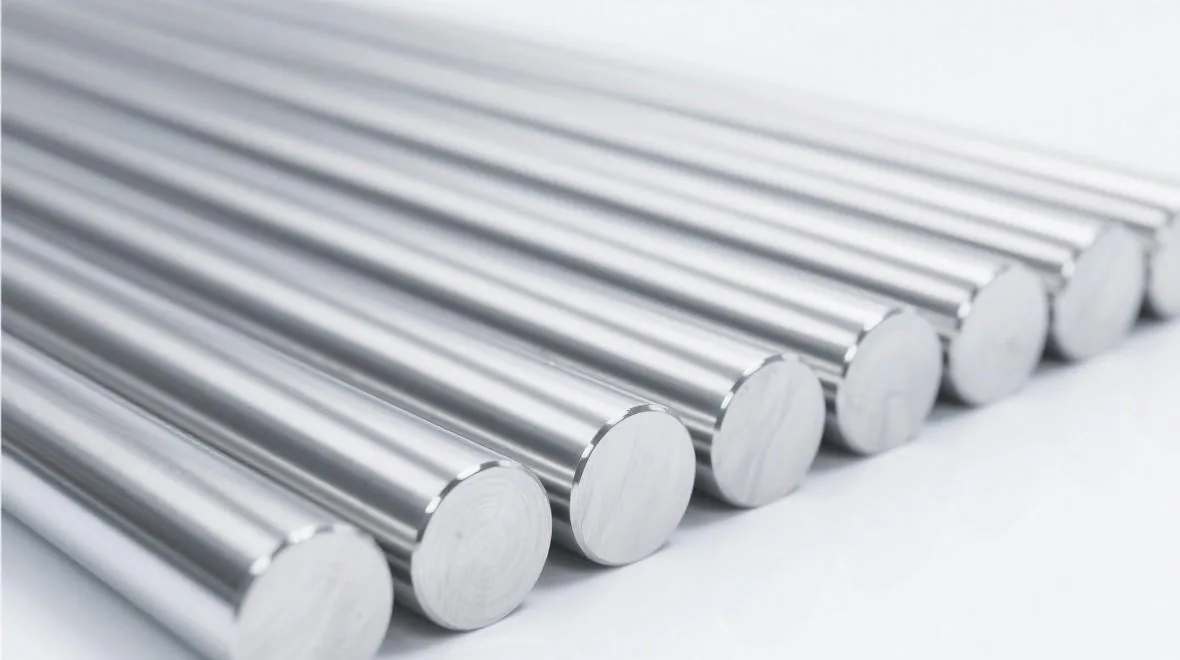
Cold drawing gives a cleaner surface and steadier section size than rough hot-rolled stock. It suits bar-fed CNC parts when the agreed drawn tolerance and straightness fit the machine.
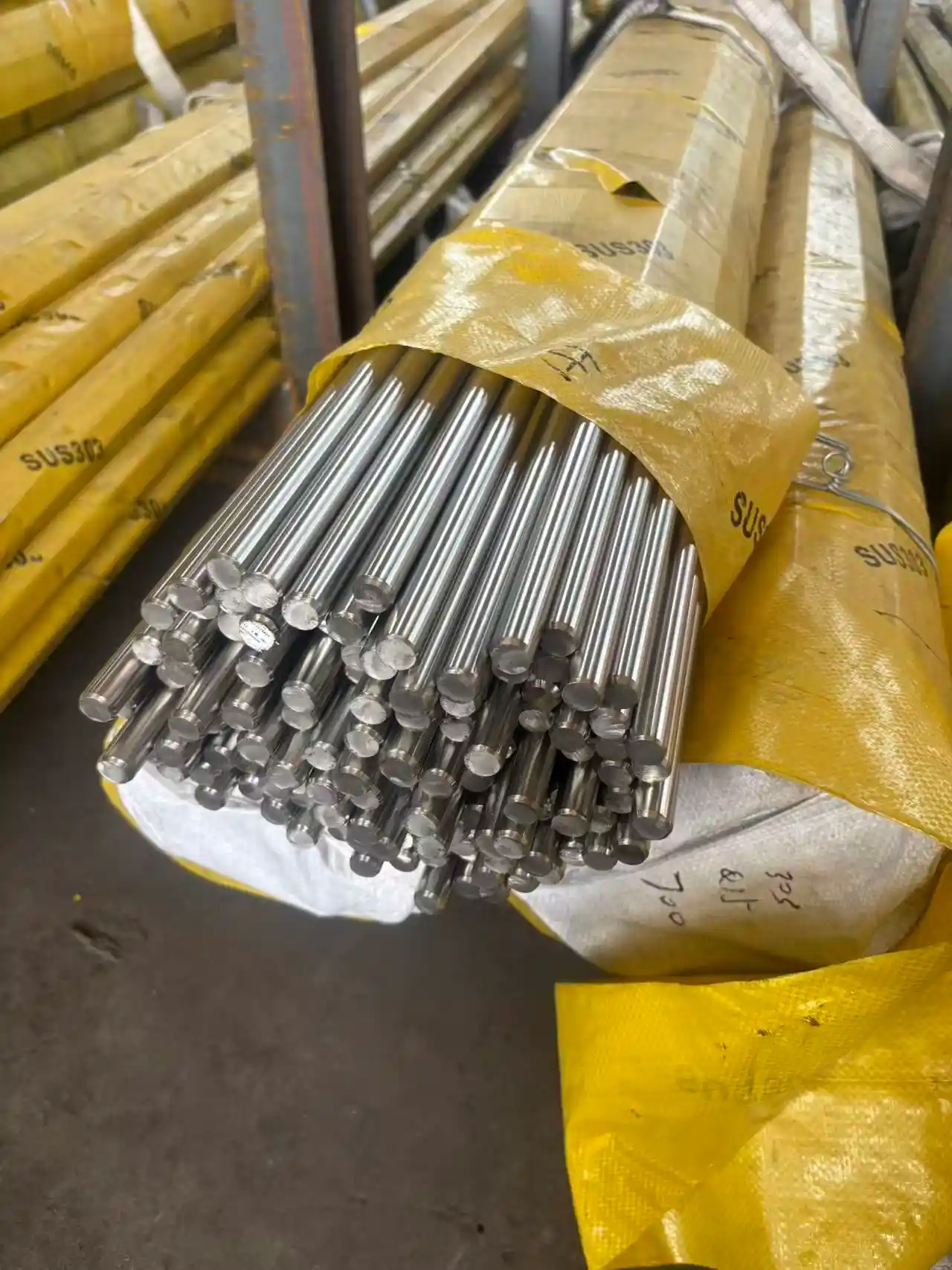
FX Stainless Steel supplies cold drawn round, hex and square bar for CNC workshops, component makers and distributors. We confirm grade, drawn size, tolerance, straightness, mechanical condition, cut length, MTC and destination before quotation; h9 is supplied only when the size and finishing route support it.
Overall bar inventory
Selected stock sizes
Core grade routes
Batch traceability
Cold drawing gives a cleaner surface and steadier section size than rough hot-rolled stock. It suits bar-fed CNC parts when the agreed drawn tolerance and straightness fit the machine.
An h9, h10 or h11 class controls size deviation for a stated nominal dimension. Straightness, roundness and surface roughness remain separate order fields.
Peeled bar suits outside-layer removal and machining allowance. Centerless ground bar is clearer when tighter diameter or cylindrical surface control is required.
Choose the incoming condition from the finished part and the first machining operation, not from the brightest warehouse photo.
| Bar Route | What the Process Does | Common Starting Use | Order Boundary |
|---|---|---|---|
| Hot rolled bar | Forms the section at high temperature and leaves scale or a rougher surface | Larger sizes, fabrication and parts with substantial stock removal | State machining allowance, surface acceptance and straightness |
| Cold drawn bar | Reduces the section through a die and cold-works the material | Repeat CNC turning, pins, fittings, fasteners and bright bar supply | State size tolerance, straightness and mechanical condition |
| Peeled bar | Removes an outside layer with cutting tools | Machining stock that needs surface cleanup before final turning | State finished peeled diameter and remaining allowance |
| Centerless ground bar | Grinds the outside diameter after an earlier bar route | Precision shafts, close collets and near-finished cylindrical stock | State diameter tolerance, roundness, roughness and straightness |
A process name alone does not establish the final tolerance or inspection method.
| Order Item | Available Route | What the Buyer Needs to State |
|---|---|---|
| Grades | 303, 304, 304L, 316, 316L and other specified grades | Named grade, standard and any low-carbon or dual-certification requirement |
| Shapes | Round, hex, square and selected flat profiles | Diameter, across-flats size, side size, or thickness x width |
| Product standards | ASTM A276 / A484, ASTM A582 for applicable free-machining bar, EN or JIS wording | Exact standard and edition required by the drawing or end user |
| Size tolerance | Commercial drawn tolerance or h11 / h10 / h9 where the route supports it | Nominal size plus the tolerance class or upper and lower limits |
| Straightness and geometry | Agreed by size, shape, grade and length | Numeric straightness, roundness, twist or corner requirement when applicable |
| Surface | Cold drawn / bright, polished after drawing, or separate ground route | Allowed marks, roughness value and downstream stock removal |
| Mechanical condition | Drawn condition or specified heat-treatment route | Hardness, tensile, yield or elongation requirement when the part controls it |
| Length and cutting | Random length, fixed length or cut blanks | Length, saw tolerance, end condition and quantity by size |
| Documents | MTC, Heat Number labels, packing list and inspection records as agreed | Certificate type, PMI or third-party inspection wording before quotation |
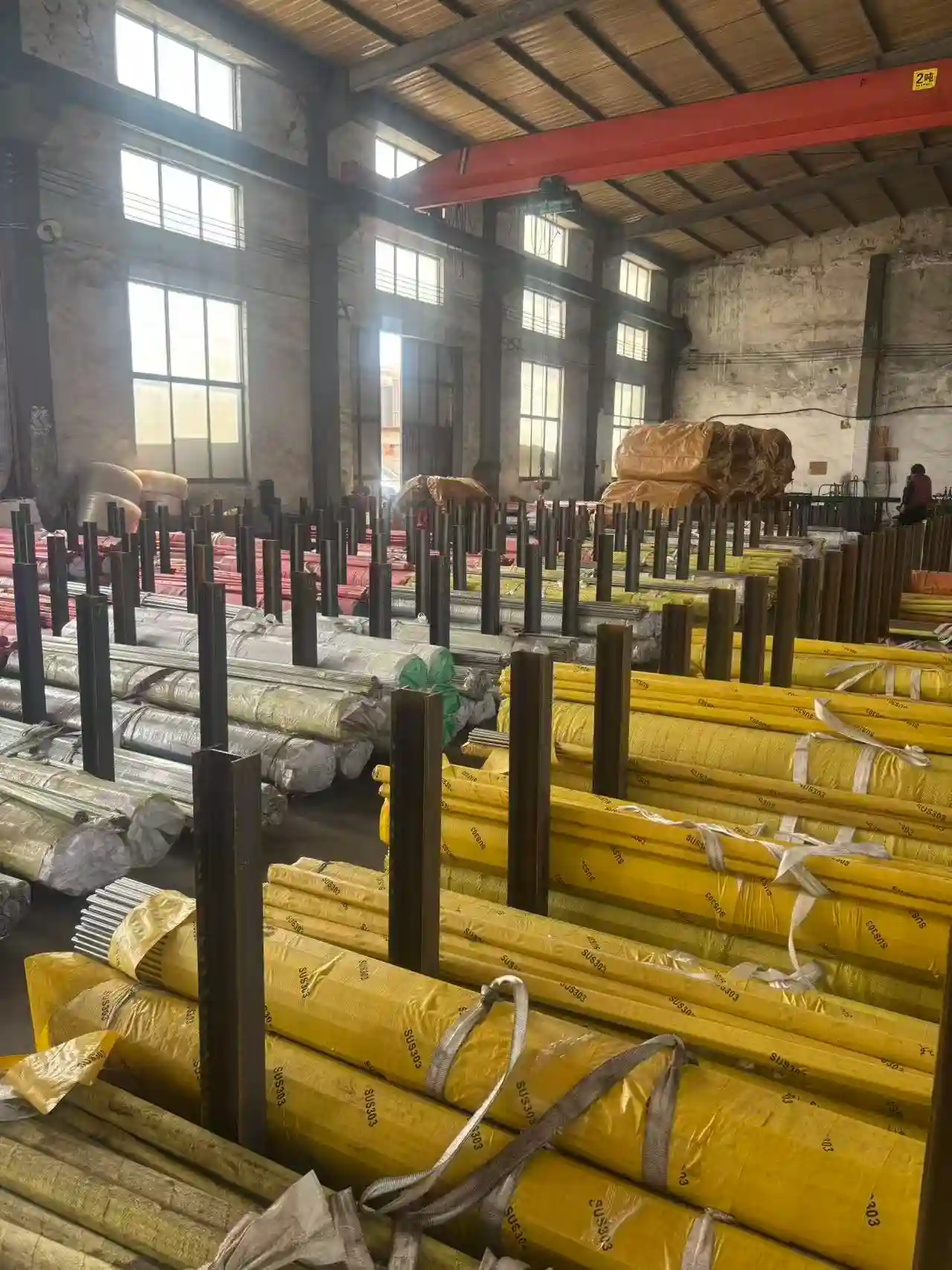
| Packing and destination | Protected bundles for sea freight | Destination port, Incoterm, container type and unloading limits |
Use the bar calculator for round, hex, square or flat sections, then confirm actual dimensions, tolerance and net or gross weight in the quotation.
A consistent incoming section and stated straightness reduce feeding surprises. Close collets still need a numeric diameter tolerance rather than the words bright bar.
Cold drawn stock works when the machining allowance and supplied surface fit the final diameter. Near-net shafts may justify a separate ground route.
Across-flats size, side size, twist and corner condition matter more than round-bar diameter language for fittings, fasteners and blocks.
A selected stock size can support first-article machining before a repeat order. Keep the grade, Heat Number and incoming condition consistent across each approved batch.
Drawing through a die improves section consistency and surface condition while cold-working the material. The amount of reduction, grade and later heat treatment affect the delivered condition, so dimensional and mechanical requirements belong on the order separately.
Strength and hardness may rise while ductility changes, depending on reduction and heat treatment. Use the required mechanical values and MTC instead of assuming one drawn condition.
Bright bar describes appearance or a family of finished routes. It does not set h9, straightness, roundness or roughness by itself.
If the order needs close cylindrical diameter and surface control, name centerless grinding and its acceptance values rather than stretching the cold drawn label.
An inspection sheet needs measured values and locations. A single statement such as size OK is not enough for a bar-fed machining order.
| Checkpoint | How to Check | Why It Matters |
|---|---|---|
| Diameter or profile size | Measure near both ends and at the middle; rotate the measurement where ovality is relevant | Confirms fit in collets, fixtures and the first machining operation |
| Straightness | Use the agreed support span and dial-indicator or project method | Limits bar-feeder vibration, runout and unstable cutting |
| Roundness, twist and corners | Apply the geometry check that matches round, hex or square bar | Prevents one shape from being accepted with another shape's inspection language |
| Surface and roughness | Record marks under agreed lighting and measure Ra when the drawing names it | Brightness alone cannot prove surface acceptance |
| Length and ends | Check fixed length, saw tolerance, burrs and end protection | Avoids extra facing work and packing damage |
| MTC and Heat Number | Match the PO, MTC, bundle labels and packing list | Keeps grade and batch traceability connected to the shipped bars |
PMI identifies alloy chemistry for critical orders; it does not replace dimensional or mechanical-condition checks.
We prepare bundles around the agreed bar length, surface and destination. Each shipment needs readable grade, Heat Number, size and bundle identification, with grades or heats separated in mixed orders.
Shorter lengths can simplify container loading and local handling, but the cutting tolerance and end condition still need agreement.
Straight 6 m bars do not fit through the normal loading route of a standard 20ft container. Confirm a 40ft container, shorter length or another shipping plan.
For Laem Chabang, Cat Lai, Port Klang or Jebel Ali shipments, state the destination before fixing length, bundle weight and container assumptions.
See drawing, straightening, dimensional inspection and packing in our family mill.
Compare surface removal, cold work, machining allowance and inspection before choosing the incoming condition.
Check shaft-size deviations without treating one process route as a tolerance guarantee.
Use the ground route when diameter, roundness and cylindrical surface need tighter control.
Use peeled stock when outside-layer removal and machining allowance drive the incoming condition.
Match grade wording, chemistry, Heat Number, bundle labels and packing list before cargo release.
Browse round, hex, square, flat, peeled and precision-finished bar supply routes.
Use the 303 route when chip control and repeat machining take priority over the corrosion margin of 304.
Check general-purpose 304, low-carbon 304L and MTC-supported dual-certification wording.
Check molybdenum-bearing chemistry and low-carbon wording for chloride-sensitive or project-controlled parts.
Cold drawn stainless steel bar is prepared bar pulled through a die to reduce and control its cross-section. The route gives a cleaner surface and steadier dimensions than rough hot-rolled stock while cold-working the material. Final tolerance, straightness and mechanical condition still need written requirements.
No. An h9 designation controls size deviation for a stated nominal dimension. Availability depends on the grade, size and finishing route. Straightness, roundness and surface roughness remain separate requirements, and tighter cylindrical control may need centerless grinding.
Not exactly. Cold drawn bar commonly has a bright surface, but bright bar is a commercial description that may include more than one finished route. State cold drawn, polished or ground as required, then add the measurable tolerance and surface criteria.
Cold drawing reduces the section through a die and cold-works the material. Centerless grinding removes a smaller amount from the outside diameter after an earlier bar route. Ground bar is the clearer choice when the order controls cylindrical diameter, roundness or roughness more tightly.
Yes, selected stock grades and sizes can support a 100 kg trial order. Special drawing, grinding, cutting, testing or uncommon dimensions may require a different minimum quantity. The 1,000+ ton figure refers to overall bar inventory, not every cold drawn item.
Send the grade, standard, shape, nominal size, size tolerance, straightness, surface, mechanical condition, length, quantity, MTC needs and destination. Include roundness, roughness, hardness or cut-length tolerance when the drawing controls them.
Share the grade, standard, shape, nominal size, tolerance, straightness, surface, mechanical condition, length, quantity and destination. We will confirm stock availability, drawing or grinding options, MTC requirements and export packing.
Send Cold Drawn Bar RFQ