
Stainless Steel Hex Bar for CNC Machining: How to Reduce Extra Milling
Learn when stainless steel hex bar can reduce extra milling for CNC parts, fasteners, couplings and valve components.
In This Guide
Introduction
Some CNC buyers start every job from round bar. That works for many parts, but it is not always the most efficient route.
If the final part needs wrench flats, a nut shape, a coupling profile or valve flats, stainless steel hex bar may reduce extra milling.
This is a small detail, but it can matter in repeat production.
Quick Answer
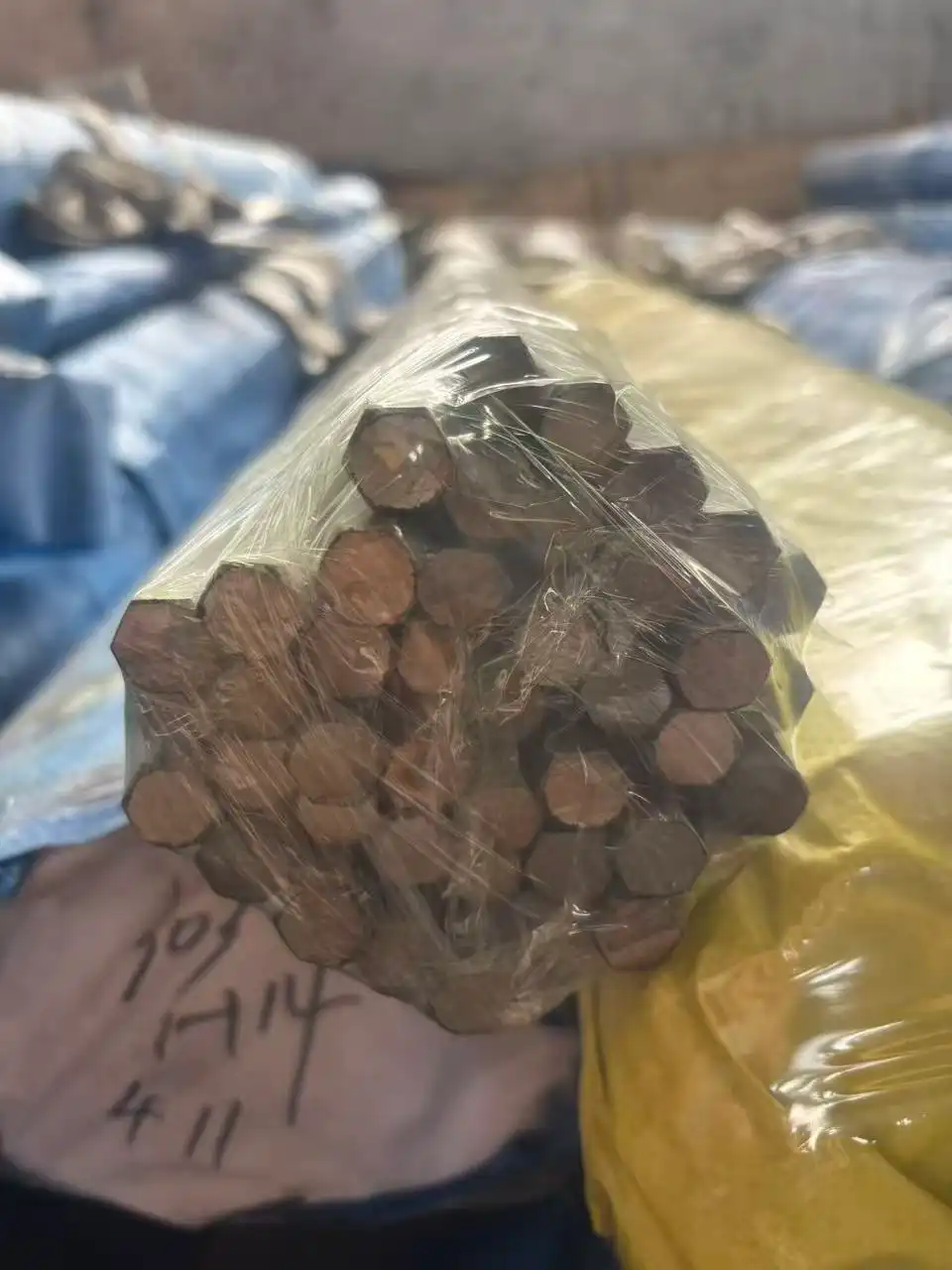
Stainless steel hex bar is useful when the final part needs a hex profile or flat sides. Starting from hex bar can reduce extra milling when the across-flats size matches the drawing.
For machining buyers, the key is to confirm grade, across-flats size, tolerance and final part geometry before ordering.
What Across-Flats Size Means
Hex bar size is often discussed as S size or across-flats size. This is the distance between two opposite flat sides of the hex profile.
Do not treat it like round diameter. The drawing should clearly state the required across-flats size and tolerance.
If the buyer sends only weight and grade, the supplier may not know whether the hex bar is suitable for the final part.
Where Hex Bar Saves Work
Hex bar can help when the final part keeps a hex shape or flat wrench area.
Common examples include:
- nuts
- couplings
- valve parts
- connector bodies
- fastener blanks
- wrench-flat machined parts
The saving comes from starting closer to the final shape. If the part would otherwise require milling flat sides from round bar, hex bar may reduce machining time.
Grade Choice: 303, 304, 316 or Other Requested Grades
The shape is only one part of the decision. Grade still matters.
303 stainless steel hex bar is often reviewed for CNC machining and automatic screw machining because it supports easier chip control. 304 hex bar is a practical general-purpose choice. 316 hex bar is reviewed when corrosion risk is higher. Other requested grades can also be checked by drawing, stock condition and document requirement.
If machinability is the main question, compare the grade logic in our 303 vs 304 stainless steel bar CNC guide.
Hex Bar Selection Table
| Buyer Need | Practical Direction | Why It Matters |
|---|---|---|
| Easier CNC cutting | Review 303 hex bar | Better machinability and chip control than 304 in many jobs |
| General stock supply | Review 304 hex bar | Balanced grade for routine industrial use |
| Corrosion risk | Review 316 hex bar | Better path for chloride or harsher environments |
| Faster profile machining | Confirm across-flats size | Reduces extra milling only when the profile matches the drawing |
| Repeat production | Confirm MTC and batch | Keeps grade and heat number traceability clearer |
Southeast Asia Buyer Fit
In Vietnam, Thailand and Indonesia, many workshops produce fasteners, fittings, valve parts and small machined components. Some are export-oriented factories that care about stable cutting, document matching and repeat order consistency.
For these buyers, hex bar is not just a shape. It is a process decision. The right hex stock can save time. The wrong across-flats size can create extra work.
How to Specify Stainless Steel Hex Bar
A useful hex bar inquiry should include:
- grade: 303, 304, 316 or another requested grade
- across-flats size
- tolerance requirement
- cut length
- quantity
- finish requirement
- final part use
- destination country or port
FX Stainless Steel supports 1,000+ tons stainless steel bar ready stock across common bar supply paths. Current availability depends on grade, size, finish and cutting requirement.
Conclusion
Stainless steel hex bar is useful when the part shape supports it. It can reduce extra milling, improve workflow and make repeat production easier to plan.
But the buyer must confirm the drawing first. Grade, across-flats size and tolerance decide whether hex bar is truly the right starting material.
Frequently Asked Questions (FAQ)
Q. What is stainless steel hex bar used for?
A. Stainless steel hex bar is used for nuts, couplings, valve parts, fastener blanks and machined parts that need wrench flats.
Q. How can hex bar reduce extra milling?
A. If the final part already needs a hex profile or flat sides, starting from hex bar can reduce the amount of profile milling required.
Q. Is 303 hex bar good for automatic screw machining?
A. Yes. 303 hex bar is often reviewed when machinability, chip breaking and repeat turning are important.
Q. What should I send for a stainless steel hex bar quote?
A. Send grade, across-flats size, tolerance, cut length, quantity, final part use and destination.
CTA
Send your grade, across-flats size, tolerance, cut length, quantity and destination. FX Stainless Steel can review whether stainless steel hex bar is practical for your CNC machining job.