Good fit for chloride exposure
316L plate is often used for coastal environments, chloride-bearing water, chemical handling, water treatment equipment and projects where 304 may not give enough corrosion margin.
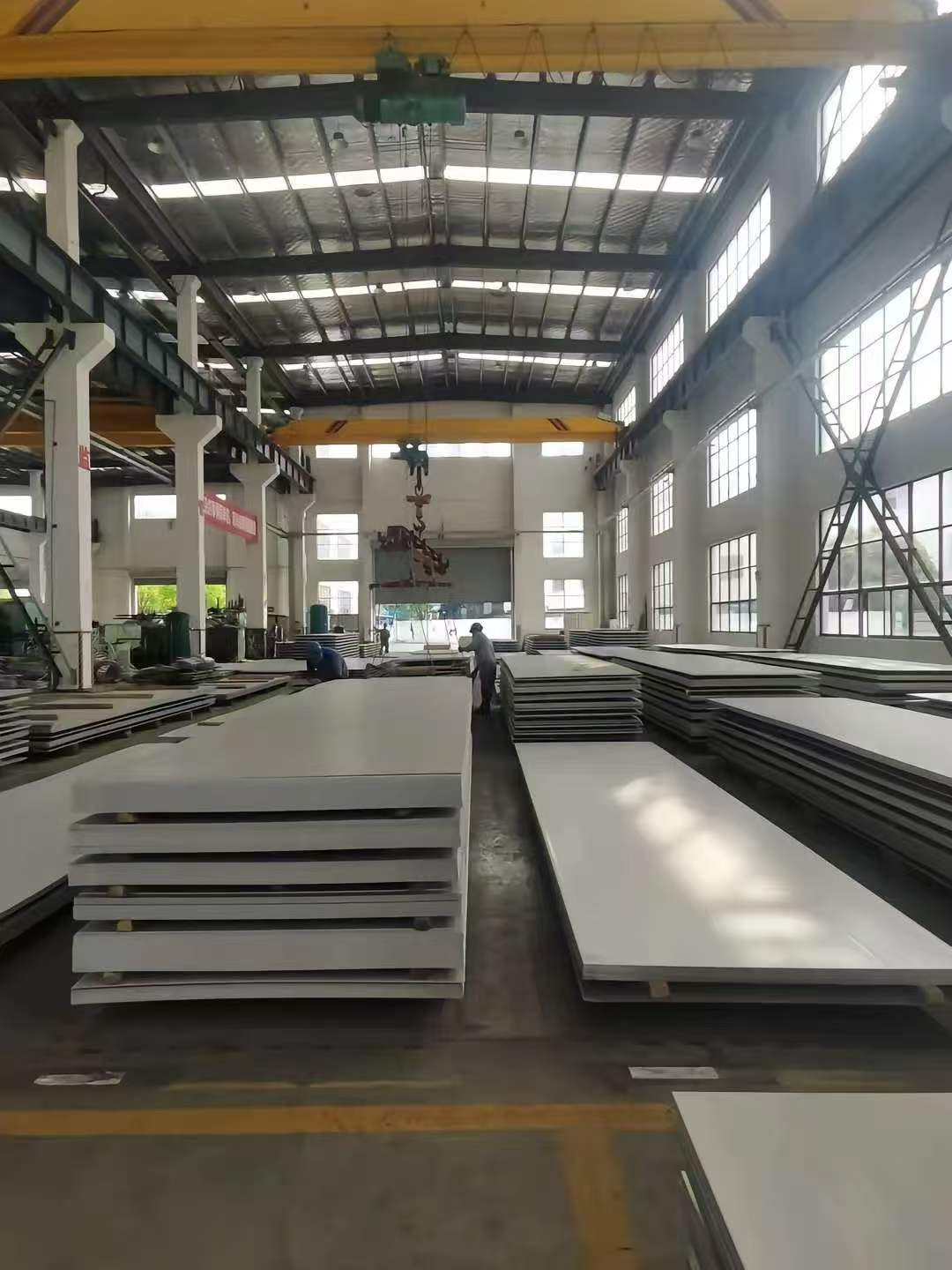
FX Stainless Steel is a China-based 316 / 316L stainless steel plate supplier for ASTM A240 plate and sheet orders, from trial quantities to project shipments. Send grade wording, thickness, surface finish, size, quantity, destination and MTC needs so we can confirm stock, cutting route and export packing for Southeast Asia, Middle East and global buyers.
Common grade names
Common plate standard
Surface options
Document support
316L plate is often used for coastal environments, chloride-bearing water, chemical handling, water treatment equipment and projects where 304 may not give enough corrosion margin.
For dry indoor panels, general cabinets or low-risk fabrication, 304 may be enough. Compare the service environment before paying for 316L.
Confirm whether the order needs 316, 316L, UNS S31603, EN 1.4404 or exact ASTM A240 wording on documents.
316 and 316L stainless steel plate are commonly selected when the service environment needs the extra pitting resistance that molybdenum provides. The final choice should still follow the drawing, service condition and document requirement, not only the grade name.
Salt spray, process water, cleaning chemicals, outdoor coastal air and temperature all affect whether 316L is suitable.
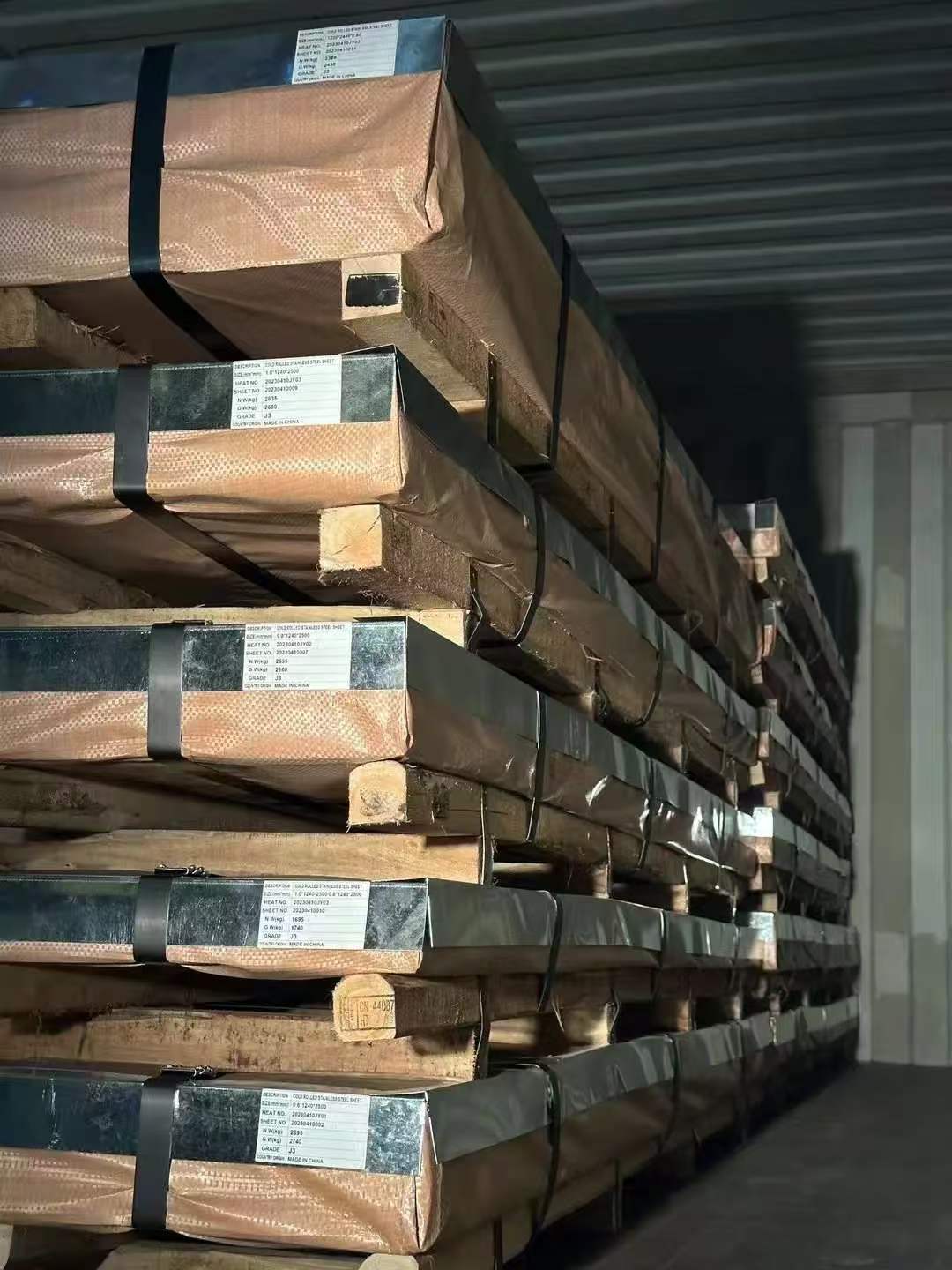
PO, MTC, label, invoice and packing list wording should be aligned before shipment.
Sending only 'stainless plate' without grade and size will delay the quote. Give us the full spec — grade, standard, thickness, surface, size and quantity — and we'll confirm a workable supply route.
| Item | Common Wording | Buyer Note |
|---|---|---|
| Grade names | 316 / 316L / SUS316L / EN 1.4404 / EN 1.4401 / UNS S31603 / UNS S31600 | Use the exact drawing or PO wording when MTC and labels must match |
| Standards | ASTM A240 / JIS G4304 / EN 10088 / GB/T | Confirm ASTM A240 316L plate wording on the PO, MTC and labels before shipment. |
| Thickness | Cold rolled sheet and hot rolled plate | Availability depends on thickness, surface finish, cutting plan and current material condition. |
| Surface | 2B / No.1 / No.4 / HL / BA | 2B is common for cold rolled sheet; No.1 is common for hot rolled plate; visible panels may need No.4 or HL |
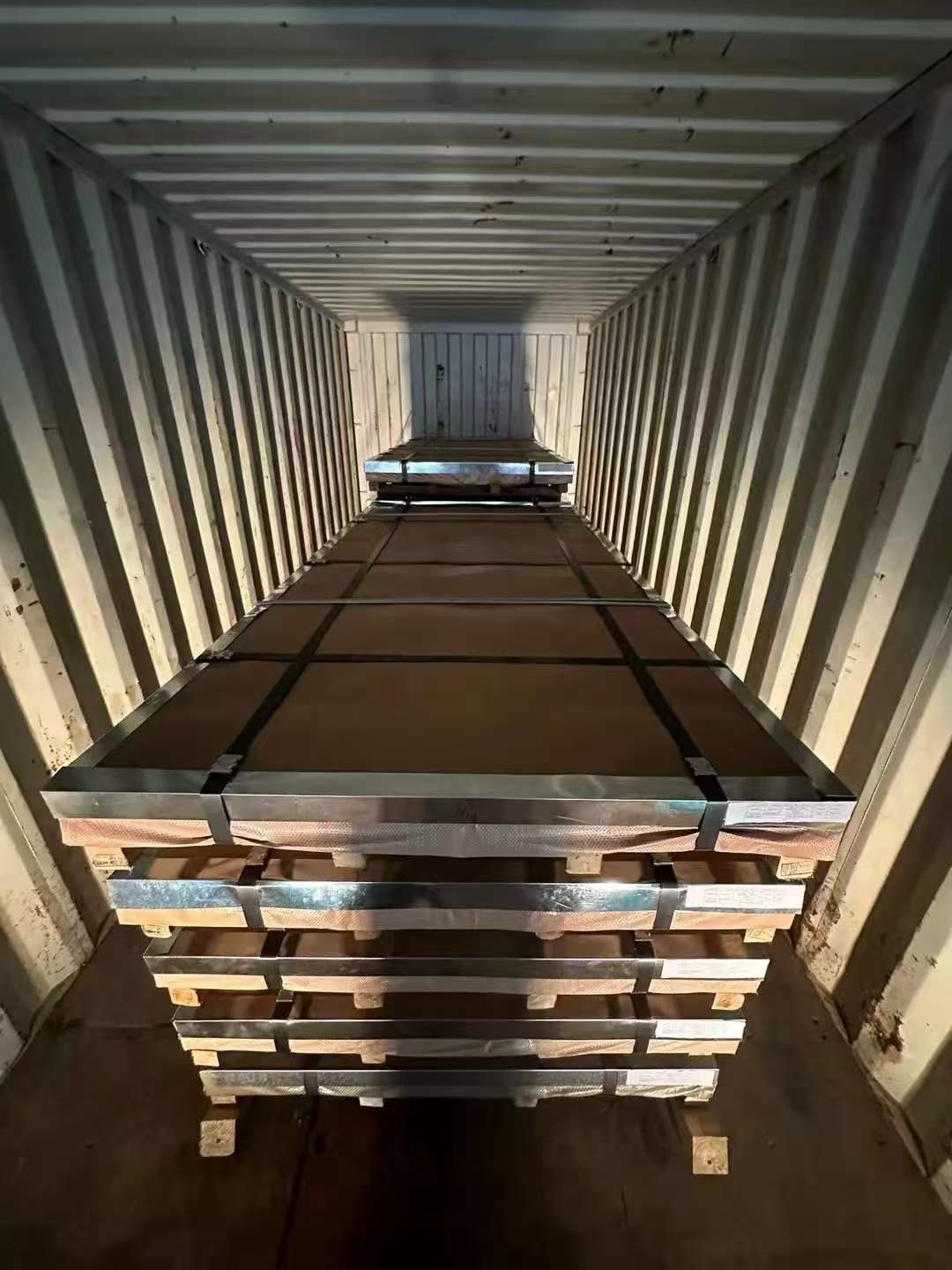
| Documents | MTC / heat number / labels / export packing | Important for project approval, import checks and receiving inspection. |
Check estimated plate or sheet weight by thickness, width, length and quantity before quotation.
316L sheet and plate are often used for coastal equipment covers, outdoor panels and parts exposed to salt-bearing air.
Use 316L plate for tanks, covers, trays and fabricated parts when the process environment is too demanding for 304.
316L is commonly specified for water treatment skids, filter housings, pipe supports and wet equipment areas.
Some buyers move from 304 to 316L when cleaning chemistry, salt content or approval requirements call for a higher grade.
This table helps buyers describe a 316L plate or sheet inquiry before quotation. Availability depends on thickness, size, surface, cutting and quantity.
| Inquiry Path | Typical Wording | Common Surface | Typical Use | Buyer Note |
|---|---|---|---|---|
| 316L stainless steel sheet | Thin sheet, standard size or cut sheet | 2B / No.4 / BA | Panels, covers, wet equipment | Confirm protective film and surface direction when appearance matters |
| 316 stainless steel plate | Heavier plate, full plate or cut-to-size | No.1 / industrial finish | Tanks, frames, chemical equipment | Confirm whether 316 or 316L is mandatory on MTC |
| ASTM A240 316L plate | Formal ASTM order wording | As required by order | Projects needing clear specification wording | PO, MTC, labels and packing list should use consistent grade naming |
A workable inquiry can be written like this: ASTM A240 316L stainless steel plate, 6 mm x 1500 mm x 3000 mm, No.1 surface, 5 tons, MTC required, for coastal equipment fabrication, destination Chile. Adding the service environment helps the supplier avoid treating the order like a routine 304 plate request.
State 316, 316L, SUS316L, UNS S31603, EN 1.4404 or the exact drawing requirement.
Send thickness, width, length, surface finish, protective film and cut-to-size requirement.
Add quantity, destination port, MTC requirement, packing request and the main corrosion exposure if known.
Check thickness, surface, MTC, cutting, packing and freight before confirming a stainless steel plate order.
See 316L, duplex, FFA corrosion, MTC and inspection checks for palm oil processing equipment.
Check when stainless steel welds, machined parts and fabricated items need pickling, passivation or post-weld treatment wording.
See the broader plate product range, common grades, surface finishes and processing support.
Compare 304 when the project is general indoor fabrication and does not need 316L corrosion margin.
Compare duplex plate when chloride exposure, seawater or strength requirements exceed normal 316L expectations.
Compare 310S plate when heat resistance and oxidation service matter more than the chloride-corrosion margin of 316L.
Estimate theoretical weight before sending thickness, width, length and quantity.
Send grade, standard, size, surface, quantity, destination and document requirements for quotation.
Check 2B, BA, No.4, HL and No.8 mirror finish wording before confirming visible 316L sheet or plate orders.
316L usually offers better resistance in chloride or chemical environments, but it is not automatically the right choice for every project. For dry indoor fabrication, 304 may be enough.
ASTM A240 is commonly used for stainless steel plate, sheet and strip. Buyers may also specify SUS316L, EN 1.4404, EN 1.4401, UNS S31603 or UNS S31600.
Follow the drawing and welding requirement. 316L is often preferred for welded fabrication because of its lower carbon content, but the purchase order should match the required standard.
Yes. We supply 316L plate and sheet orders with MTC. Confirm heat number traceability, grade wording and label requirements before shipment.
2B is common for cold rolled sheet, No.1 is common for hot rolled plate, and No.4 or HL may be used for visible panels.
Yes. Cut-to-size service is available depending on thickness, width, length, quantity, cutting tolerance, surface and packing requirement.
Share grade, standard, thickness, width, length, surface finish, quantity, destination port, MTC requirement and service environment. We will check stock availability, cutting route, document wording and export packing.
Contact Sales Team