
For chloride exposure
Duplex plate is reviewed when seawater, salt spray, chloride-bearing process media or coastal service make 304 or 316L risky.
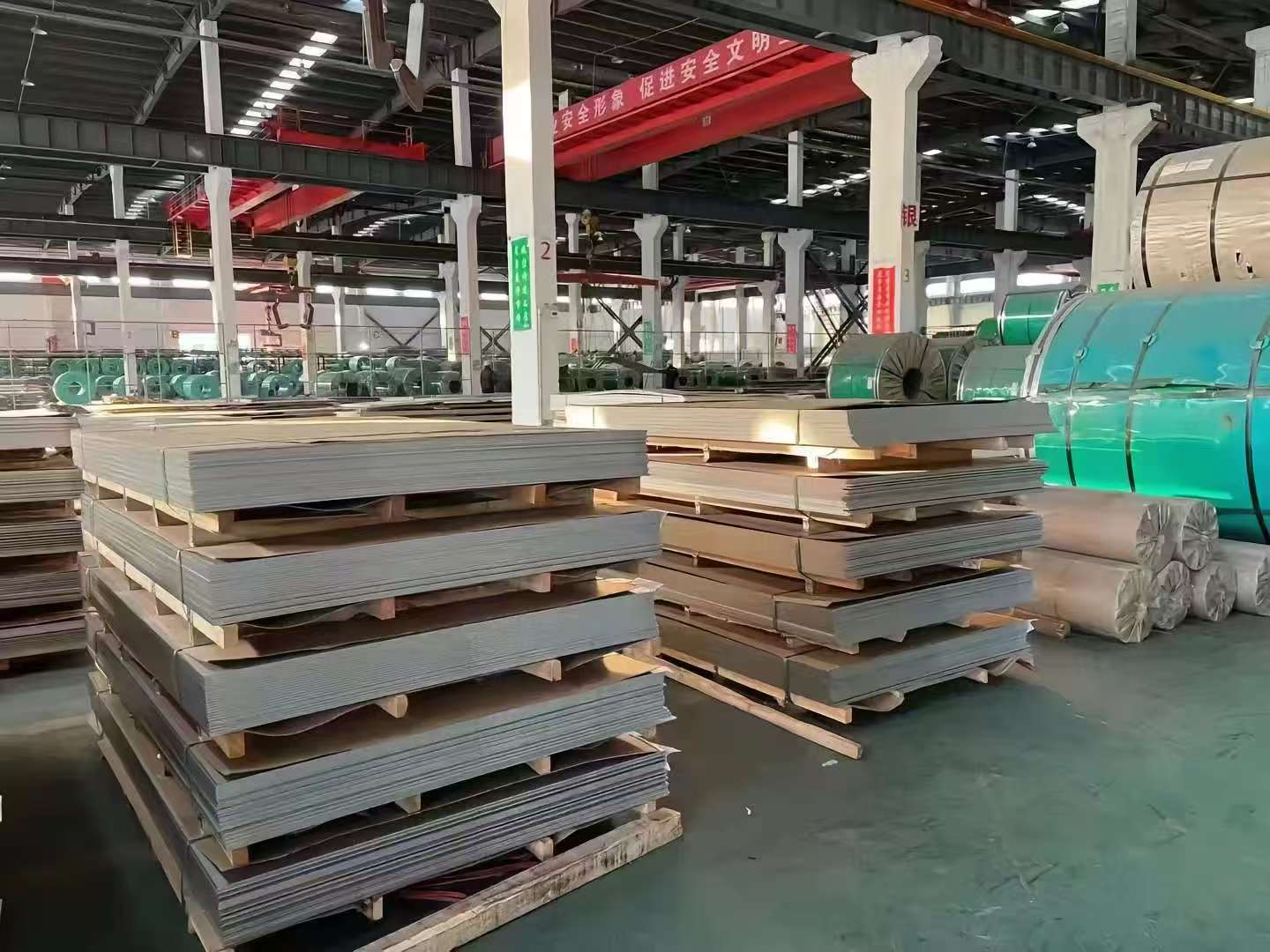
Duplex stainless steel plate is usually reviewed when 304 or 316L may not provide enough strength or chloride resistance for seawater, chemical, pressure equipment, desalination or high-chloride projects. FX Stainless Steel reviews 2205 duplex stainless steel plate, UNS S31803 / S32205 plate and 2507 super duplex plate by thickness, width, length, surface, ASTM A240 wording, MTC, heat number, testing scope and export packing requirement.
Common duplex paths
Plate standard review
Common 2205 UNS names
Document focus
Duplex plate is reviewed when seawater, salt spray, chloride-bearing process media or coastal service make 304 or 316L risky.
2205 and 2507 plate can offer a stronger strength and corrosion-resistance balance than common austenitic flat products.
ASTM A240, UNS number, MTC, heat number, labels and inspection requirements should be aligned before shipment.
Duplex stainless steel plate is commonly reviewed for equipment that needs both corrosion resistance and higher strength, including heat exchangers, tanks, pressure equipment, seawater systems, desalination plants, chemical equipment and offshore-related structures. 2205 duplex plate is the common starting point, while 2507 super duplex plate is reviewed for more severe chloride environments. Availability depends on grade, thickness, surface, cutting plan, testing scope and order quantity.
Heat exchangers, tanks, pressure equipment, seawater systems, chemical equipment and desalination projects.
Send grade, UNS number, standard, thickness, width, length, surface, quantity, destination and testing requirement.
Duplex plate should be reviewed by project requirement, not treated as a routine 304 plate substitute.
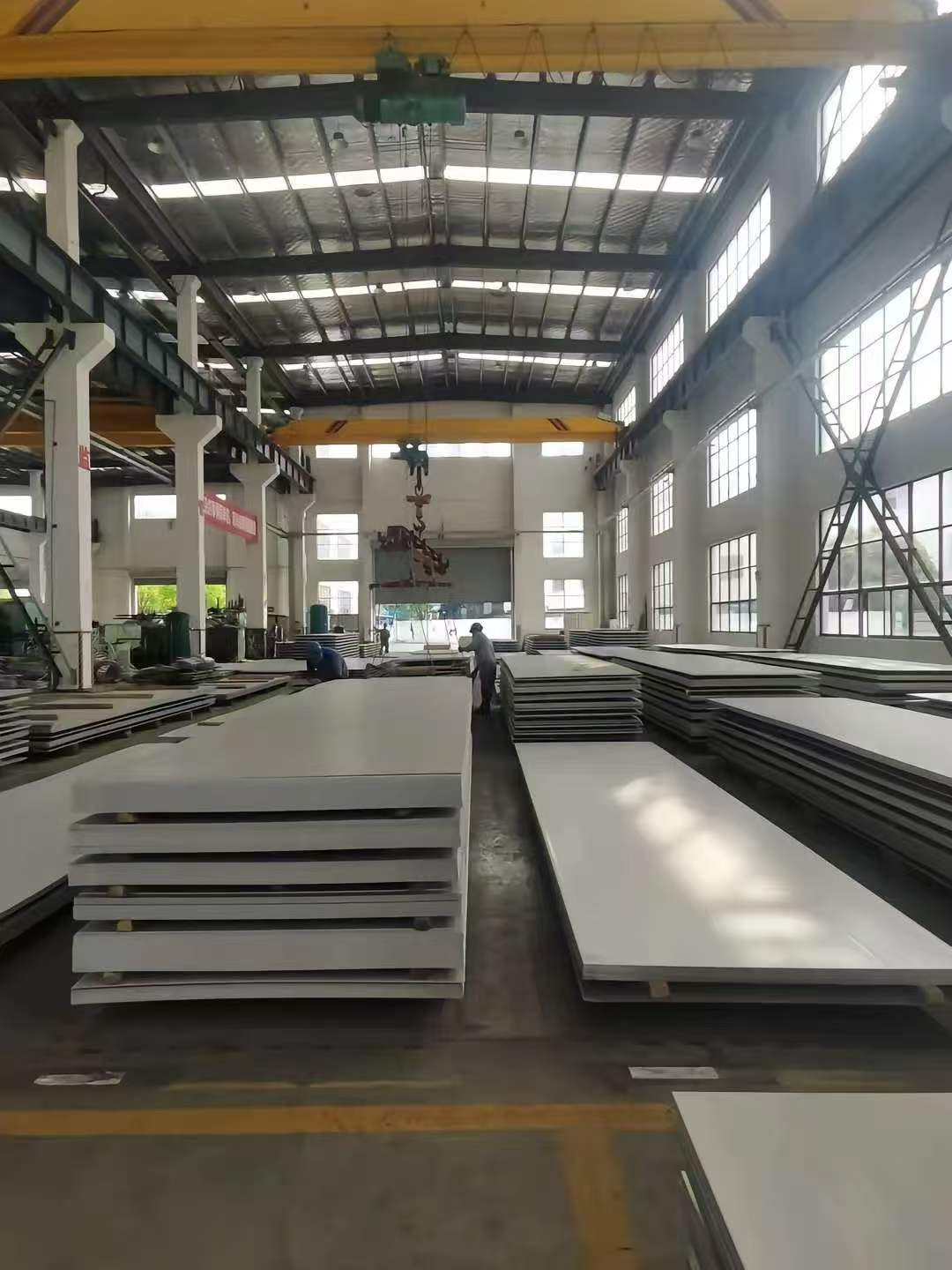
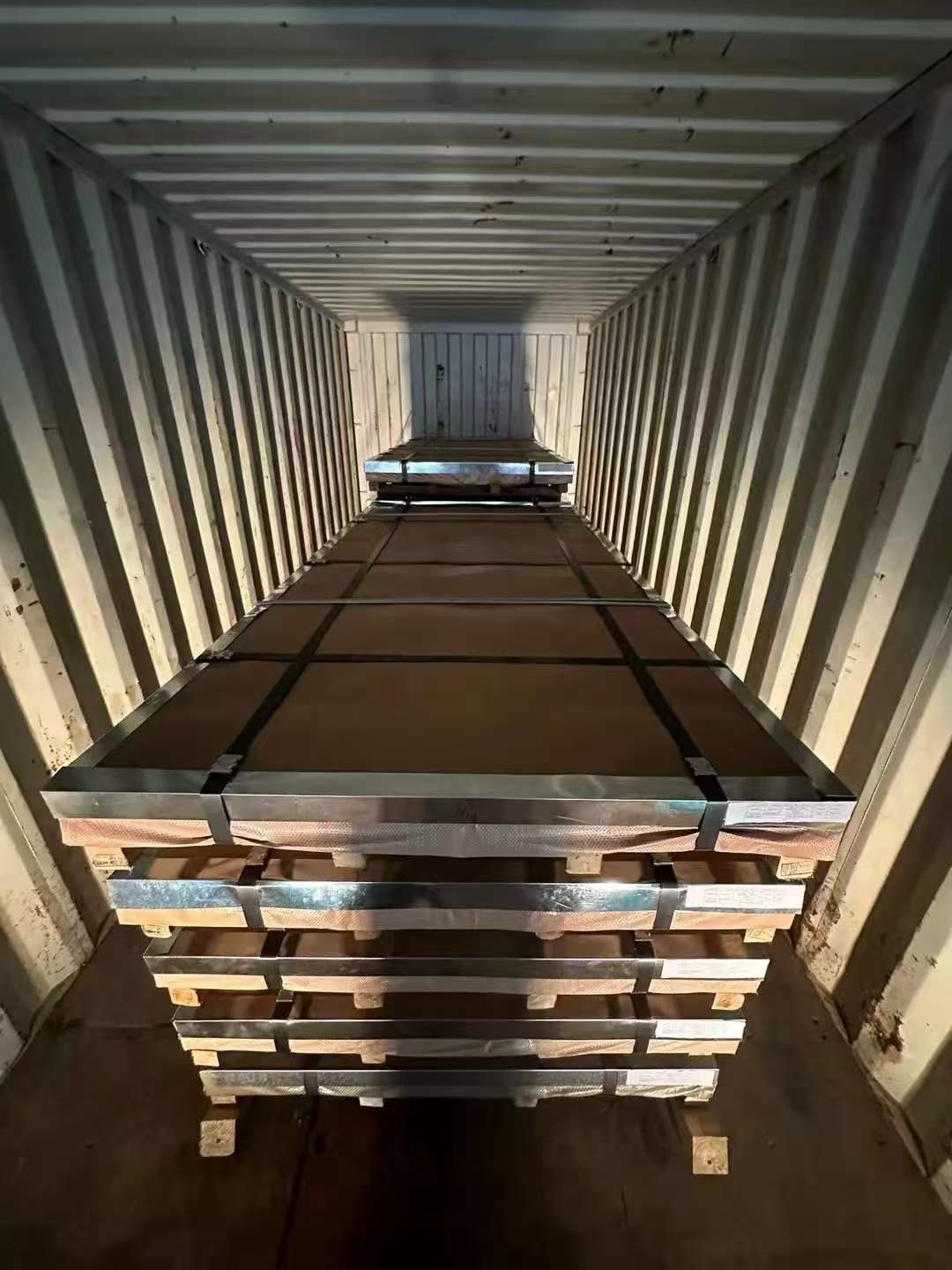
| Item | Common Review | Buyer Note |
|---|---|---|
| Grades | 2205 / UNS S31803 / UNS S32205 / 2507 / UNS S32750 | Confirm whether the project names 2205, S32205, S31803 or super duplex 2507 |
| Standards | ASTM A240 / EN 10088-2 / project specification review | Final plate wording should match drawing, PO, MTC and end-user requirement |
| Size | Thickness x width x length review | Send full dimensions and quantity before availability and cutting can be reviewed |
| Surface | No.1 / pickled / project surface review | Surface route affects inspection, fabrication and downstream corrosion performance |
| Documents | MTC / heat number / PMI / third-party inspection review | Useful for receiving inspection, import clearance and project approval |
Use the stainless steel plate weight calculator before sending thickness, width, length and quantity.
2205 duplex plate is often reviewed when equipment needs corrosion resistance, strength and formal document control.
Duplex and super duplex plate can be reviewed for chloride-bearing water, desalination plants and coastal infrastructure.
Duplex plate is used in selected chemical tanks, process equipment and welded fabrication where 304 or 316L may not be enough.
This table helps buyers describe the inquiry. Final grade selection should follow the engineering design, corrosion medium, temperature, fabrication route and project specification.
| Grade Path | Common Names | Typical Buyer Situation | Buyer Check |
|---|---|---|---|
| 2205 duplex plate | UNS S31803 / S32205 / EN 1.4462 | Heat exchangers, chemical equipment, seawater systems, tanks and general duplex flat-product projects | Confirm ASTM A240 wording, thickness, MTC, heat number, PMI and cutting requirement |
| 2507 super duplex plate | UNS S32750 / EN 1.4410 | Severe chloride, desalination, offshore and high-performance corrosion requirements | Confirm project testing, corrosion testing, third-party inspection and delivery path early |
| 316L alternative review | 316L vs 2205 by service condition | When chloride risk, strength requirement or design margin makes 316L less suitable | Do not substitute duplex without checking welding, design code and document requirements |
For duplex stainless steel plate, we keep the buyer's original grade and standard wording visible. Then we review UNS number, ASTM A240 or EN requirement, thickness, width, length, surface, cutting plan, MTC wording, heat number, labels, inspection requirement and export packing before confirming a workable supply route.
We compare grade, UNS number, standard and project wording against the drawing and purchase order.
We review thickness, surface, cut-to-size requirement, edge condition and packing expectation.
MTC, heat number, labels, packing list and inspection scope should be aligned before shipment.
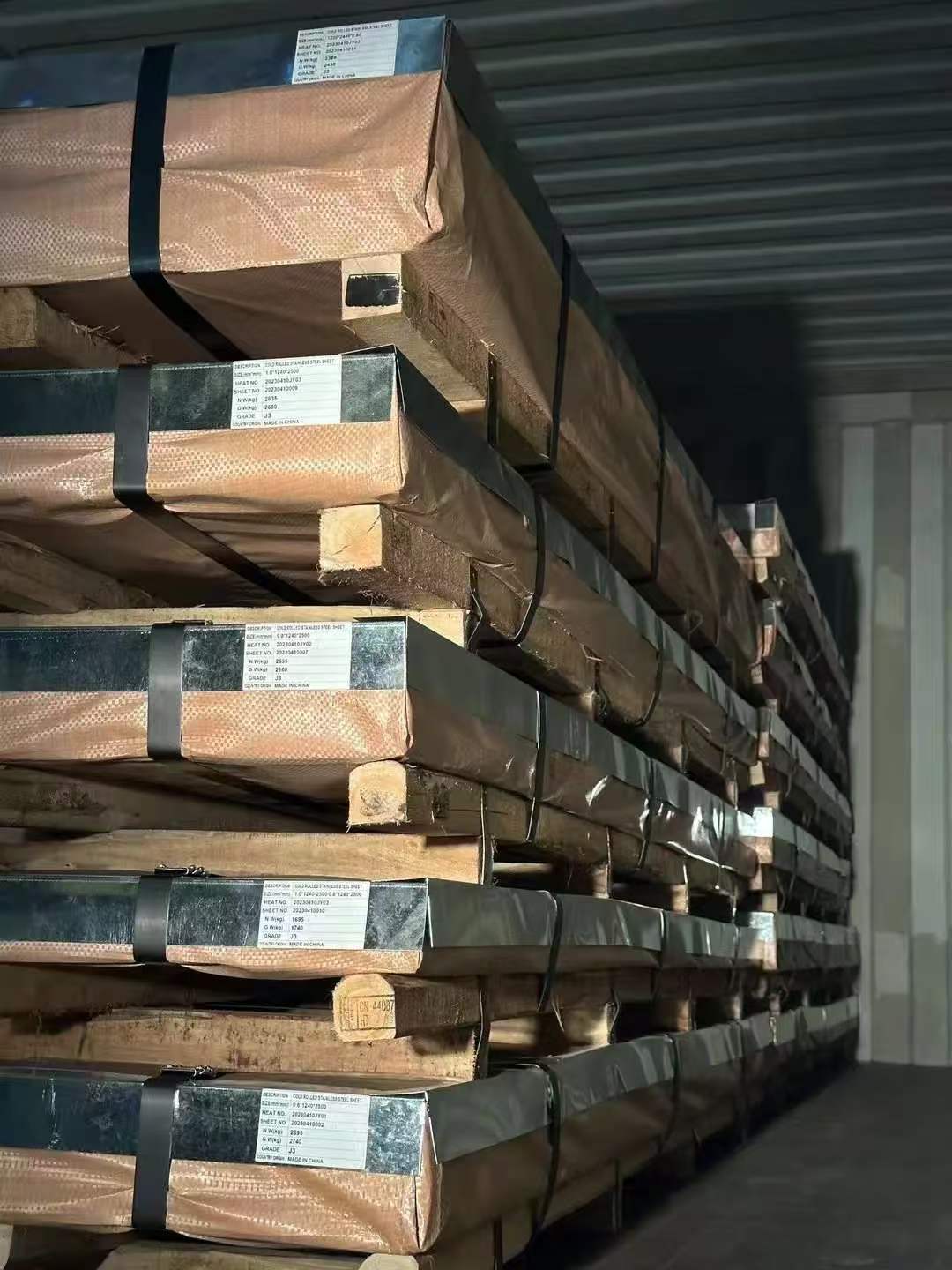
Review 316L, duplex, FFA corrosion, MTC and inspection checks for palm oil processing equipment.
Check when stainless steel welds, machined parts and fabricated items need pickling, passivation or post-weld treatment wording.
Review the broader plate product range, thickness, surface and processing support.
Review the common 304 plate path before moving to duplex requirements.
Review duplex bar supply for 2205, S32205 and 2507 round bar requirements.
Estimate theoretical plate weight by thickness, width, length and quantity before quotation.
Compare 2205 and 2507 duplex stainless steel for bar, plate, PREN, MTC and buyer sourcing checks.
Duplex stainless steel plate is a flat stainless steel product made from duplex grades such as 2205 or 2507. It is usually reviewed for stronger chloride resistance and higher strength than common 304 or 316L plate.
2205 is a common trade grade family. Buyers should confirm whether the order requires UNS S32205, UNS S31803, EN 1.4462 or another exact standard wording.
ASTM A240 is commonly used for stainless steel plate, sheet and strip. Some projects may also reference EN 10088-2 or their own project specification.
2507 super duplex plate is normally reviewed for more severe chloride, offshore, desalination or high-corrosion environments. It should be confirmed by engineering and project documents.
Send grade or UNS number, standard, thickness, width, length, surface, quantity, destination, MTC requirement and any PMI, third-party inspection or project testing requirement.
Share whether you need 2205, S31803, S32205, 2507 or S32750, plus thickness, width, length, surface, quantity, destination and document requirement.
Contact Sales Team