
Use 310S for heat and oxidation review
310S is commonly reviewed for heat-resistant parts, furnace fixtures, thermal equipment and oxidation-resistant service.
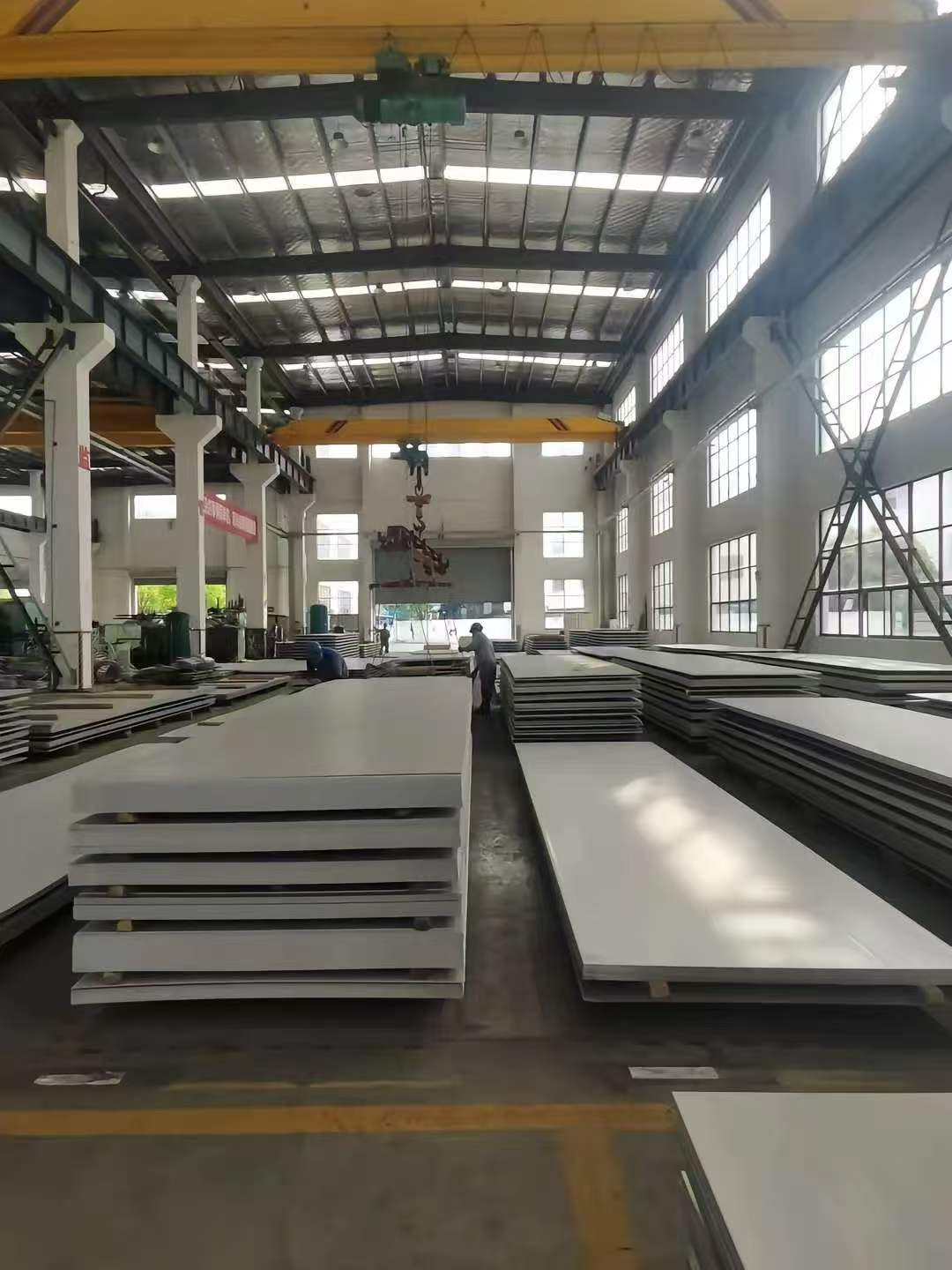
FX Stainless Steel helps buyers review 310S stainless steel plate and sheet for heat-resistant fabrication, furnace parts, heat treatment fixtures, burner components and ASTM A240 310S plate inquiries. Share size, surface, application and document wording before quotation.
Common grade names
Common plate standard
Surface options
Typical fit
Send thickness, surface, application and destination for a practical supply review.
310S is commonly reviewed for heat-resistant parts, furnace fixtures, thermal equipment and oxidation-resistant service.
Do not select 310S only because it is more expensive. Confirm the service duty, cycling pattern and fabrication method first.
Send grade wording, standard, thickness, width, length, quantity, heat service condition, MTC and destination for review.
These grades sit in the same heat-resistant family, but the carbon range changes how buyers should write the RFQ, PO and MTC requirement.
| Grade | Carbon | Best Fit | Buyer Note |
|---|---|---|---|
| 310 | Up to 0.25% | Non-welded, fully dry heat-service parts | Review only when the drawing or project wording specifically asks for 310 |
| 310S | Up to 0.08% | Welded structures, fabricated furnace parts and heat-treatment fixtures | Common low-carbon route for plate and sheet inquiries that need clearer welding and document control |
| 310H | 0.04-0.10% | Higher creep-strength review at elevated temperature | Usually checked for pressure, tube support or engineering-controlled high-temperature parts |
Final grade selection should follow the drawing, design code, operating condition and traceability requirement.
310S stainless steel plate is usually discussed when the part will face high temperature and oxidation. In clean oxidizing air, buyers often use continuous service around 1080°C and intermittent service up to about 1149°C as early discussion values, but real suitability depends on atmosphere, thermal cycling, fabrication and expected life.
Provide normal temperature, peak temperature and whether the part is exposed continuously or intermittently. Do not quote only the maximum furnace temperature.
Sulfur-bearing reducing atmospheres, carburizing environments and contaminated heat zones need separate review before 310S is treated as suitable.
Confirm cutting, bending, rolling, welding, holes, tolerances and whether the plate will be used as a fixture, liner or finished heat-service part.
| Item | Common Review | Buyer Note |
|---|---|---|
| Grade names | 310S / UNS S31008 / EN 1.4845 / SUS310S | Use the exact drawing or PO wording when MTC and labels must match |
| Standards | ASTM A240 / JIS G4304 / EN 10088 / GB/T review | ASTM A240 310S plate wording should be confirmed before shipment when required |
| Thickness | Hot rolled plate and selected cold rolled sheet review | Availability depends on thickness, size, surface, cutting plan and current material condition |
| Surface | No.1 / 2B / industrial finish review | No.1 is common for hot rolled plate; visible or thin sheet needs separate surface confirmation |
| Traceability | Heat number / labels / export packing | Important for project approval, import review and receiving inspection |
Check estimated plate or sheet weight by thickness, width, length and quantity before quotation.
310S plate is often reviewed for furnace liners, baffles, doors and high-temperature fabricated components.
310S can be reviewed for baskets, trays, supports and fixtures exposed to repeated heating cycles.
Buyers may review 310S sheet or plate for burner parts, ducts, covers and thermal equipment fabrication.
310S is considered where oxidation resistance at elevated temperature is the main reason for moving beyond common 304 or 316L.
Use this table to make a heat-resistant plate request easier to review. It is not a guarantee of fitness for service; final grade selection still depends on the actual operating condition.
| Inquiry Path | Typical Wording | Common Surface | Typical Use | Buyer Note |
|---|---|---|---|---|
| 310S stainless steel plate | Hot rolled plate, full plate or cut-to-size | No.1 / industrial finish | Furnace parts, fixtures, thermal equipment | Send service duty and fabrication details |
| 310S stainless steel sheet | Thin sheet or cut sheet | 2B / industrial finish review | Covers, ducts, light heat-resistant parts | Confirm flatness, surface and protective packing expectations |
| ASTM A240 310S plate | Formal ASTM order wording | As required by order | Projects needing clear document wording | Order, labels and packing list should use consistent project wording |
A workable inquiry can be written like this: ASTM A240 310S stainless steel plate, 8 mm x 1500 mm x 3000 mm, No.1 surface, 2 tons, furnace fixture parts, working temperature __, atmosphere __, MTC required, destination Turkey. This gives the supplier enough context to review both material and commercial feasibility.
State 310S, UNS S31008, EN 1.4845, SUS310S or the exact drawing requirement.
Send thickness, width, length, surface, cutting tolerance, holes, bending or welding requirement.
Add normal and peak operating values, exposure condition, cycling pattern, quantity, destination and inspection requirement.
Use these common ASTM A240 / UNS S31008 values as a sourcing reference. Final acceptance should follow the purchase order, applicable standard and MTC.
| Element | Common 310S Range | Buyer Check |
|---|---|---|
| Carbon (C) | Up to 0.08% | Low-carbon wording is one reason buyers specify 310S instead of standard 310 |
| Chromium (Cr) | 24.00-26.00% | High chromium supports oxidation-resistance review at elevated temperature |
| Nickel (Ni) | 19.00-22.00% | High nickel helps keep the austenitic structure stable in heat-service applications |
| Manganese (Mn) | Up to 2.00% | Check against the standard named in the PO and MTC |
| Silicon (Si) | Up to 1.50% | Important to verify when the buyer has strict project chemistry wording |
| Phosphorus (P) | Up to 0.045% | Confirm the actual heat value on the MTC |
| Sulfur (S) | Up to 0.030% | Confirm the actual heat value, especially for formed or welded parts |
If the project is around 800°C or below and the drawing allows it, 304H may be reviewed before moving to 310S.
If the project is around 900°C or below and stabilized stainless wording or corrosion review matters, 321 may deserve comparison.
For harsher heat, sulfur-bearing atmospheres or special furnace conditions, review 253MA or the project-specified heat-resistant alloy.
These are common review values for 310S stainless steel plate and sheet. Actual values depend on thickness, condition, standard route and the MTC.
| Property | Common Review Value | Buyer Note |
|---|---|---|
| Tensile strength | >= 515 MPa | Confirm the final value on the MTC for the ordered heat and thickness |
| Yield strength | >= 205 MPa | Useful when the plate will be formed, supported or used as a fixture |
| Elongation | >= 40% | Review when bending, rolling or formed parts are planned |
| Hardness | Up to about 217 HBW / 95 HRB | Check if machining, forming or receiving inspection has a hardness limit |
Mechanical properties do not replace service-condition and design review for heat-service performance.
Laser, plasma, waterjet and shearing can be reviewed by thickness, tolerance, edge expectation and quantity.
Bending, rolling and hole processing should be confirmed with the drawing, radius and final part use.
Tell the supplier if the plate will be welded, exposed to thermal cycling or used in a fabricated furnace assembly.
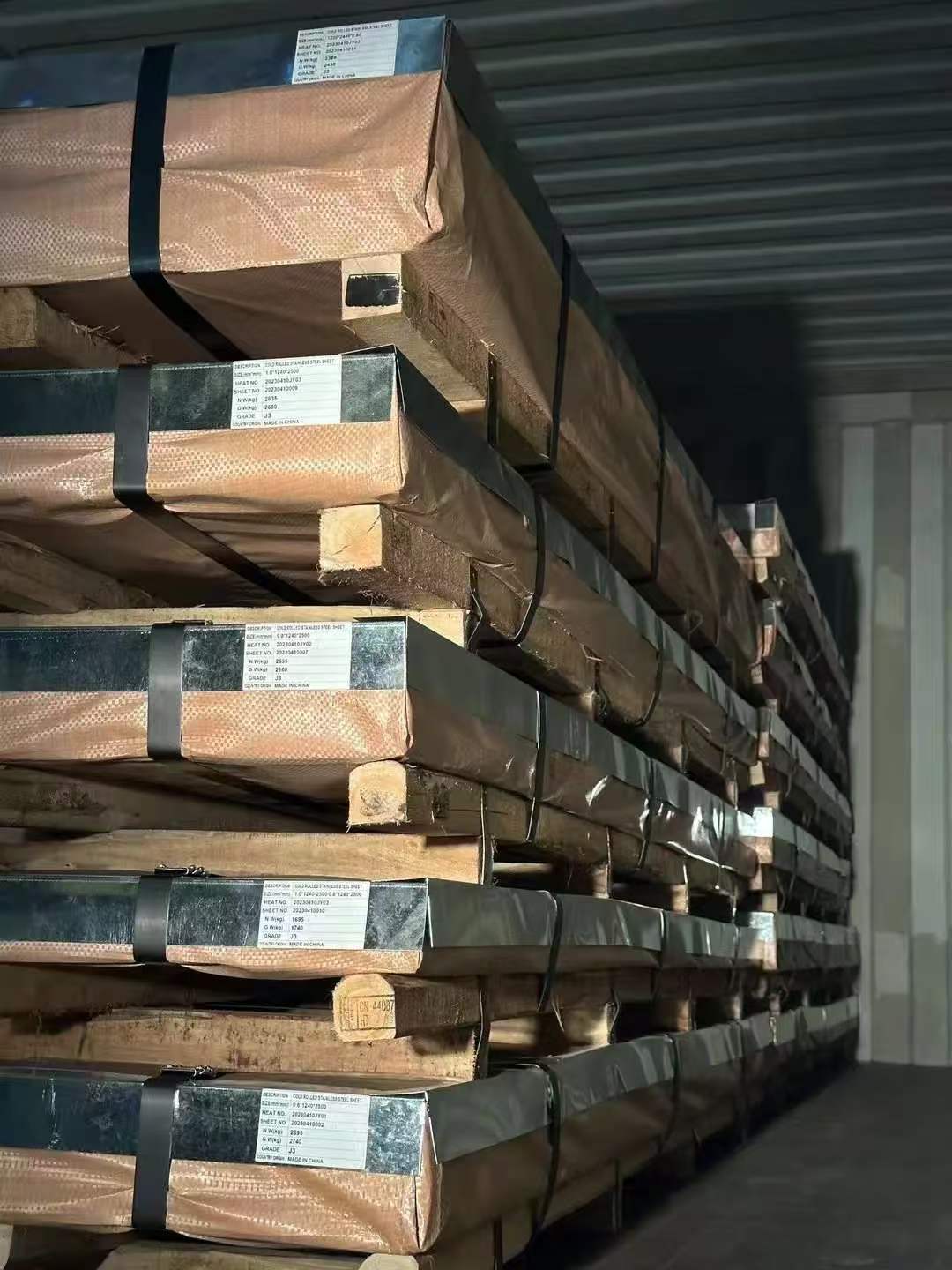
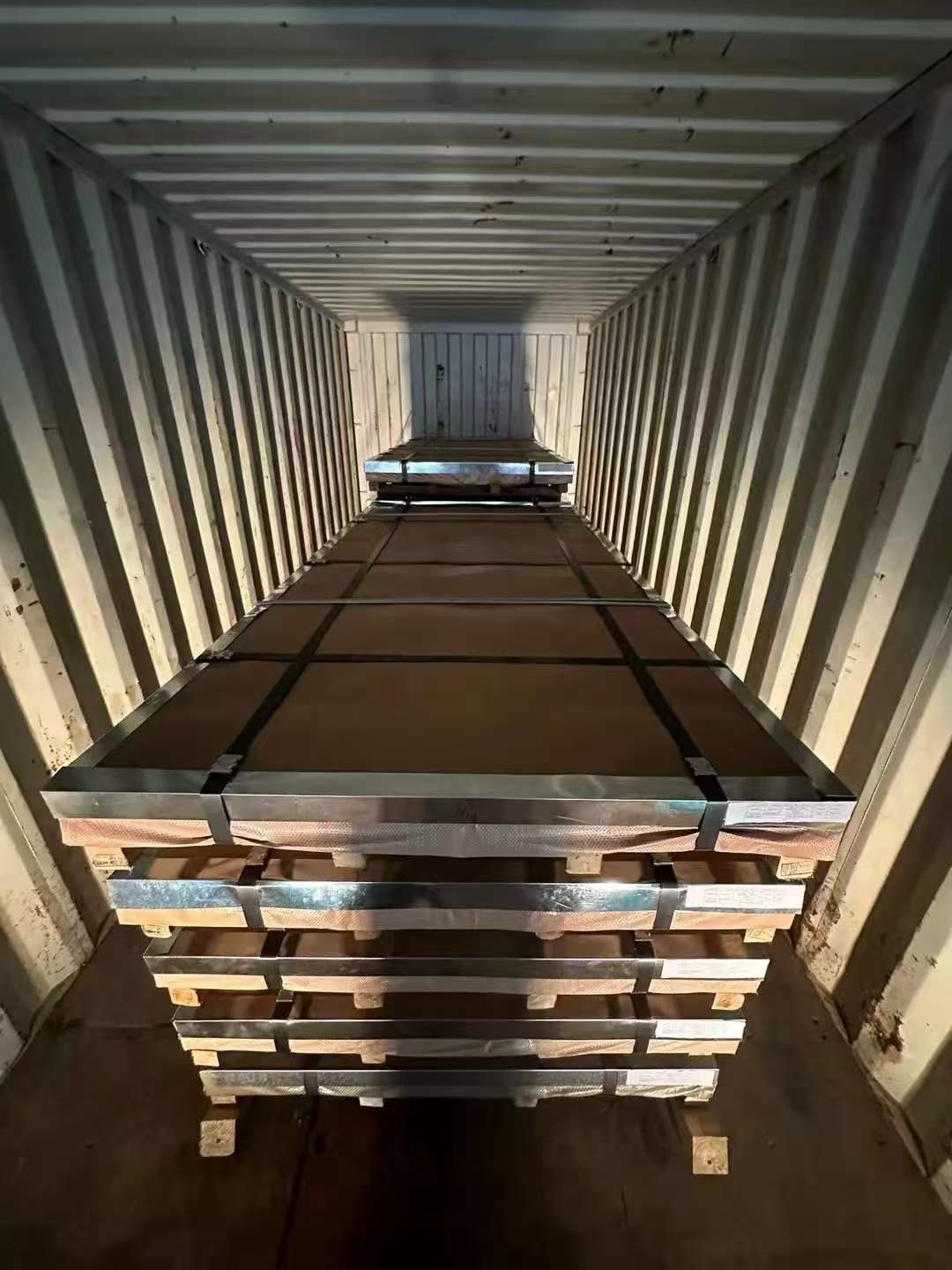
Confirm certificate, heat number, labels, packing list wording and export packing before shipment.
Review the broader plate product range, common grades, surface finishes and processing support.
Review 316L when corrosion resistance, not high-temperature oxidation, is the main requirement.
Review duplex plate when chloride exposure and strength are more important than heat resistance.
Estimate theoretical plate weight before sending dimensions and quantity.
See where 310S plate may be reviewed in EV battery thermal-processing and factory equipment projects.
Send grade, application notes, size, quantity, destination and inspection needs for review.
310S plate is commonly reviewed for furnace parts, heat treatment fixtures, thermal equipment, burner components and oxidation-resistant fabrication.
ASTM A240 is commonly used for stainless steel plate, sheet and strip. Other grade wording may include UNS S31008, EN 1.4845 and SUS310S.
No. Suitability depends on operating condition, thermal cycling, fabrication and expected service life. Buyers should provide service details before confirming the grade.
No.1 or industrial finish is common for hot rolled plate. Thin sheet or visible parts may require separate surface review.
Cut-to-size service can be reviewed based on thickness, width, length, quantity, cutting tolerance and packing requirement.
MTC support can be reviewed. Grade wording, heat number, labels and packing list should be aligned before shipment.
Share thickness, width, length, surface, processing requirement, application notes, quantity, destination and inspection requirement. We will review the practical 310S plate or sheet supply route before quotation.
Send 310S Plate Details