Stronger corrosion margin than 304
316L pipe is widely used when chloride exposure, coastal air, humid utility rooms, chemical cleaning or difficult maintenance locations make 304 too close to the limit.
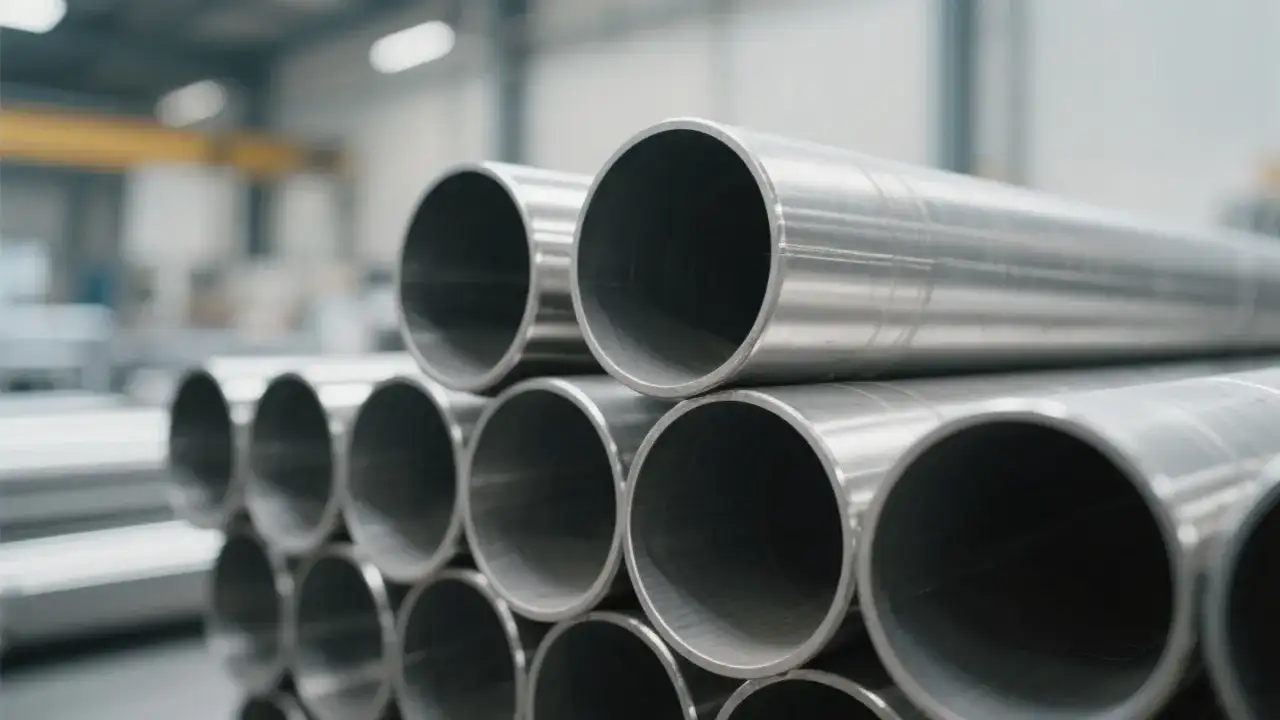
FX Stainless Steel is a China-based 316L stainless steel pipe supplier for welded and seamless pipe orders, from trial quantities to project shipments. Send ASTM A312 TP316L, SUS316L, EN 1.4404 or UNS S31603 wording with OD, wall thickness, schedule, end type, MTC/PMI needs and destination so we can confirm stock, production route and packing for Southeast Asia, Middle East and global buyers.
Common grade wording
Supply routes
Schedule examples
Documents and tests
316L pipe is widely used when chloride exposure, coastal air, humid utility rooms, chemical cleaning or difficult maintenance locations make 304 too close to the limit.
Confirm ASTM A312 TP316L, SUS316L, EN 1.4404, UNS S31603 or project wording before comparing welded and seamless pipe prices.
MTC, heat number, PMI, hydrostatic test, labels, end caps and export packing should be agreed before production or shipment.
316L stainless steel pipe is not a universal replacement for engineering judgement. It is a practical material route when the project specification or service environment calls for better pitting resistance than 304. Buyers should confirm water chemistry, chloride exposure, cleaning method, temperature, welding requirement and inspection documents before placing the order.
Coastal utility routes, humid mechanical rooms, water treatment, chemical handling, marine-adjacent projects and selected data center pipe packages.
Send grade, standard, pipe route, OD, wall thickness, schedule, length, end type, surface condition, test requirement and destination.
Do not upgrade by habit. Confirm whether 316L is required by specification, site exposure, water chemistry or consultant wording.
| Item | Common Wording | Buyer Note |
|---|---|---|
| Grade names | 316L / TP316L / SUS316L / EN 1.4404 / UNS S31603 | Keep drawing, PO, MTC, labels and import documents aligned when grade wording matters |
| Standards | ASTM A312 / ASTM A269 / ASTM A554 / JIS / EN | ASTM A312 TP316L is common for process pipe; tube, structural or decorative routes may use different standards |
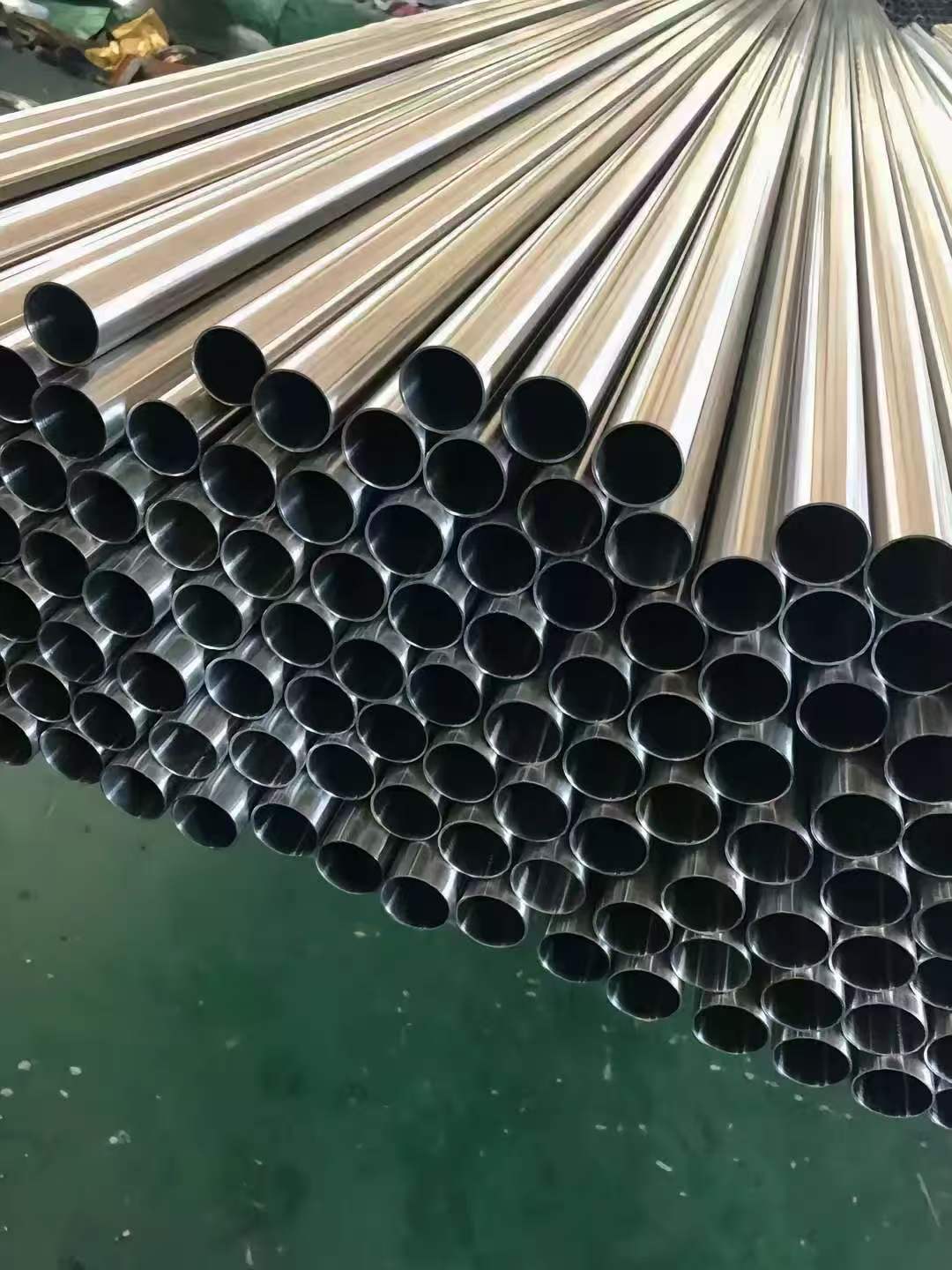
| Pipe route | Seamless / welded / ornamental tube | Do not compare welded and seamless pipe without confirming application, pressure class and inspection scope |
| Size wording | OD, wall thickness, DN, NB or schedule | SCH10S, SCH40S and SCH80S should be written exactly when project documents require schedule wording |
| Surface and ends | Annealed & pickled, pickled & passivated, polished, plain end, beveled end or threaded end | Surface and end preparation affect welding, cleanliness, site handling and receiving inspection |
| Documents | MTC, heat number, PMI, hydrostatic test, NDT or third-party inspection if required | Document level should be agreed before order confirmation, not after shipment is ready |
Use the pipe weight calculator when you need a quick theoretical weight check from OD, wall thickness, length and quantity.
316L pipe is often used where coastal air, humid plant rooms or chloride exposure make corrosion margin more important than the lowest initial material cost.
For data center mechanical rooms, rooftop routes or selected utility lines, 316L may be specified when site exposure or project wording requires stronger corrosion resistance.
316L pipe is a common option for water treatment, mild chemical handling and process systems where molybdenum and low-carbon wording matter.
For marine air or port-side fabrication work, buyers should compare 316L with 304 and duplex options according to chloride level, design life and budget.
The low-carbon 316L route is often specified when welding, fabrication control or project specifications require lower carbon content.
316L pipe can be coordinated with 304 pipe, plate, coil or bar shipments when labels, heat numbers and container loading are planned early.
This table connects common 316L pipe wording with the right supply route. Availability depends on size range, schedule, standard, surface condition, test scope and quantity.
| Inquiry Path | Typical Wording | Common Use | Buyer Note |
|---|---|---|---|
| ASTM A312 TP316L pipe | Process pipe by OD, wall thickness or schedule | Utility lines, process piping, corrosion-focused projects | Confirm welded or seamless route and MTC wording |
| 316L seamless stainless steel pipe | Cold drawn or hot finished seamless pipe | Higher-pressure applications, process piping, inspection-heavy orders | Confirm OD, WT, schedule, testing and length |
| 316L welded stainless steel pipe | Welded pipe or tube by size and standard | General process lines, structural tube, low-pressure utility routes | Confirm weld treatment, surface condition and application standard |
| SUS316L stainless steel pipe | JIS grade wording for Japan-related or Southeast Asia drawings | Equipment, fabrication, water lines and regional project orders | Confirm whether SUS316L must appear on labels and documents |
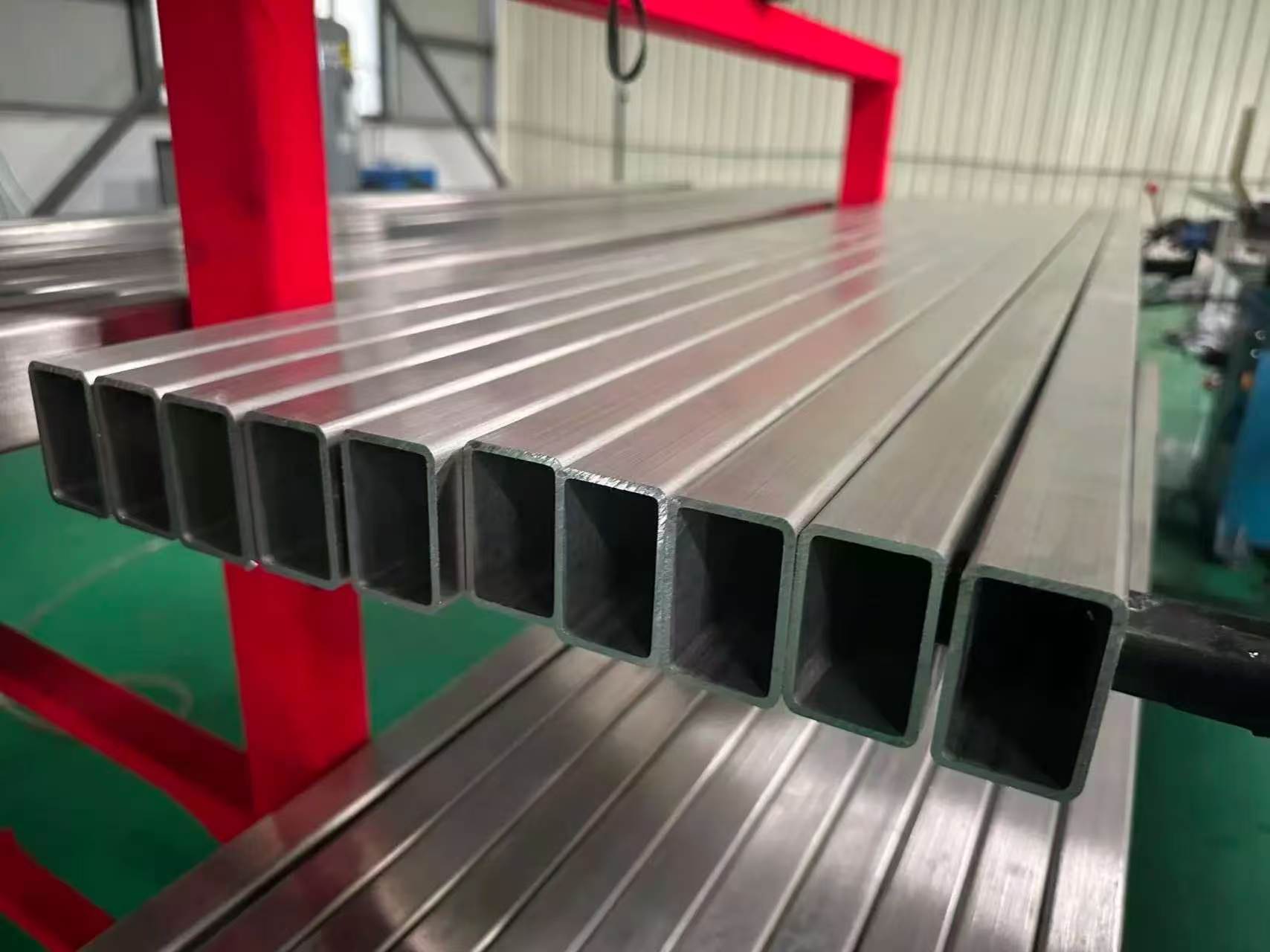
| 316L polished stainless steel tube | Round, square or rectangular tube with polished surface | Visible supports, railings, frames and equipment assemblies | Confirm grit, surface expectation, film and packing |
316L contains molybdenum and is commonly selected for better pitting resistance than 304 in chloride-bearing environments. Real performance still depends on water chemistry, temperature, welding quality, surface condition, cleaning method, crevice design and maintenance. FX Stainless Steel can support material and document scope; the project engineer should confirm service suitability.
Consider 316L when the pipe may face salt air, rooftop exposure, humid utility rooms or harder-to-replace service locations.
Confirm medium, temperature, pressure class, cleaning method, test requirement and accepted standard before quotation.
Agree MTC, heat number, PMI, hydrostatic test, labels and packing list format before shipment.
For corrosion-focused pipe orders, the paperwork should support receiving inspection and downstream traceability. Confirm document expectations before order confirmation.
| Check Item | Key Items | Why It Matters |
|---|---|---|
| Grade wording | 316L / TP316L / SUS316L / EN 1.4404 / UNS S31603 | A mismatch here can delay receiving inspection or import document checks |
| Chemistry | C, Cr, Ni, Mo and other listed elements | Molybdenum and low carbon values are the main grade checks for 316L |
| Heat number | Heat number on pipe labels and MTC | Needed when a batch must be traced after receiving or fabrication |
| Dimensions | OD, wall thickness, schedule and length | Most pipe disputes start with OD, wall thickness, schedule or length differences |
| Inspection support | Dimension check, surface check, PMI, hydrostatic test or NDT if required | Photos and test records create a clearer basis before loading |
| Document level | EN 10204 3.1 or 3.2 if required by project | Agree this before order confirmation, not after production |
For project pipe shipments, receiving problems often come from bent ends, missing caps, rubbed surfaces, unclear labels or mixed heat numbers. Confirm packing together with pipe length, bundle size, moisture protection and container loading plan.
Use bundle marks, steel straps, waterproof wrapping and clear labels for size, grade, heat number and order reference.
Protective end caps, plain ends, beveled ends, threaded ends or grooved ends should match the order and fabrication plan.
When 316L pipe ships with plate, coil or bar, loading sequence and labels should be arranged before release.
Check when stainless steel welds, machined parts and fabricated items need pickling, passivation or post-weld treatment wording.
Compare the 304 pipe route when the application is indoor, controlled or less chloride-sensitive.
See the broader pipe product range, welded and seamless options, standards, inspection support and export delivery.
Estimate theoretical pipe weight before sending OD, wall thickness, length and quantity for quotation.
See stainless steel pipe and tube decisions for data center cooling, fire protection and structural support.
Read the buyer guide for pipe forms, standards, MTC, packing and Southeast Asia sourcing checks.
Send pipe type, OD, wall thickness, schedule, length, end type, MTC requirement and destination for quotation.
316L stainless steel pipe is used for coastal, humid, chloride-risk, water treatment, chemical, marine-adjacent and selected project utility applications where 304 may not provide enough corrosion margin.
316L is the low-carbon version of 316. It is often specified when welding, fabrication control, MTC wording or project specifications require lower carbon content.
They are related 316L stainless grade wordings, but they belong to different standard systems. ASTM A312 TP316L is common for austenitic stainless pipe orders. SUS316L is JIS wording. Keep the drawing, PO, MTC and labels aligned with the required standard.
Yes. We supply 316L pipe orders with MTC. PMI, hydrostatic test, NDT or third-party inspection should be confirmed before order confirmation because they affect cost, lead time and shipment release.
It depends on service environment and specification. 304 may be practical for many indoor or controlled conditions. 316L is worth considering when chloride exposure, coastal air, chemical cleaning, humid utility rooms or hard-to-replace routes increase corrosion concern.
Share whether you need ASTM A312 TP316L, SUS316L, EN 1.4404 or UNS S31603, plus welded or seamless route, OD, wall thickness, schedule, length, end type, quantity, destination and MTC or PMI requirement. We will check stock availability, production route, testing scope and export packing.
Contact Sales Team