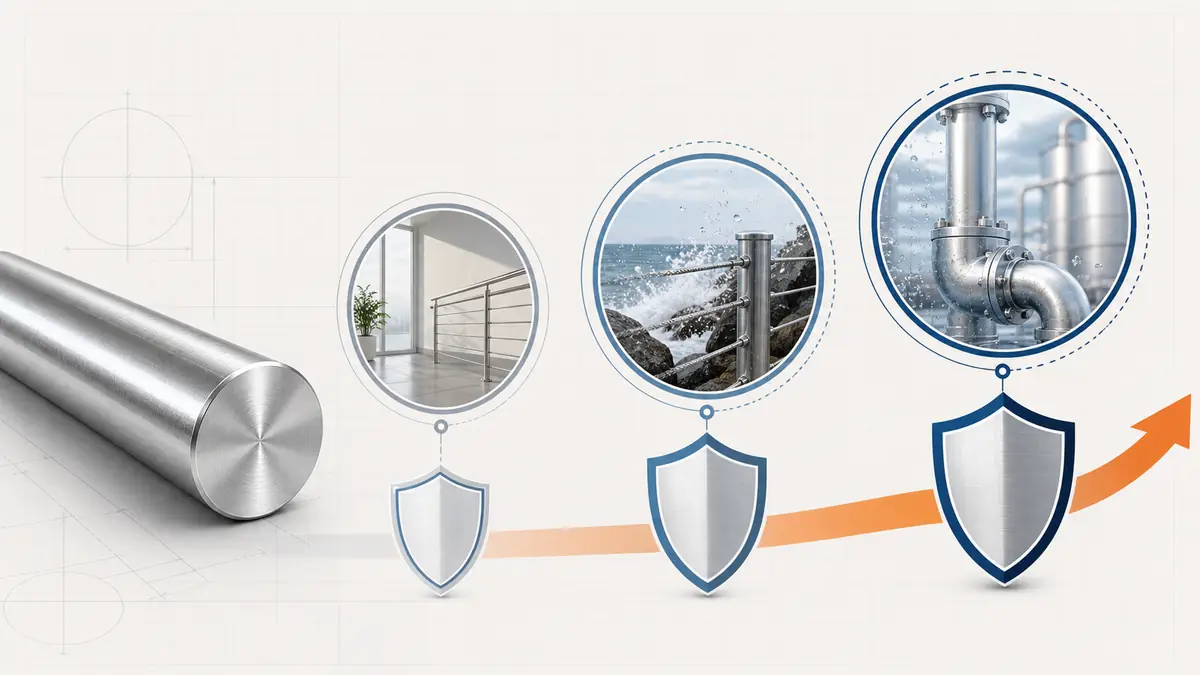
Choose it for corrosion-sensitive parts
316L round bar is reviewed when chloride, marine air or chemical exposure is the main material risk.
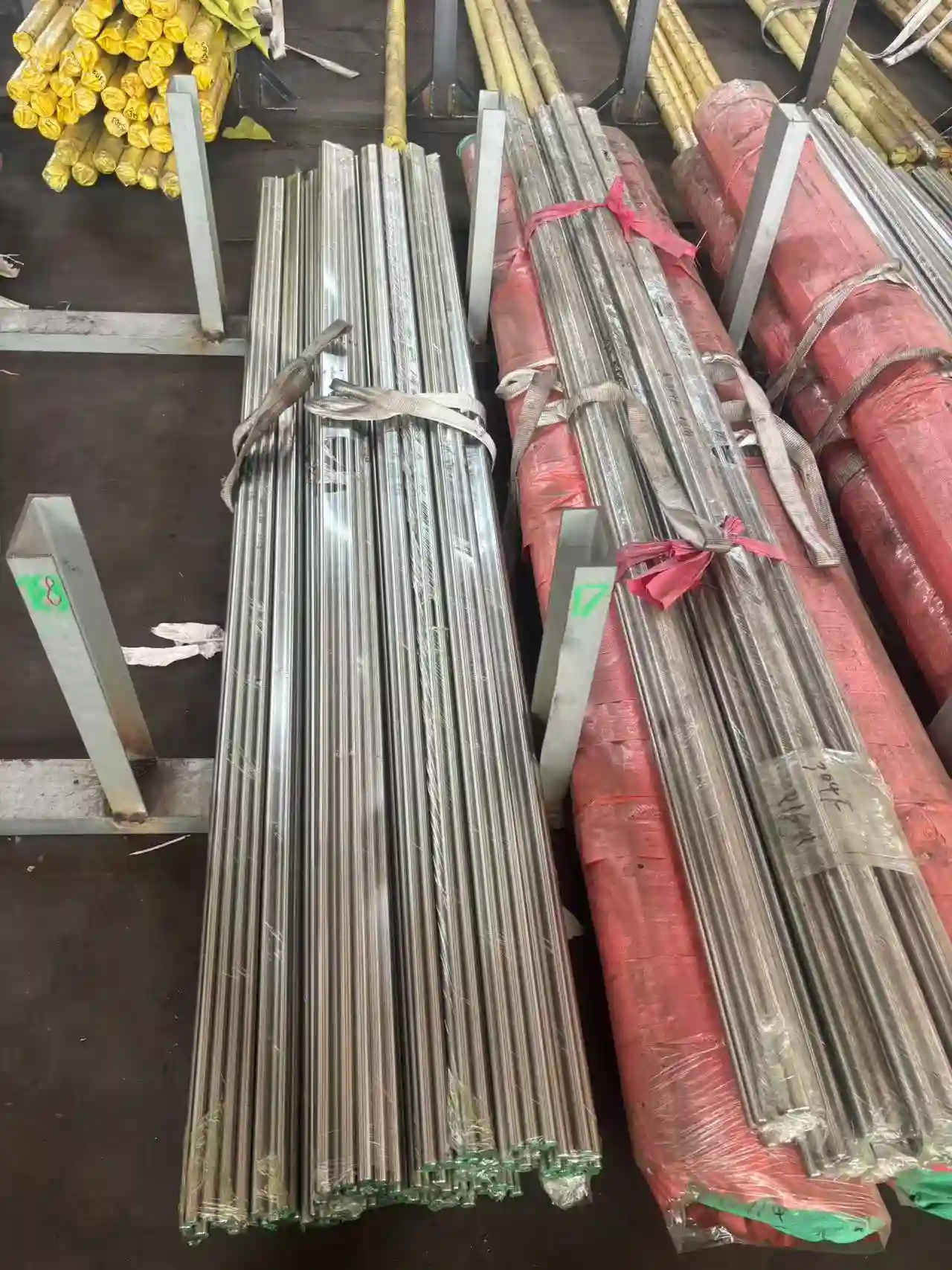
316L stainless steel round bar is reviewed when buyers need a lower-carbon, molybdenum-bearing route for marine, chloride or chemical-service parts. FX Stainless Steel supports 316L round bar inquiries by diameter, finish, MTC wording, Mo review and project delivery needs.
Low-carbon grade
Corrosion path
Best-fit use
Document review
316L round bar is reviewed when chloride, marine air or chemical exposure is the main material risk.
The lower-carbon route is often requested for welding review or project specification.
Molybdenum, MTC wording and project standard alignment should be checked before release.
| Item | Common Review | Buyer Note |
|---|---|---|
| Grade | 316L / SUS316L | Low-carbon molybdenum-bearing grade |
| Standards | ASTM A276 / ASTM A479 / ASME SA479 / JIS G4303 review | Choose wording by drawing and project requirement |
| Diameter | 3 - 200 mm routine review | Availability depends on stock, finish and MTC needs |
| Finish | Cold drawn / polished / centerless ground | Finish affects tolerance, surface and corrosion-facing applications |
| Support | MTC / heat number / PMI discussion / export packing | Useful for marine and project buyers |
Useful where salt air, chloride exposure or coastal service raises the corrosion requirement.
A stronger option when media exposure matters more than the lowest initial material cost.
Often reviewed when buyers need low carbon, formal MTC wording and more traceability.
316L is the low-carbon route within the same corrosion-focused family.
| Decision Point | 316 Round Bar | 316L Round Bar |
|---|---|---|
| Main difference | Standard carbon range | Lower-carbon version |
| Corrosion path | Mo-bearing grade | Same Mo-bearing path |
| Best-fit review | Marine and chemical parts | Welded or specification-sensitive projects |
| Buyer check | Mo content and standard wording | Mo content, carbon route and MTC wording |
Buyers often use different standard language depending on end use and project documentation.
| Buyer Wording | Typical Context | Buyer Note |
|---|---|---|
| ASTM A276 316L round bar | General stainless bar sourcing | Common baseline wording |
| ASTM A479 / ASME SA479 316L round bar | Pressure-related or valve review | Confirm when the drawing requires it |
| SUS316L round bar | JIS-based procurement language | Common in Japan-related supply chains |
Corrosion-focused buyers usually need more than just a grade name before approving a quote.
| Check Point | What to Review | Why It Matters |
|---|---|---|
| Mo content | Confirm the molybdenum-bearing grade route | Supports the corrosion-resistance decision |
| Carbon route | Confirm 316L when low carbon is required | Important for specification alignment |
| MTC and heat number | Match certificate data to the shipment batch | Supports traceability |
| Finish and packing | Review polished, ground or export packing needs | Helps protect higher-value project stock |
316L buyers usually need stronger agreement between the grade path, project wording and traceability documents.
| Reference | Why Buyers See It | Practical Check |
|---|---|---|
| ASTM A276 | General stainless steel bar and shape reference | Use it for routine stainless bar sourcing language |
| ASTM A479 / ASME SA479 | Common in pressure-related or specification-driven reviews | Confirm only when the drawing or project documents require it |
| MTC / heat number / PMI discussion | Traceability and grade-confirmation support | Match Mo content, carbon route and batch identity before release |
Reference note: 316L is best approved against the real service condition, order standard and current certificate package together.
316L round bar is usually justified by service conditions, document requirements and corrosion margin rather than by price alone.
Marine shafts, coastal fittings, chemical parts and project-grade components.
Use 304 when the environment is less aggressive and the project does not need the 316L upgrade.
Send use environment, grade wording, diameter, finish, quantity and destination.
Move to 304/304L when the project is more general-purpose and does not need the 316L corrosion upgrade.
Move to 303 when machining efficiency matters more than chloride resistance.
Return to the general round bar hub for multi-grade and finish comparison.
Review the broader 316/316L bar page for chemistry, equivalent grades and non-round shapes.
Compare when the 316 route becomes more practical than 304 in chloride exposure.
Review welding, sensitization and project-standard logic before choosing 316L.
Check when standard wording matters for 316L bar and pressure-related review.
It is commonly used for marine shafts, coastal fittings, chemical equipment parts and project components that need stronger chloride resistance.
316L is usually reviewed when chloride, salt air or chemical exposure justifies the molybdenum-bearing corrosion upgrade.
316L is the lower-carbon version of 316 and is often requested when welding or project specifications require lower carbon content.
Yes. MTC, heat number, export packing and PMI or XRF discussion can be reviewed when required by the project.
Share diameter, finish, quantity, destination and use environment. We will review the corrosion-focused 316L round bar path for your project.
Contact Sales Team